
London: The Pitch to Close Deals
London is the most paradoxical destination in Europe to sell well. It is the easiest sale in the world (every client already knows they want to go) and the hardest sale to extract real commission from (most agents accept the client's first instinct of three nights, hand them the Heathrow Express ticket, and lose the next four nights of revenue without ever pushing back). The client thinks they have already decided. The agent's job is to show them they have not.
This guide is about doing it properly.
Before You Pitch: The Discovery Questions
Never pitch London before you know which London you are pitching. The city is sold seven different ways to seven different clients, and the wrong angle will lose the booking even when the destination is obvious.
Ask these seven questions before you say anything else
- Have they been to London before, and what did they do?
London-as-first-visit and London-as-return-visit are completely different sales. The first wants the icons (Big Ben, Tower, Buckingham Palace, Westminster). The second wants the city the icons hide. - Are they cruising, land-touring, or both?
Almost every Canadian and American cruise that originates in Southampton means London is the gateway. The question is whether the agent extracts the pre-cruise nights they deserve. - How long are they planning?
This is the single most important number in the conversation. Two nights is a stopover. Three is a tease. Four to five is the sweet spot. A week is when London opens up. Ten nights is when London becomes a base. - What do they actually like?
Theatre, food, history, museums, royal, shopping, design, literature, music. London does all of them at world level. The pitch needs to anchor on theirs. - Do they have children?
London with children is one of the great trips on earth, but it requires different planning (free museum-heavy, hotel near South Kensington or Bloomsbury, theatre choices that work for the family). - What is their budget honesty?
London is genuinely expensive at the top and genuinely affordable at the bottom, with not much middle. Find out which they are before pitching hotels. - Are they considering Paris too?
If yes, the answer is not "choose one." The answer is the Eurostar.
These seven questions take four minutes. They are the difference between a stopover sale and a real London trip.
The Seven Clients Who Buy London
Almost every London booking maps to one of seven client profiles. Identify the profile first, and the pitch writes itself. London has more profiles than Edinburgh or Dublin because it does more things well.
The First-Time European Client
The largest single buyer profile. Usually 40+, has never been to Europe (or has not been since university), considers London the natural gateway because of language and familiarity. May be slightly nervous about the trip.
What they want: A foothold. They want the iconic Europe experience in a city that does not require a phrasebook.
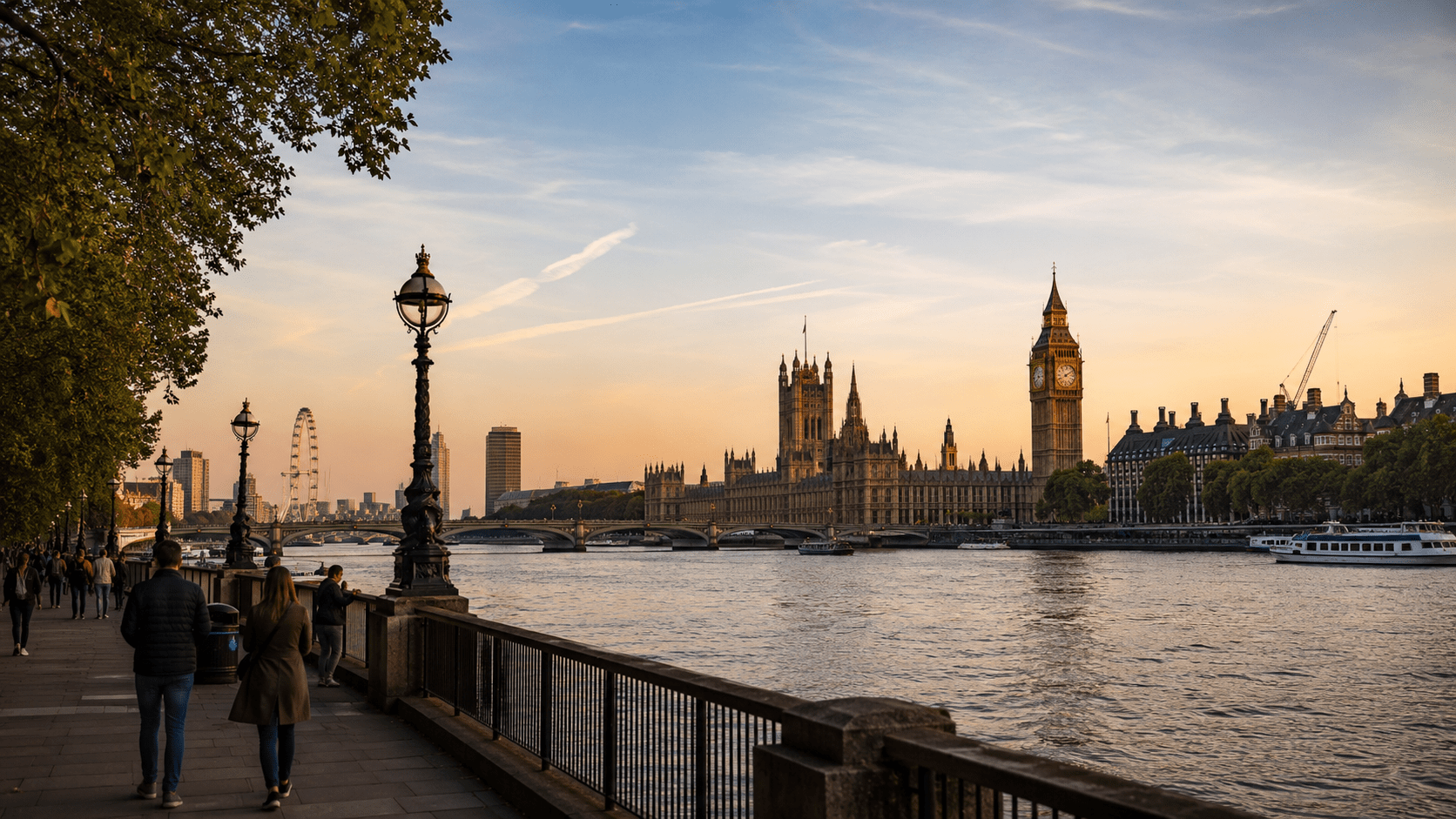
The pitch: London is the easiest first European trip on earth. Your clients already speak the language, the major museums are entirely free, the city is safe, and the transport system is the best in Europe once they understand it. They will see Westminster, the Tower, Buckingham Palace, and the National Gallery in the first four days. Then they will start to see the actual city: Borough Market on Saturday morning, the South Bank at golden hour, a West End play in the evening, Sunday in Notting Hill. Five days is the minimum that lets them experience both versions. Less than that and they leave with the postcards but not the city."
The upsell: Add a day trip (Oxford, Bath, or Windsor depending on interest) and a fifth or sixth night. Or extend to Paris by Eurostar for a two-capital trip.
Common objection: "Is three days enough?" See objection handling below.
The Repeat London Client
Has been before, often more than once. May say "I have already done London" as if that closes the conversation. They are wrong, and the agent's job is to show them so without making them feel foolish.
What they want: The city the first trip did not show them. They want to be treated as someone who has earned the locals' London.
The pitch: What you saw on your first trip was the headline London: the icons, the photo stops, the things every guidebook puts on the cover. The real London starts on the second visit. Borough Market on a Saturday morning at 9am, before the tour groups arrive. The Wallace Collection (one of the great small galleries in the world, almost always empty). A Sunday afternoon walking the Regent's Canal from Camden to Little Venice. Dinner in Bermondsey under the railway arches. Choral evensong at Westminster Abbey at 5pm on a Wednesday, free, with one of the best choirs in the country. London on the second visit is a different city. It rewards the patience of clients who already know the basics."
The upsell: The hotel upgrade matters here. First-time clients are happy with a good Bloomsbury hotel. Repeat clients want something specific: Marylebone for the village feel, Bermondsey for food access, Shoreditch for design, Mayfair for the full experience. Match the neighbourhood to their interests, not the postcode.
Agent note: This is the most loyal Long-term client profile in the entire industry. Repeat London clients tend to keep coming back every two to three years for the rest of their lives. Invest in the relationship.
The Cruise Add-On Client (Southampton)
Booking a cruise that embarks or disembarks at Southampton. The cruise is already sold. The question is whether to add nights in London, and how many.
What they want: To not waste the trip. Most North American clients know on some level that flying into Heathrow and going straight to Southampton is a mistake, but they have not had anyone tell them so directly.
The pitch: Flying seven hours from North America and going straight to a cruise ship the same day is the single most common mistake in international cruise travel. Your clients arrive jet-lagged, their luggage may not have arrived with them, and if the flight is delayed they miss the ship entirely.
The fix is non-negotiable: two nights minimum in London before the cruise. Three is better. Four if they have never been. They land at Heathrow, take the Elizabeth line to a central hotel, sleep, see Westminster and the South Bank, eat properly, and board the ship rested. The pre-cruise stay is not an upsell. It is risk management.
The upsell: Two to three nights pre-cruise minimum. For first-time London clients on a cruise, four to five nights. For repeat London clients, two nights pre-cruise and three nights post-cruise (the post-cruise stay catches them when the ship arrives back tired but the city does not require effort to enjoy).
Agent note: This is the single highest-yield London sale per hour of advisor work. The cruise commission already exists. The London nights are pure additive revenue at almost zero additional booking effort. Push hard.
The Theatre and Arts Client
Usually 40+, urban, may live in New York, Toronto, or another theatre city. Comes to London specifically for the West End and the National Theatre. May time the trip around a specific production.
What they want: The best shows in the best seats, sequenced properly across the trip, with the right dinner reservations between curtain times.
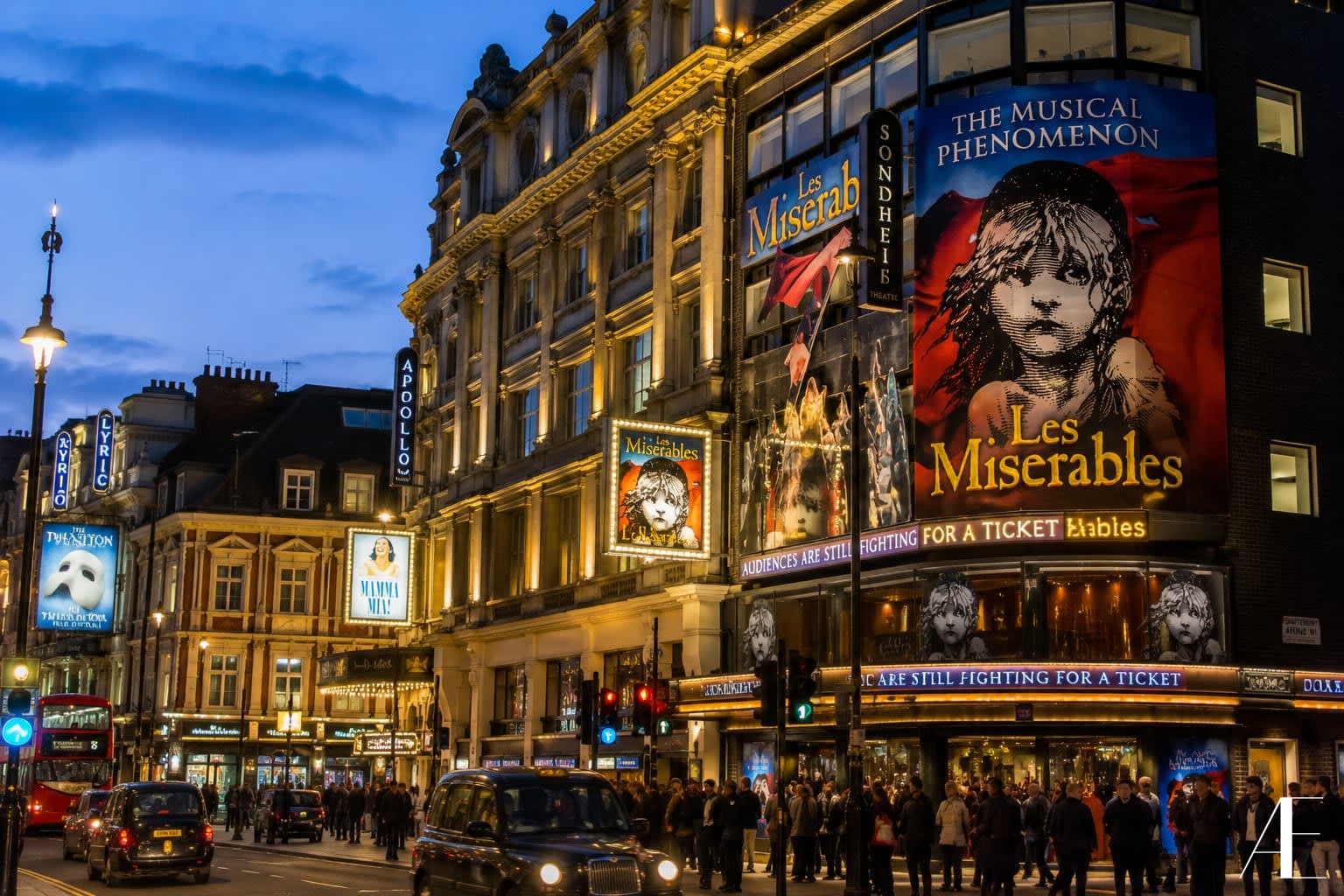
The pitch: London is the theatrical capital of the English-speaking world. The West End has over forty productions running on any given evening, the National Theatre is the finest producing company in the language, and the smaller spaces (the Royal Court, the Donmar, the Almeida) are where the most interesting work happens.
A serious London theatre week is three to four productions: a major West End musical, a serious play at the National or the Royal Court, an evening at the Royal Opera House if there is opera or ballet, and one wild card. We book the shows first, then build the dinners around them. London does pre-theatre and post-theatre dining better than any city in the world.
The upsell: Add a day at the Globe (Shakespeare's Globe runs from April to October, and the Wanamaker Playhouse runs through the winter), a Royal Opera House evening, and a backstage tour of the National Theatre. Five to seven nights, anchored entirely around the cultural calendar.
Common objection: "How do I know what's good?" The right answer is that this is exactly what they are paying you to know. Subscribe to the Time Out theatre newsletter, follow Whatsonstage.com, and watch the Olivier Awards nominations. Six months of attention is enough to be genuinely informed for clients.
The Foodie Client
Usually 35 to 60 years old, has eaten in Paris, Copenhagen, Tokyo. Sceptical that London belongs in that conversation. Their scepticism is forty years out of date.
What they want: To be surprised. They are expecting fish and chips and warm beer and are about to discover one of the great food cities on earth.
The pitch: London is one of the most underrated serious food cities in the world. Hélène Darroze at the Connaught holds three Michelin stars. The Ledbury holds three. Brett Graham and Tomos Parry at Brat are doing some of the most interesting cooking in Europe. St John in Smithfield is one of the most influential restaurants of the last thirty years.
The diversity of the immigrant communities means you can eat extraordinary Indian, Bengali, Nigerian, Vietnamese, Korean, Iranian, and Lebanese food at any price point, often within ten minutes of each other.
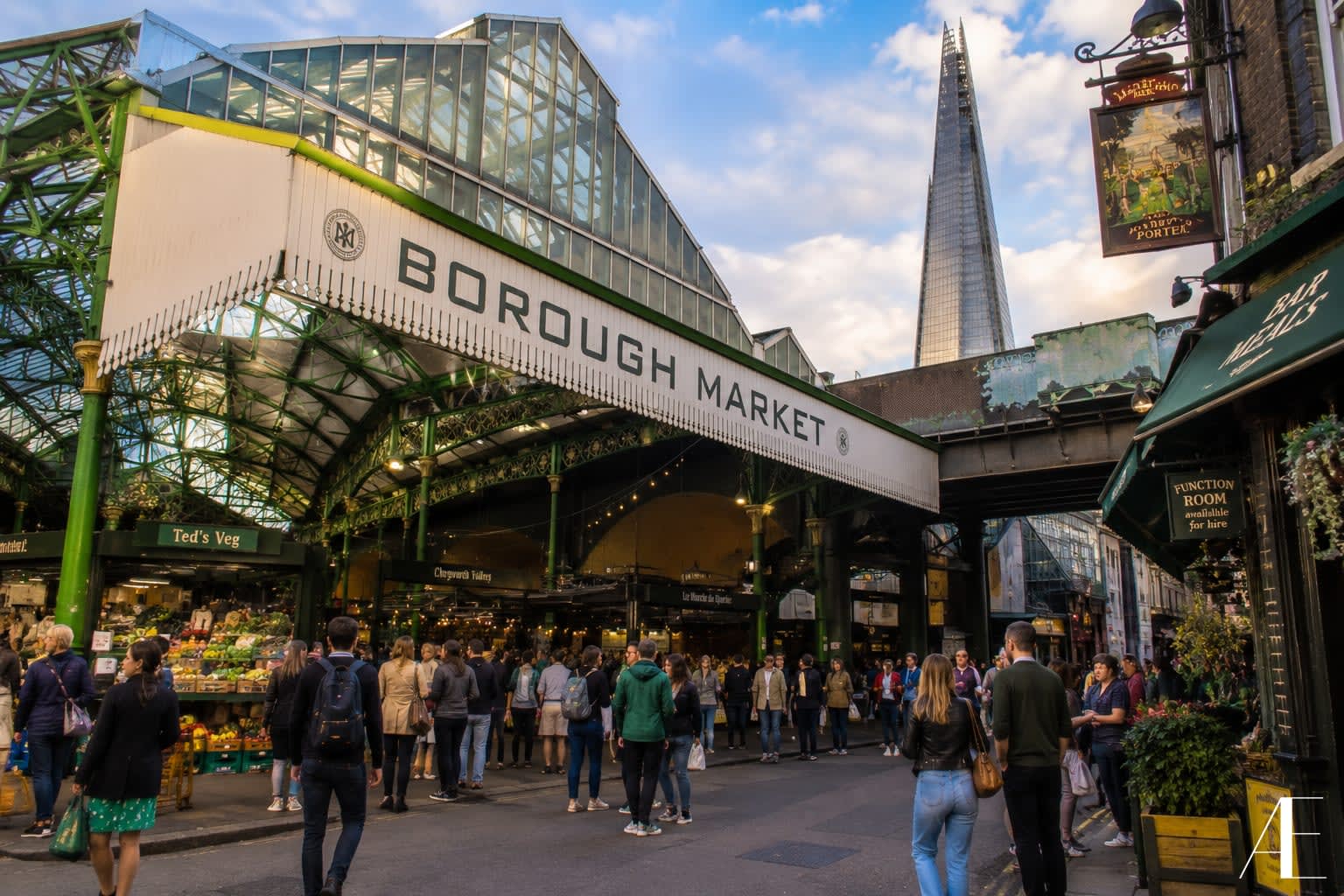
Borough Market on Saturday morning is one of the great food experiences on the planet. Your clients will eat better in London than they expected. Significantly better.
The upsell: Add a Borough Market food walking tour, a Bermondsey beer mile Saturday morning, and a meal at one of the contemporary three-stars (the Ledbury, the Connaught, or River Café). Pair the trip with Paris by Eurostar for a serious two-capital food trip.
Common objection: "Isn't all English food terrible?" 1980s stereotype. Lead with the chefs, name the Michelin count, mention Dishoom.
The Multigenerational Family Client
Travelling with children, sometimes grandparents too. May have specific child interests (Harry Potter, dinosaurs, the Crown Jewels). London with children is one of the great trips on earth, but it requires a different itinerary than the adult trip.
What they want: A trip that works for everyone. Children who do not melt down. Adults who do not feel cheated.
The pitch: London with children is exceptional because almost everything they will love is free. The Natural History Museum (the blue whale, the dinosaurs, the earthquake simulator) is a full half-day on its own.
The Tower of London (the ravens, the Crown Jewels, the Yeoman Warders) is riveting at almost every age. The Science Museum interactive galleries take another half-day. Hyde Park has the Diana Memorial Playground. A Thames clipper to Greenwich feels like an adventure rather than transport.
The Harry Potter studio tour at Watford is a full day and the most consistent guaranteed hit for the right age. The grandparents get Westminster, Buckingham Palace, the National Gallery, and an afternoon tea. Five days minimum, ideally seven.
The upsell: The Harry Potter studio tour for the right age. A second London trip booked at a future date for the older children. Cotswolds extension for the grandparents on the back end.
Agent note: Hotel choice matters more here than for any other client profile. Recommend South Kensington (walking distance to the three free museums) or Bloomsbury (walking distance to the British Museum, Russell Square for the children to run in, easy to the West End). Avoid Mayfair for families: too formal, too quiet, not walkable to the museums they actually want.
The Luxury Client
Usually 50+ years old, may be repeat London visitors, may be on a milestone trip (anniversary, retirement, significant birthday). Want the city at its highest level.
What they want: The full grand London experience. The right hotel, the right table, the right level of service, the right private arrangements.
The pitch: London has the finest concentration of luxury in the English-speaking world. Claridge's for the iconic grande dame experience, the Connaught for the quieter version, the Savoy for the riverside drama.
A box at the Royal Opera House. Private morning entry at the Tower of London before the public arrives. The Wallace Collection privately at closing. Dinner at the Ledbury or Hélène Darroze. Afternoon tea at the Ritz or Claridge's. A Sunday at Petersham Nurseries in Richmond. A bespoke tailor on Savile Row. London at this level is one of the genuinely irreplaceable experiences in travel. Five to seven nights minimum, ideally with a Cotswolds country house extension on the back."
The upsell: The Cotswolds country house. A private tour of the royal residences when the family is not in residence. A Bond Street personal shopping experience. A Royal Box at Wimbledon if the trip is in late June or early July. The luxury London trip is itself the upsell from "ordinary" London.
Agent note: For Canadian and American luxury clients specifically, exchange rates between the dollar and the pound are worth tracking. When the rate is favourable, London's grand hotels and Michelin-starred restaurants become significantly more accessible than they appear on paper. Mention this when relevant.
The Objections (and How to Handle Them)
These are the objections that come up in roughly this order of frequency. Each has a real answer.
Three days is enough, right?
The single most damaging objection in London selling. Three days does not see London; it sees the icons of London. The agent who accepts "three days" without pushback has accepted a fee on a stopover rather than a real trip.
The answer: Three days lets your clients see the headline London: the Tower, Westminster, the South Bank, a museum, a theatre evening. They will leave saying they have been to London. But they will not have seen it.
Four to five days is when London actually opens up: the markets, the neighbourhoods, the second-tier museums that are often better than the first, a proper meal in Bermondsey or Marylebone, a Sunday afternoon in Notting Hill or Greenwich.
A week is when London becomes the city your clients actually remember. Almost every client who books three nights returns home wishing they had booked five. Almost no client who books five wishes they had booked three.
London is too expensive
True at the top, false at the bottom. The reframe is not denial; it is structure.
The answer: London is expensive at the luxury level and very reasonable at the cultural level. The five greatest museums in the city (the British Museum, the National Gallery, the Tate Modern, the V&A, the Natural History Museum) are entirely free. The parks are vast and free. A pint in a good pub is six to eight pounds. Borough Market lunch is fifteen pounds for an extraordinary meal.
What makes London expensive is luxury hotels and tourist-facing restaurants in Mayfair. Both are avoidable. I can build an itinerary that delivers world-class culture at very reasonable cost. The trick is knowing which expenses are worth it (theatre, one or two serious dinners, a great central hotel) and which are not (taxis instead of the Tube, restaurants chosen for proximity to attractions).
We've heard the food in England is terrible
The most outdated objection in travel. Has not been true since approximately 1990.
The answer: That reputation was earned in the 1970s and has been wrong for thirty years. London is now one of the great food cities in the world. Three of the top fifty restaurants on the World's 50 Best list are in London.
The diversity of the immigrant communities means you can eat extraordinary Indian, Bengali, Nigerian, Vietnamese, Lebanese, Korean, Turkish, and West African food at every price point.
The street food and market culture at Borough, Maltby Street, and Spitalfields is among the most interesting in Europe. The contemporary British movement (St John, the Ledbury, Brat, Lyle's) is producing some of the most influential cooking on the continent. Your clients will eat better in London than they expect by a significant margin.
Why London over Paris?
This comes up especially for romantic-trip clients and first-time European visitors.
The answer: Both are extraordinary, and very different. Paris is visual, romantic, atmospheric; it is a city to look at and walk through. London is layered, theatrical, global; it is a city to dig into.
Paris feels like a museum that you live in for a week. London feels like a city that has a museum in every postcode. For the romantic short break, Paris often wins. For the cultural deep dive, London wins.
For the foodie trip, London now slightly wins. For the first-time European trip, London is easier (the language, the safety, the free museums).
And for the right itinerary, do not choose: the Eurostar takes you from St Pancras to Gare du Nord in two hours fifteen minutes. London plus Paris is one of the great two-capital trips in the world.
Won't it rain the whole time?
The English weather myth. Mostly false.
The answer: London actually gets less annual rainfall than Rome, Miami, or New York. What it has is unpredictable weather: sun and rain can alternate in a single afternoon. The locals do not change their plans for it. They carry a folding waterproof and go anyway.
London is one of the best cities in the world for a rainy day: the British Museum, the National Gallery, the V&A, the Tate Modern, all free, all enormous, all under cover. A wet afternoon in London is one of the great London experiences. Pack a waterproof. Plan around the weather, not against it.
We've already been to London. There is nothing left to see
Repeat client objection. The answer is to ask what they did and show them the gap.
The answer: "What did you see on your first trip? If it was Westminster, the Tower, Buckingham Palace, and one museum, you have seen the headline London. You have not seen the real one.
Borough Market on Saturday morning. The Wallace Collection. Bermondsey Beer Mile on a Saturday. A Sunday afternoon walking the Regent's Canal from Camden to Little Venice. Hampstead Heath in autumn. Choral evensong at Westminster Abbey. The South Bank at golden hour with a glass of wine at the National Theatre.
The Dulwich Picture Gallery, an hour from Westminster and almost no tourists. Most clients who think they have done London discover on a second visit that they have barely started.
Is London safe?
Yes, with the standard urban caveats.
The answer: London is a very safe city by any global standard. The main risk visitors face is pickpocketing on crowded Tube lines and in tourist areas around Westminster. The everyday violent crime rate is significantly lower than in major North American cities.
Terrorism concerns are understandable but the practical risk profile is extremely low, and the security infrastructure around tourist sites is substantial and discreet. Standard urban awareness is sufficient. Your clients can walk back to a central hotel at eleven at night and feel comfortable doing so.
The Tube looks complicated.
It looks complicated. It is not.
The answer: The London Underground map looks like a circuit board. The actual system is the easiest big-city transport in the world. Your clients tap a contactless credit card to enter, tap to exit, and the system calculates the cheapest fare automatically. The lines are colour-coded. The announcements are in clear English. Every train tells you the next station.
The trick is that they will use perhaps five lines in a typical trip (Central, Piccadilly, Jubilee, Victoria, District). I will give them a one-page guide to the journeys they will actually take. By day two they will feel like locals.
We don't want to be stuck in tourist areas the whole time
Easy fix. The fact that they are asking means they are good clients.
The answer: That is exactly the trip I want to build for you. We will base in a neighbourhood that is central but lived-in (Bloomsbury, Marylebone, or South Kensington rather than Leicester Square), structure the itinerary by neighbourhood cluster, and build in real-London elements at every stage: Borough Market on Saturday morning, a Sunday in Bermondsey or Hackney, a Wednesday evening pub in Holborn, a weekday lunch where the office workers eat, not where the cruise ships dock.
The icons are unavoidable on a first trip and you should see them. But the icons take maybe two days. The other four days are the real city.
We are only there two nights before the cruise. Is the London part worth anything?
Yes, but the structure has to be tight.
The answer: Two nights pre-cruise is the minimum that protects your clients against jet lag and flight delays. It is not enough to see London properly, but it is enough to enjoy it: arrive at Heathrow, Elizabeth line to a central hotel, an early dinner, a walk along the South Bank that evening. Full day next day: Tower of London first slot in the morning, Westminster Abbey in the afternoon, a West End play in the evening. Train to Southampton the next morning, rested and excited. The pre-cruise nights are not the London trip your clients deserve, but they are infinitely better than arriving the same day.
The Upsell Paths
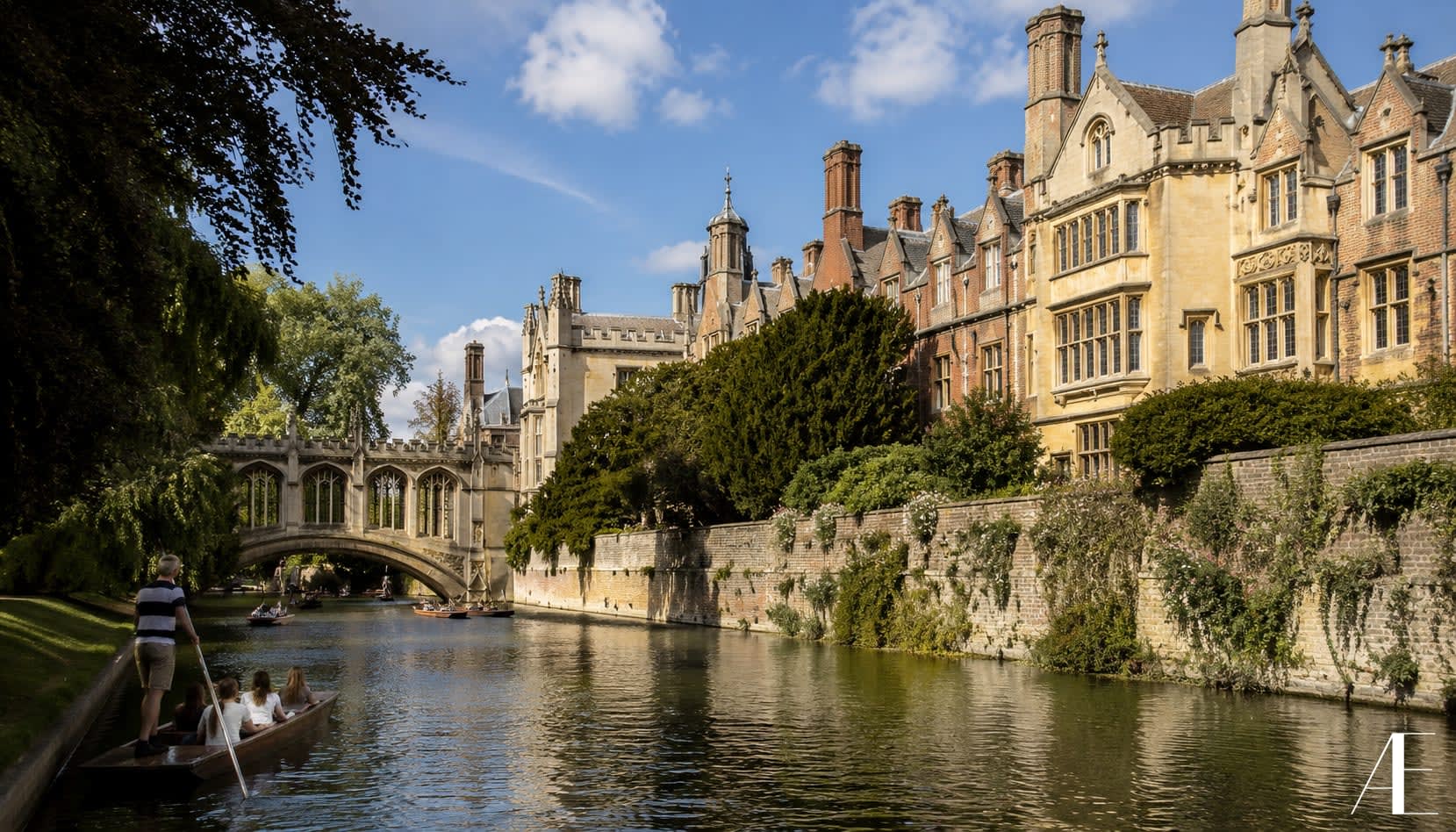
London is rarely the whole trip. The structured upsell is where the commission compounds.
London & Paris by Eurostar
London & Paris by Eurostar is the iconic two-capital trip. Four to five nights London, three to four nights Paris, the Eurostar in between. Ten nights total.
The right client: first-time European visitors, romantic clients, foodies, repeat European travellers who somehow never paired the two cities.
London & Scotland by train
London & Scotland by train is the classic British Isles trip. Four to five nights London, then King's Cross to Edinburgh Waverley in four hours twenty minutes on the East Coast Main Line. Three to four nights Edinburgh. Ten nights total.
The right client: history clients, first-time UK visitors, anyone who wants a serious British trip without flying internally.
London & the Cotswolds
London & the Cotswolds is the soft countryside extension. Four to five nights London, then three nights in a Cotswolds country house hotel. Eight to nine nights total.
The right client: luxury clients, couples on milestone trips, anyone wanting the iconic English countryside after the city.
London & Bath
London & Bath is the lighter version. Four to five nights London, two nights in Bath (90 minutes by train from Paddington). Seven nights total.
The right client: literary clients (Jane Austen), history clients, value-conscious clients who want a country break but not a country-house budget.
London & Oxford or Cambridge
London & Oxford or Cambridge as day trips is the underrated upsell. Either is one hour from London by train.
The right client: any first-time visitor with five or more nights in London. These are full-day excursions, not weekend stays, and they add depth to the trip without adding hotels.
The British Isles Triangle
London, Edinburgh & Dublin is the British Isles Triangle. Two weeks.
The right client: returning to the UK after a previous London-only trip, or first-timers who want the full set on a single major trip. This is one of the strongest two-week itineraries in the entire industry.
London & a Southampton cruise
London & a Southampton cruise is the natural cruise package. Two to three nights pre-cruise, seven to fourteen nights cruise, one to two nights post-cruise.
The right client: every Southampton cruise client without exception.
The Cross-Sell Paths

These are the multi-city itineraries to position when the client is open to more than one destination.
The British Isles Triangle
London, Edinburgh & Dublin. Ten to fourteen nights. The single best first-time-to-Britain-and-Ireland itinerary on the market.
The Two Capitals
London & Paris by Eurostar. Eight to ten nights. The easiest multi-country European trip to sell to first-time clients.
The Royal Trip
London, Windsor & Edinburgh. For royal-interested clients who want the full set of British royal residences.
The Literary Trip
London, Oxford, Bath & Stratford-upon-Avon (for the Shakespeare client) or London & Dublin (for the broader English-language literary tour).
The Transatlantic Anchor
London as the pre- or post-stay for a Cunard Queen Mary 2 transatlantic crossing between Southampton and New York. The QM2 is one of the great travel experiences and London is the natural city for the land portion.
The Email Templates

Three templates to adapt. Each should be customised to the client and the discovery answers, but the structure works.
Template 1: The Initial Pitch (after discovery call)
Subject: London, the trip we discussed
Hi [name],
Thinking about our call yesterday. Based on what you told me about [first-time Europe / returning visitor / cruise add-on / theatre focus / family trip / luxury anniversary], London is the right anchor for this trip, and here is why.
[Two to three sentences from the relevant client-profile pitch above, customised.]
What I would suggest: [number] nights in London, anchored at [hotel category and neighbourhood], with [day trip / extension / Eurostar pairing] built in. Total trip length [X] nights, ballpark investment [range], best months [based on discovery].
I will put together a proper proposal once you confirm direction. Two quick questions before I do:
- [Question about specific interests, dates, or theatre preferences]
- [Question about cruise component, second city interest, or budget anchor]
Looking forward to building this one.
[Signature]
Template 2: The Cruise Pre-Stay Pitch
Subject: Your [cruise line] sailing from Southampton, one important note
Hi [name],
I want to flag something important about your [ship name] sailing from Southampton in [month].
Flying seven hours from [Montreal / Toronto / New York] and boarding the ship the same day is the single most common mistake in international cruise travel. Jet lag plus a delayed flight plus cruise embarkation is a stressful combination, and if anything goes wrong with the flight, the ship sails without you.
I would strongly recommend adding three nights in London pre-cruise. Your clients land at Heathrow, take the Elizabeth line to a central hotel, sleep, see London properly, and board the ship rested. The pre-cruise stay is not just an upsell. It is risk management.
The three-night London stay typically adds [range] to the total trip cost. For a first-time London client, four to five nights is even better. Want me to price the options?
[Signature]
Template 3: The Repeat Client Pitch
Subject: London, but not the one you saw last time
Hi [name],
Following up on our conversation. You mentioned you had been to London before and were not sure there was much left to see. There is. A great deal, in fact.
The first London trip is always the headline trip: the Tower, Westminster, Buckingham Palace, the icons. The second trip is when London actually opens up. Borough Market on Saturday morning at 9am. The Wallace Collection on a Tuesday afternoon. Bermondsey under the railway arches for dinner. Hampstead Heath in October. A Sunday in Notting Hill or Greenwich. The South Bank at golden hour from the National Theatre terrace with a glass of wine.
I would suggest five nights this time, anchored at [boutique hotel suggestion in Marylebone, Bermondsey, or Bloomsbury], with a structured itinerary that deliberately avoids the things you have already done. We can add a Eurostar to Paris, a train to Edinburgh, or a Cotswolds extension on the back end depending on what appeals.
Let me know if you would like to see the proposal.
[Signature]
When NOT to Sell London
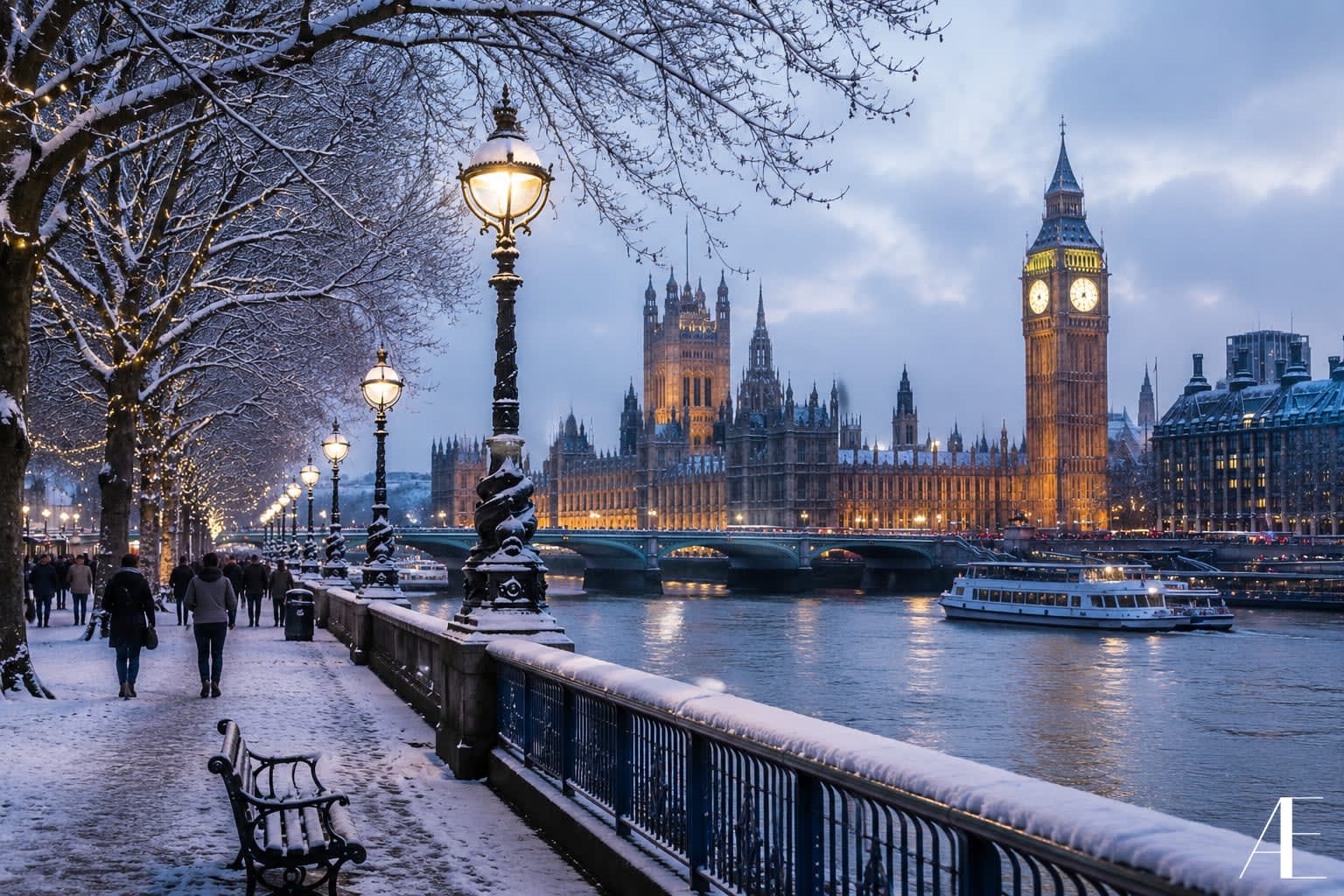
The hardest part of advisor work is telling a client their idea is wrong. London is wrong for some clients, and saying so builds more trust than any pitch ever will.
Skip London for sun-and-beach clients. The English weather is the English weather. If they want warmth and water, sell the Mediterranean, the Caribbean, or Lisbon.
Skip London for clients who want a single quiet relaxing destination. London is a major world city with the noise, density, and stimulation that implies. Clients who want quiet should be sent to the Cotswolds, the Scottish Highlands, or a Provençal village, not a city of nine million people.
Skip London as the only stop for clients with limited time who want "real Europe." London is real Europe, but it is also distinctively itself: English-speaking, common-law, post-imperial, multicultural in a way Paris and Rome are not. Clients whose mental image of Europe is cafe culture and ancient ruins may be better served by Paris, Rome, or Barcelona on a first European trip. Sell London to them on the second trip, when they are ready for it.
Skip London in February for daylight-sensitive clients. Eight hours of daylight, often grey. Beautiful for some, depressing for others. Ask honestly.
Skip London for extremely budget-constrained clients on a short trip. Three nights in central London in summer can cost more than seven nights in Lisbon or Prague. If the budget is genuinely tight and the trip is short, send them somewhere where the budget goes further. London rewards a longer stay; it does not reward a tight one.
Saying these things, in plain language, is the act of a specialist. Clients will trust the destinations you recommend more once they have heard you turn one down honestly.
The Close
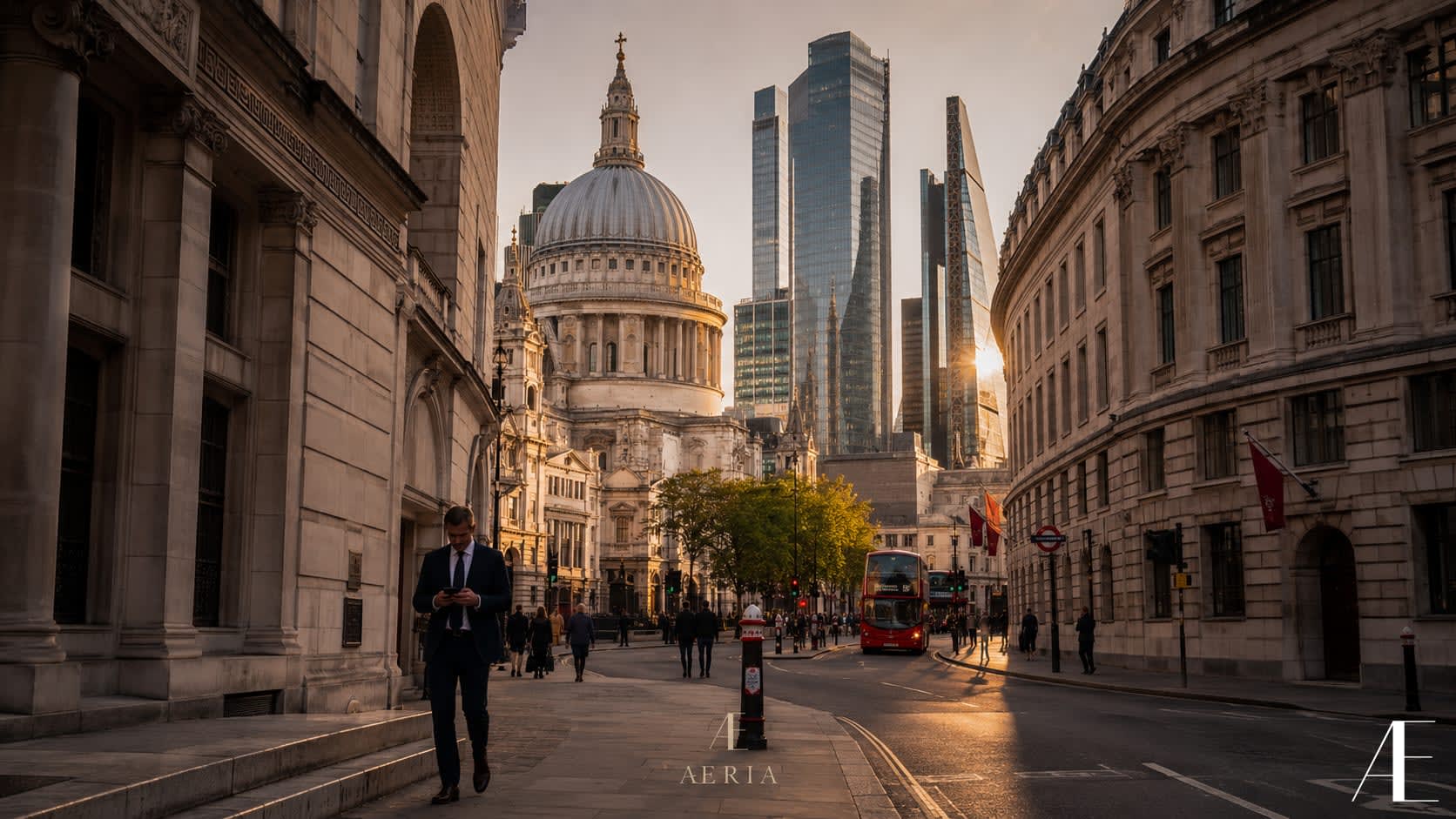
Closing a London booking is rarely about clever language. The client already wants to go. The job is to make sure they go properly: with enough nights, in the right neighbourhood, with the right structure across the days, and with the upsells that make the trip into the trip they will remember.
The clients who book London badly do so because the agent did not push back. Three nights. Heathrow Express. A hotel near Piccadilly Circus. The Tower in the morning and Buckingham Palace in the afternoon. None of this is wrong, but all of it is thin. The agent who accepts the client's first instinct without question delivers a trip the client will half-remember.
The clients who book London well are guided to it. Five nights minimum. A neighbourhood hotel in Bloomsbury, Marylebone, South Kensington, or Bermondsey. A structured itinerary that respects the neighbourhood clusters. A theatre evening. A Borough Market morning. A Greenwich afternoon. One serious dinner. One day trip if there is time. Maybe a Eurostar to Paris or a train to Edinburgh on the back end.
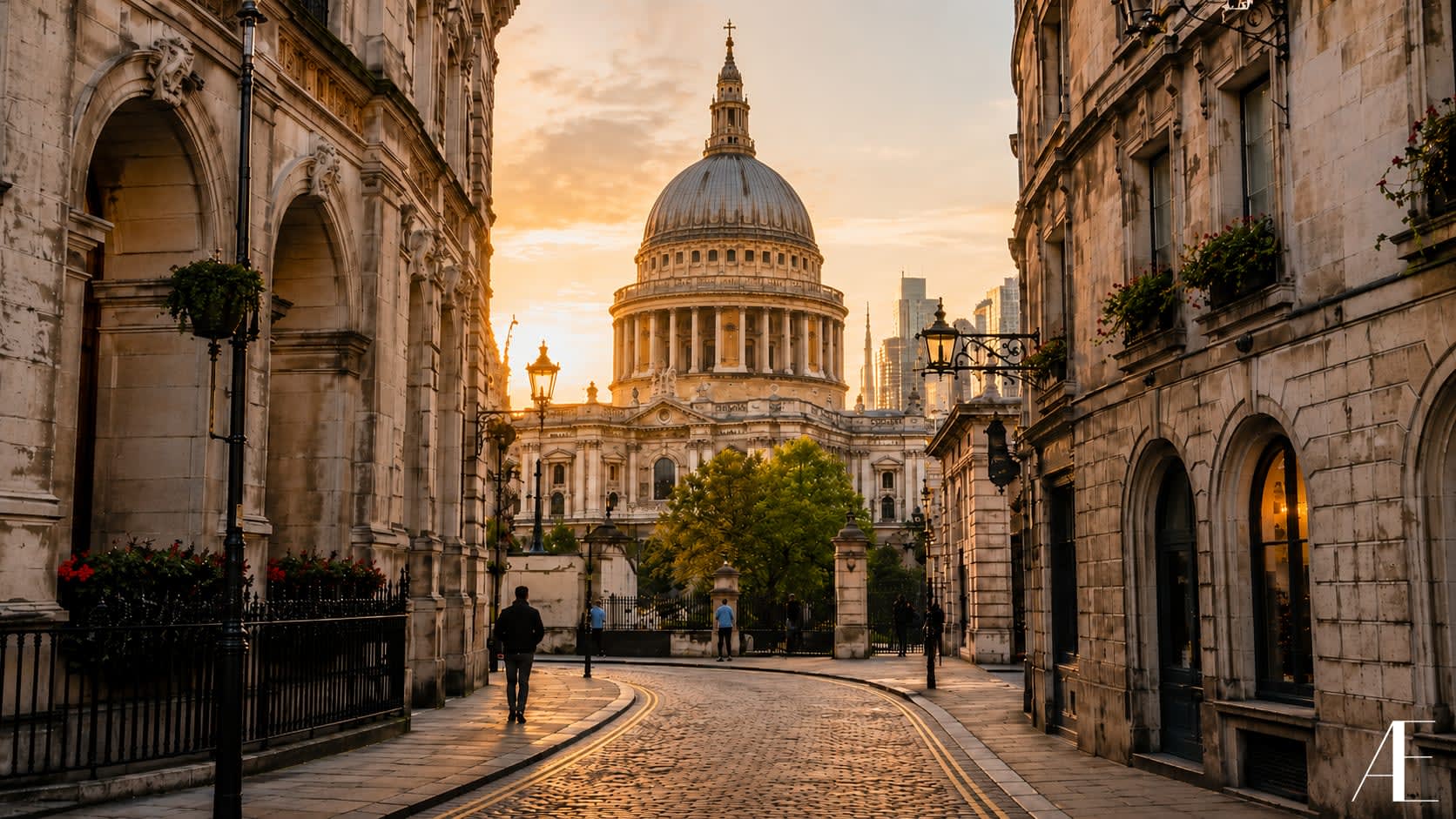
Be specific. Name the hotels. Name the restaurants. Tell them about the Wallace Collection, and choral evensong at Westminster Abbey, and the Wren inscription in St Paul's that says "Reader, if you seek his monument, look around you." Tell them which Tube lines they will actually use. Tell them that the Tower is busy by ten in the morning and that the trick is the first entry slot. Tell them the South Bank walk is best in the late afternoon with the sun behind them. Tell them that Borough Market by 11am on a Saturday is heaving and that 9am is the answer.
The clients who hear that pitch "this is what your trip will actually feel like, told by someone who knows the city" book. Not always immediately. But they book the full trip, not the half-trip. And they come back.
This is part of the ÆRIA Voyages Academy series on London.
See also:
- London: The Brief Overview
- London: The Cruise Connection
- London: The Complete Agent's Guide


Member discussion