
London: The Cruise Connection
The First Thing Agents Need to Know
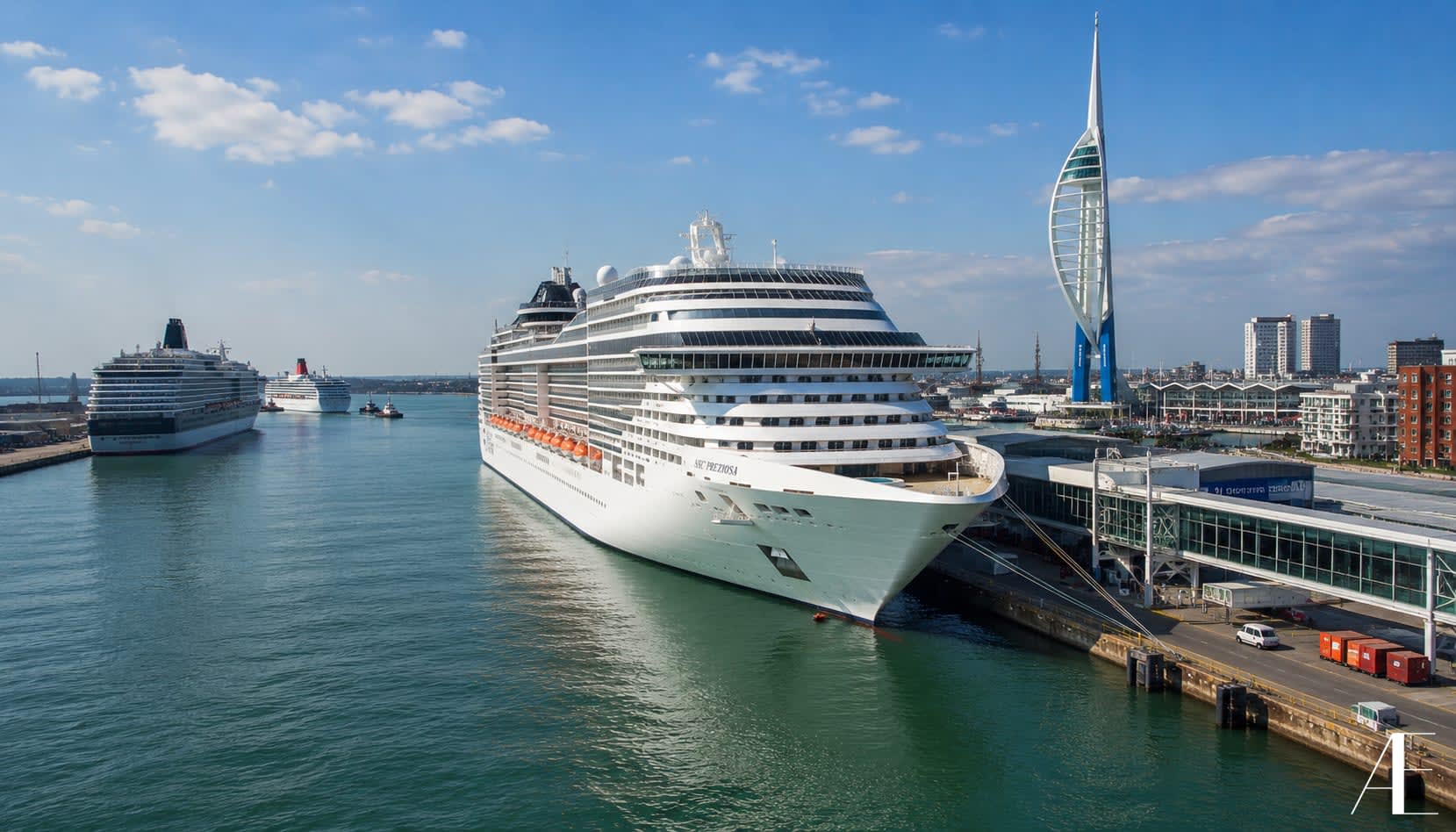
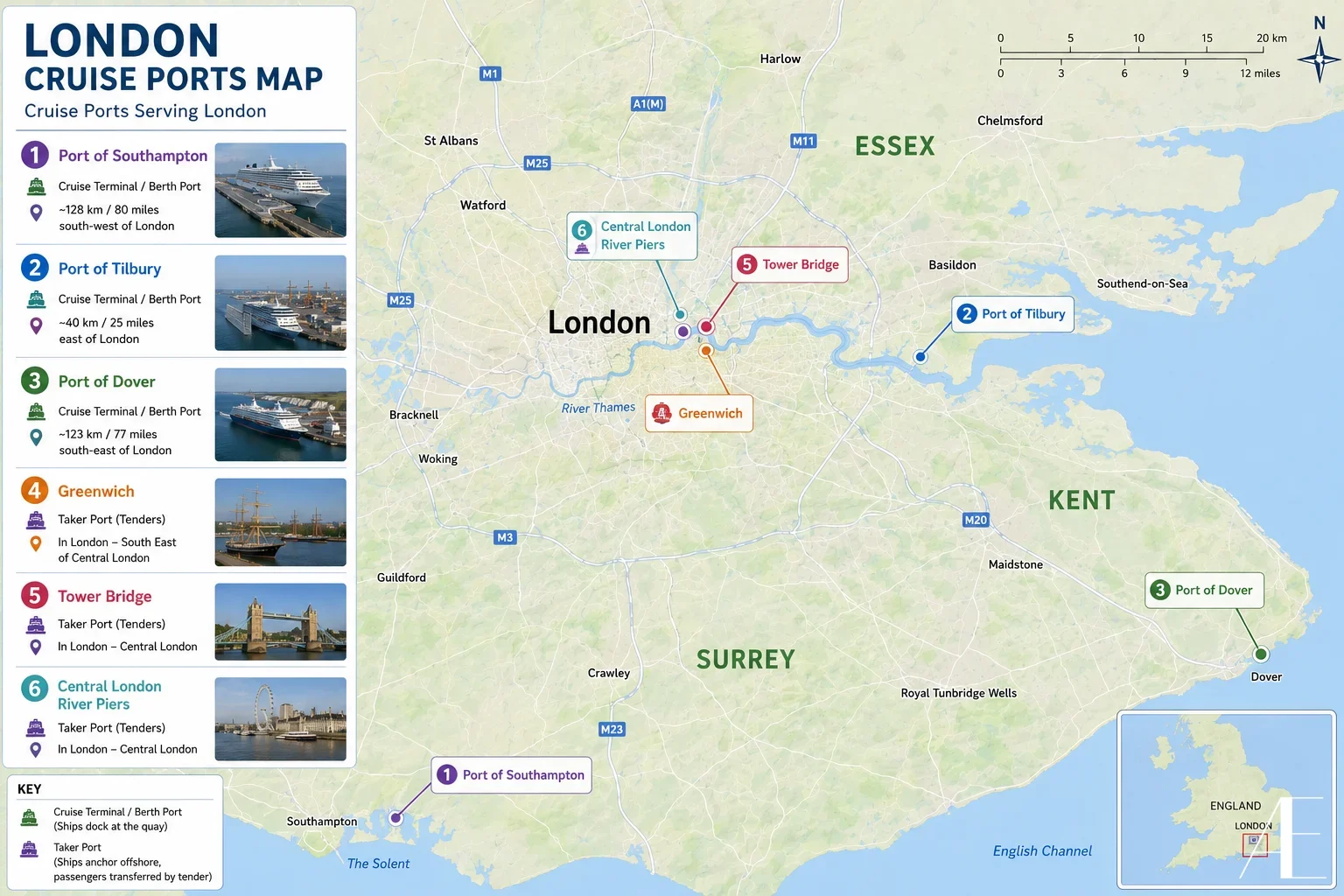
London is unlike any other cruise destination in this guide series: most cruise itineraries marketed as "London" do not actually dock in London at all. The vast majority arrive at Southampton, 130 km southwest of the city. A smaller number use Tilbury, 40 km east. A handful of smaller vessels and river cruise ships berth in central London at Greenwich, Tower Bridge, or other Thames piers.
This distinction is more important than it sounds. The difference between Southampton, Tilbury, and a central London river berth determines transfer time, pre- and post-cruise planning, hotel choices, baggage handling, and how much of London your clients will actually see. Agents must confirm the exact port on the cruise documents before any London accommodation is booked.
When a client's cruise itinerary says "London," never assume the ship is arriving in the city. The difference between Southampton (90 minutes from central London by train) and Tilbury (60 minutes by train) and Greenwich (15 minutes by river boat) can dramatically affect shore excursion planning, pre- and post-cruise night requirements, and how an entire trip is structured.
The Ports
Port of Southampton
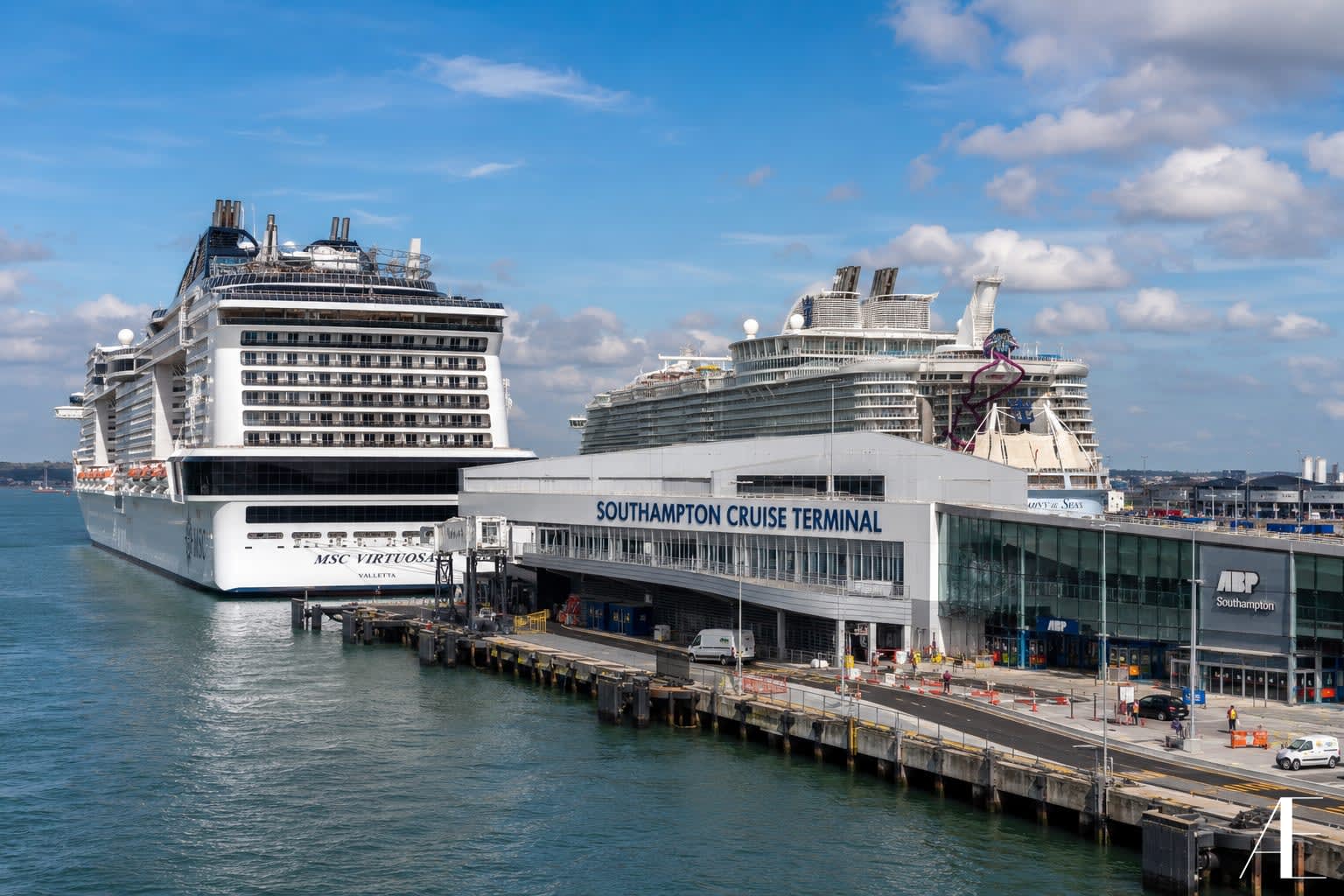
- Operator: Associated British Ports
- Location: Southampton, Hampshire, approximately 130 km southwest of central London.
- Type: Major turnaround port. The largest cruise embarkation port in the United Kingdom and one of the busiest in Northern Europe.
- Transfer from central London: Approximately 80 to 90 minutes by direct train from London Waterloo to Southampton Central. Approximately 90 to 120 minutes by road depending on traffic on the M3 motorway.
- Terminal facilities: Four cruise terminals operate at Southampton: Mayflower, Ocean, Queen Elizabeth II, and Horizon. Each has standard cruise terminal facilities, including baggage handling, embarkation lounges, and taxi ranks.
- Typical use: Embarkation and disembarkation port for British Isles, Northern Europe, Mediterranean, Canary Islands, and transatlantic itineraries. Not used as a port of call: ships originating in Southampton return to Southampton at the end of the voyage.
- Best season: April to October for British Isles and Northern Europe sailings. Year-round for transatlantic and longer voyages.
- Lines that commonly use Southampton: Cunard (home port for Queen Mary 2 transatlantic crossings), P&O Cruises (the dominant Southampton-based British line), Royal Caribbean, Celebrity, Princess, Norwegian Cruise Line, MSC, and most major lines operating British Isles, Northern Europe, and transatlantic itineraries.
Agent note: Southampton is not a destination. It is an embarkation port. Clients who fly into London and transfer directly to Southampton on the same day are taking the single most common risk in international cruise travel: jet lag, flight delays, and lost luggage all become catastrophic if the ship is sailing that evening.
The pre-cruise London stay is not an upsell; it is risk management. Two nights minimum. Three is better. Four for first-time London visitors.
Port of Tilbury
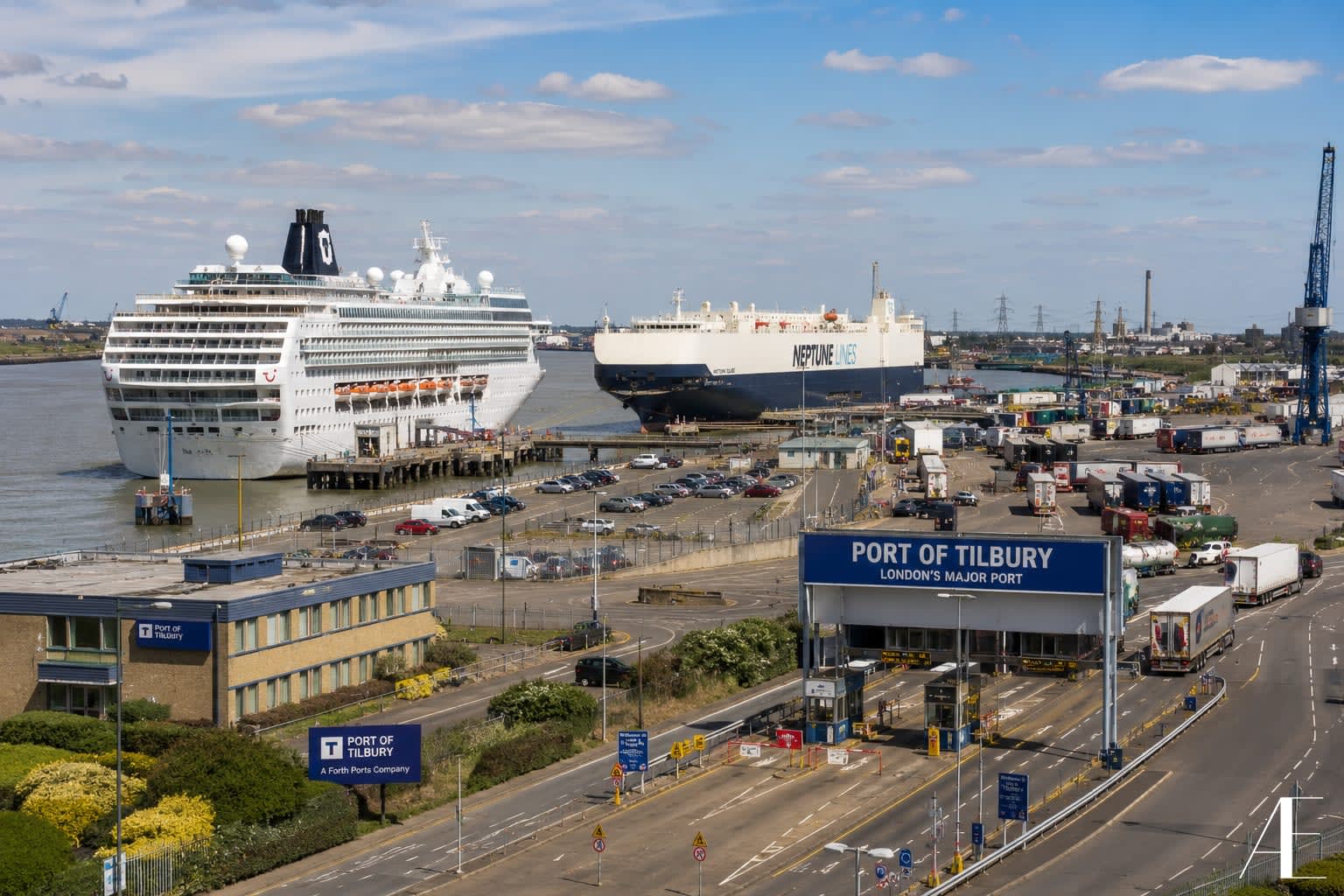
- Operator: Forth Ports
- Location: Tilbury, Essex, approximately 40 km east of central London on the north bank of the Thames Estuary.
- Type: Both turnaround port and port of call. Tilbury is where genuine "London" cruise calls actually arrive, in the sense that the ship reaches the Thames.
- Transfer to central London: Approximately 60 to 75 minutes by rail. The C2C line runs from Tilbury Town station to London Fenchurch Street in approximately 40 minutes; from Fenchurch Street, a further 15 to 20 minutes by Tube or taxi to central destinations.
- Terminal facilities: The London International Cruise Terminal at Tilbury has standard embarkation facilities, baggage handling, and rail and coach connections.
- Typical use: Both turnaround port and port of call. Smaller cruise lines and river-going luxury ships use Tilbury more often than the larger lines, which prefer Southampton's capacity.
- Lines that commonly use Tilbury: P&O Cruises (selected itineraries), Fred. Olsen Cruise Lines (regular use), Saga Cruises, Viking Ocean Cruises (positioning Tilbury as "London" in their marketing), and various river-going vessels.
Agent note: Tilbury is where the "London" label on a cruise itinerary is most likely to be technically accurate, since the ship reaches the Thames. But the transfer time to central London eats significantly into port time.
For a Tilbury port call, train via Fenchurch Street is significantly faster and more comfortable than ship-arranged coach transfers. Always recommend the train.
Port of Dover
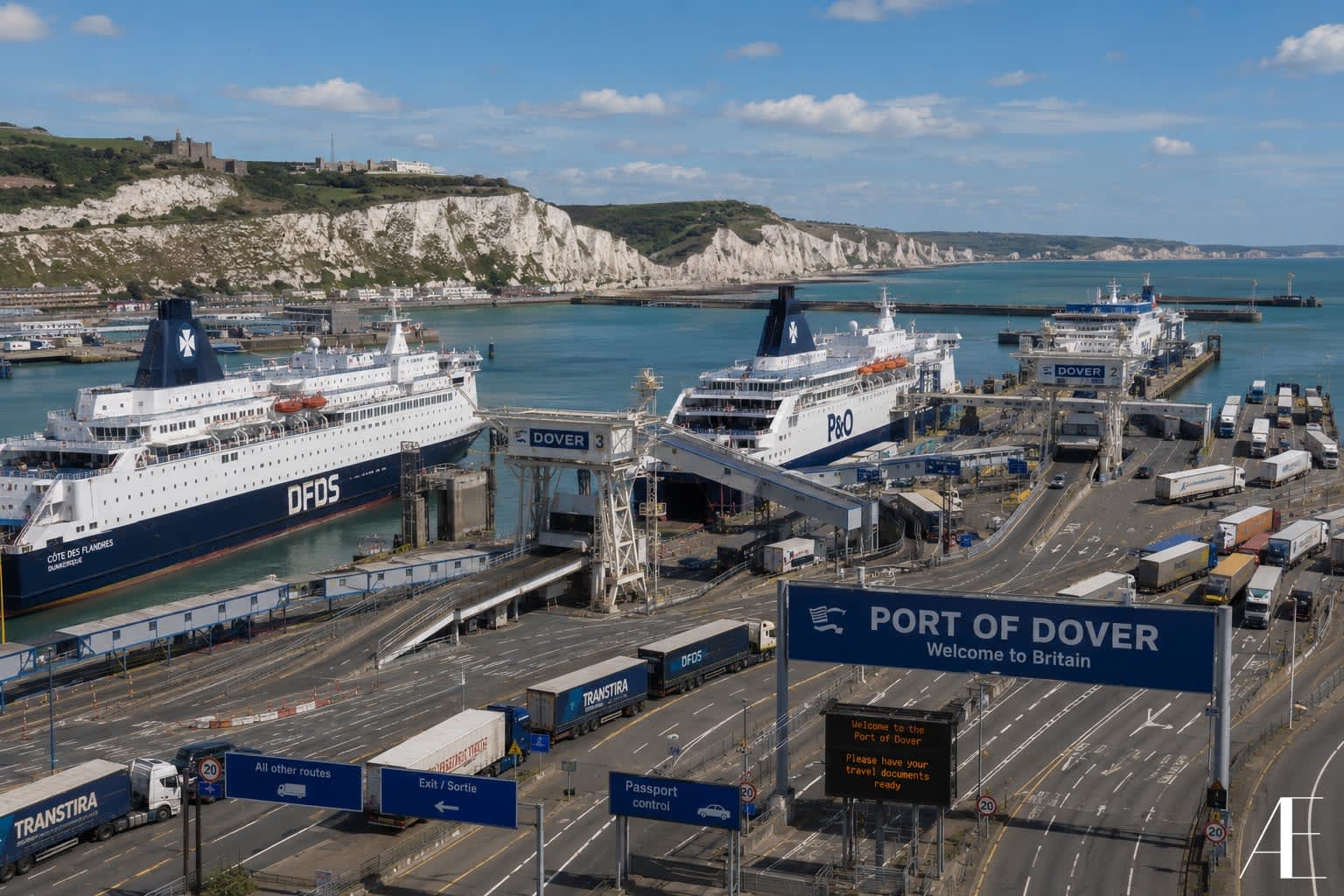
- Operator: Port of Dover
- Location: Dover, Kent, approximately 130 km southeast of central London.
- Type: Both turnaround port and port of call.
- Transfer to central London: Approximately 65 to 75 minutes by High Speed 1 rail service from Dover Priory to London St Pancras International. Approximately 2 hours by road.
- Terminal facilities: Dover Cruise Terminal has two berths and standard cruise embarkation facilities.
- Typical use: Both turnaround port for some British Isles and Northern Europe itineraries, and a port of call for ships transiting the English Channel.
- Lines that commonly use Dover: Holland America Line (regular embarkations), Disney Cruise Line (selected European seasons), Viking, Silversea, Saga, and others.
Agent note: Dover is occasionally marketed as a London-area port, but the transfer time to central London is similar to Southampton. The advantage is the High Speed 1 service into St Pancras (which is itself the Eurostar terminal, useful for clients combining London with Paris). The White Cliffs of Dover and Dover Castle are themselves worth a half-day if the embarkation timing allows.
Greenwich
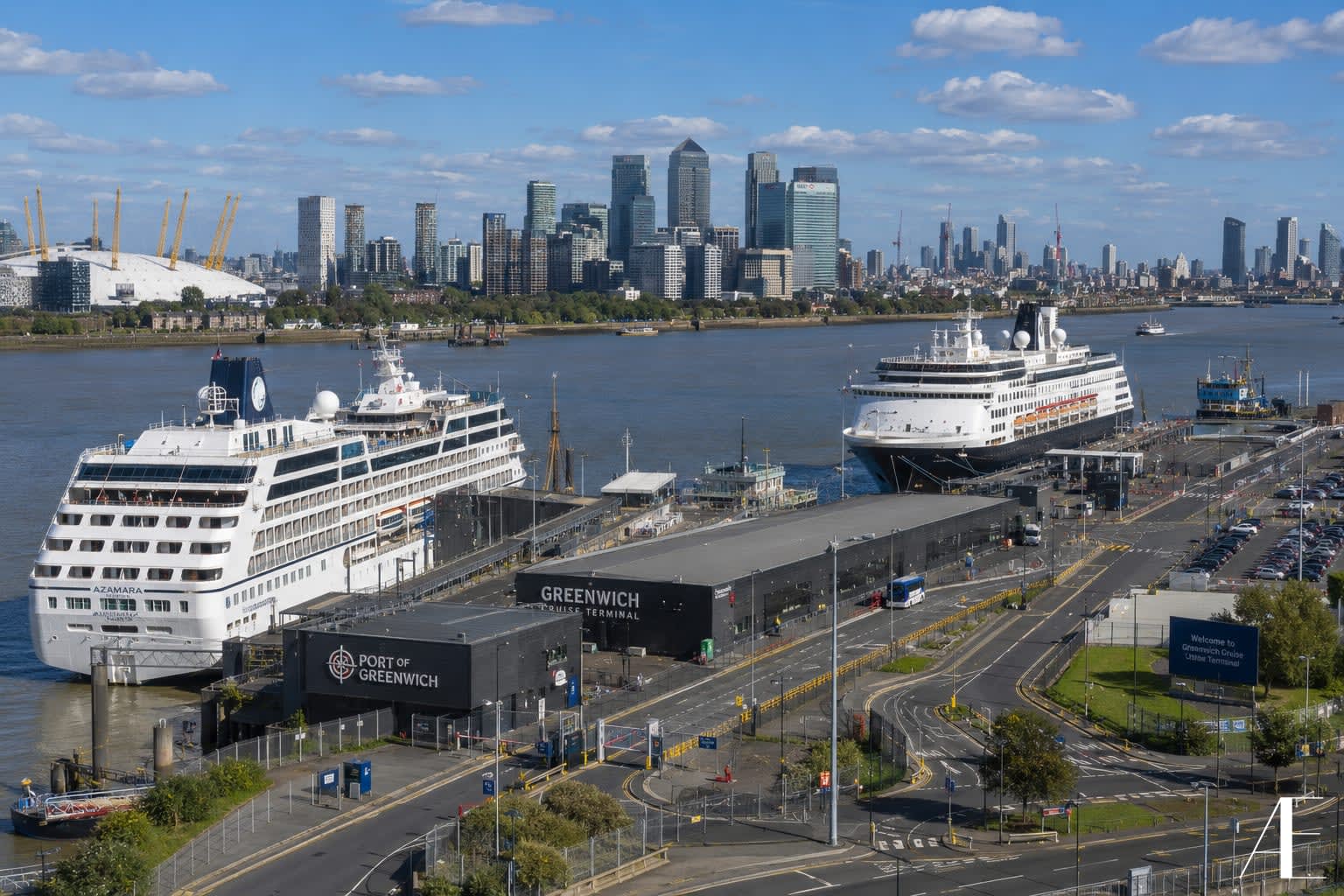
- Operator: Various Thames piers operated by the Port of London Authority
- Location: Greenwich, southeast London, approximately 8 km east of central London on the south bank of the Thames.
- Type: Port of call for smaller ocean-going vessels and luxury river-going ships. Some lines berth at the Greenwich Ship Tier, a midstream mooring requiring tender.
- Transfer to central London: Approximately 25 minutes by DLR from Cutty Sark station to Bank. Approximately 45 to 50 minutes by Thames Clipper river boat to Embankment, Westminster, or Tower Pier (the river boat is itself a sightseeing experience).
- Lines that occasionally use Greenwich or central London piers: Viking, Silversea, Hebridean Island Cruises, and various small-ship luxury operators. Some luxury river cruise vessels berth at Tower Bridge Upper Pool or other central piers.
Agent note: A Greenwich call is the closest thing to a genuine "arriving in London" cruise experience for ocean-going vessels. It is an exceptional arrival, with the Maritime Greenwich UNESCO World Heritage Site immediately at the dock and easy onward access to central London. For the right small-ship luxury client, this is one of the great cruise arrivals in Europe.
Tower Bridge and Central London River Piers
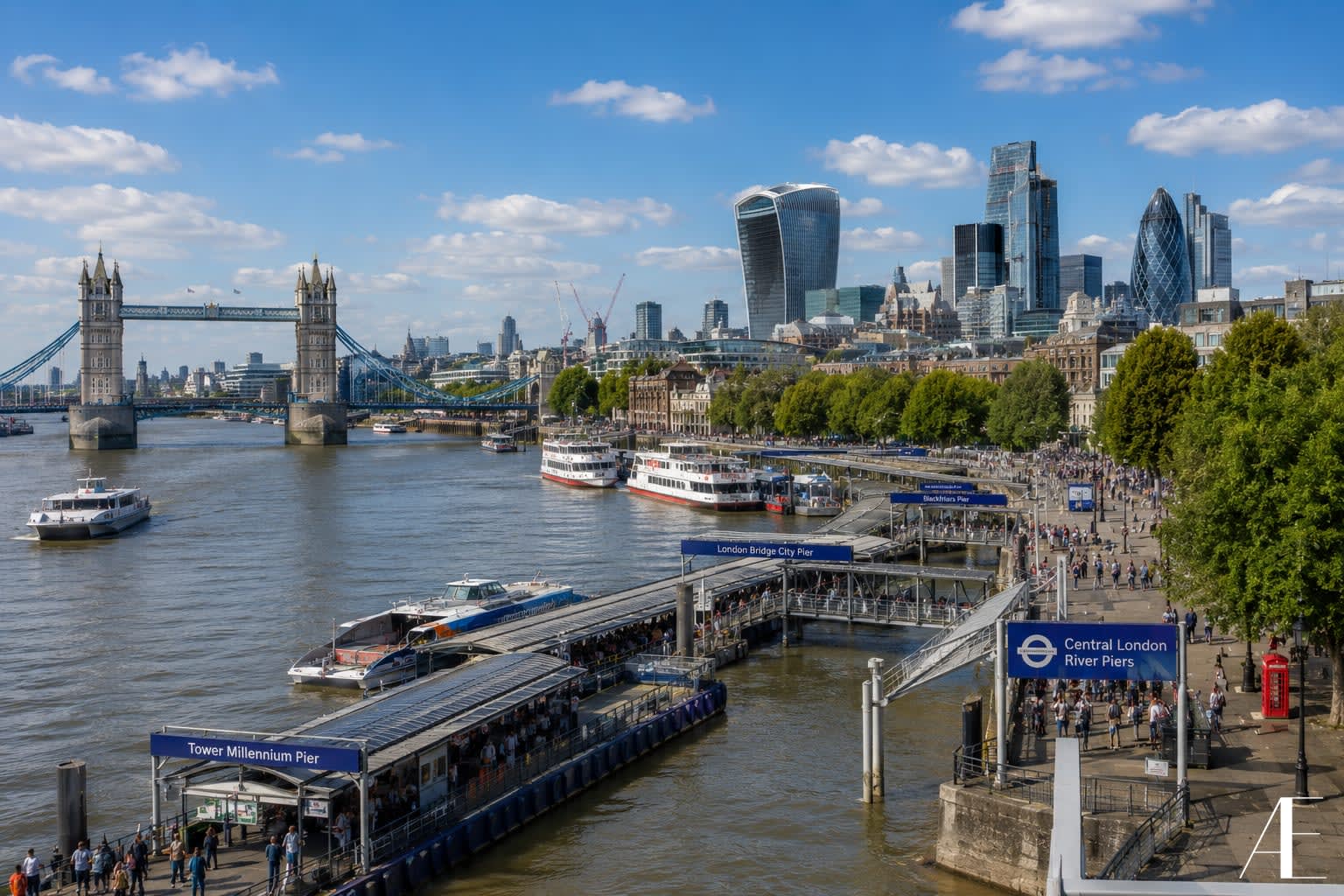
A small number of luxury cruise vessels and river-going ships can pass the Thames Barrier and moor in central London, typically at Tower Bridge Upper Pool or other central piers. This is rare and limited to smaller vessels.
- Lines that occasionally use central London piers: Sea Cloud Cruises, Hebridean Island Cruises (Hebridean Sky), and some private charter vessels.
Agent note: This is the most spectacular cruise arrival in London, with the ship moored immediately beside the Tower of London or in the shadow of Tower Bridge. Reserved for the highest-tier small-ship clientele. If you have a client booking a vessel that uses this arrival, the experience itself becomes part of the pitch.
The Key Practical Point
Confirm which port before your client boards. Confirm whether the ship is docking or tendering. Confirm the transfer time and method. Build all of this into pre- and post-cruise planning before your client leaves home. "London" on a cruise itinerary can mean six different things: Southampton (most common), Tilbury, Dover, Greenwich, a central London pier, or in marketing-speak, none of the above.
For the vast majority of London cruise clients, the practical reality is this: the ship sails from Southampton, your clients fly into London Heathrow, and the agent's job is to put the right number of London hotel nights between the airport and the embarkation pier.
Cruise Lines That Call Here
Cunard Line
- Itineraries: Queen Mary 2 operates regular transatlantic crossings between Southampton and New York throughout the year. Queen Anne and Queen Victoria operate British Isles, Northern Europe, Mediterranean, and World Voyage itineraries from Southampton. London is the natural pre- and post-voyage city for North American clients.
- Port type: Home port. Southampton.
- Time allocated: Embarkation and disembarkation only. London is the pre- and post-voyage city.
Agent note: The Cunard transatlantic crossing on the Queen Mary 2 is one of the great travel experiences in the world. Pair it with three to five nights in London either before or after the crossing. Cunard clients are typically older, well-travelled, and culturally engaged: the ideal London demographic. Mayfair, Knightsbridge, or a Strand hotel like the Savoy fits the Cunard clientele perfectly.
P&O Cruises
- Itineraries: Arvia, Iona, Britannia, Aurora, and Arcadia operate from Southampton across British Isles, Northern Europe, Mediterranean, Caribbean, and World Voyage itineraries. P&O is the dominant Southampton-based British cruise line.
- Port type: Home port. Southampton, with some Tilbury usage on selected ships and itineraries.
- Time allocated: Embarkation and disembarkation only.
Agent note: P&O's primarily British client base means most passengers are already familiar with London or do not require it. However, the line increasingly carries Canadian, American, and Commonwealth passengers who do benefit from the pre-cruise London stay. Always confirm whether your clients are Southampton- or Tilbury-bound, as the transfer logistics differ.
Royal Caribbean International
- Itineraries: Selected British Isles and Northern Europe sailings depart from Southampton, with ship deployment varying by season. The largest ships occasionally use Southampton, making the embarkation experience one of the most impressive in Europe.
- Port type: Home port (selected seasons). Southampton.
- Time allocated: Embarkation and disembarkation only.
Agent note: Royal Caribbean's Southampton embarkations may involve some of the largest cruise ships in the world. The scale itself is part of the experience. For first-time British Isles cruise clients flying from North America, build London pre-cruise nights without exception.
Celebrity Cruises
- Itineraries: British Isles, Northern Europe, and Mediterranean itineraries from Southampton. Celebrity Silhouette, Apex, and other ships have operated these routes.
- Port type: Home port. Southampton.
- Time allocated: Embarkation and disembarkation only.
Agent note: Celebrity's premium positioning makes the London pre-cruise stay a natural fit. A boutique hotel in Marylebone or Bermondsey plus a Celebrity British Isles sailing is one of the better combinations in the market for the upper-mid-luxury client.
Princess Cruises
- Itineraries: British Isles, Northern Europe, and Mediterranean itineraries from Southampton. Princess has a strong Canadian and American client base across these routes.
- Port type: Home port. Southampton.
- Time allocated: Embarkation and disembarkation only.
Agent note: Princess's North American demographic makes London pre-cruise stays standard practice. Three nights minimum is the right recommendation. For first-time London clients, four to five nights.
Norwegian Cruise Line (NCL)
- Itineraries: British Isles, Northern Europe, and selected European sailings from Southampton.
- Port type: Home port (selected seasons). Southampton.
- Time allocated: Embarkation and disembarkation only.
Agent note: NCL's younger and more independent demographic responds particularly well to a London pre-cruise stay structured around food, neighbourhoods, and West End theatre rather than the standard royal-and-Westminster circuit.
Holland America Line
- Itineraries: Selected British Isles and Northern Europe itineraries embark or disembark at Southampton, Dover, or Rotterdam depending on the season and ship deployment. Tilbury is occasionally used as a port of call.
- Port type: Home port (selected sailings). Southampton or Dover.
- Time allocated: Embarkation and disembarkation only.
Agent note: HAL's older demographic responds well to traditional London hotels in Mayfair, Knightsbridge, or the Strand area. Manageable hotel choice matters more than for younger lines.
Viking Ocean Cruises
- Itineraries: Viking British Isles itineraries embark or disembark at Tilbury, which Viking markets as "London." Greenwich is used for selected sailings.
- Port type: Home port. Tilbury (positioned as London).
- Time allocated: Embarkation and disembarkation only.
Agent note: Viking's destination-focused clientele is among the most London-compatible in the cruise market: culturally curious, well-travelled, and willing to invest in extended pre- and post-cruise stays. The three-to-five-night London extension before a Viking British Isles voyage is one of the most natural packages in the market. Viking's marketing of Tilbury as "London" is technically defensible but practically misleading; ensure clients understand the transfer requirement.
MSC Cruises
- Itineraries: Selected British Isles and Northern Europe itineraries from Southampton.
- Port type: Home port (selected seasons). Southampton.
- Time allocated: Embarkation and disembarkation only.
Agent note: MSC's predominantly European client base means most passengers may already know London or arrive overland by Eurostar. For North American clients on MSC, the pre-cruise London stay is essential.
Fred. Olsen Cruise Lines
- Itineraries: Bolette, Borealis, Balmoral, and other vessels operate from Southampton, Tilbury, and Dover across British Isles, Norwegian fjords, and Northern Europe routes.
- Port type: Multiple home ports. Southampton, Tilbury, and occasionally Dover.
- Time allocated: Embarkation and disembarkation only.
Agent note: Fred. Olsen's almost entirely British market means London pre-cruise stays are less commonly booked through agents than for North American lines. The exception is Tilbury embarkations for clients combining the cruise with a London trip.
Silversea
- Itineraries: Selected British Isles luxury itineraries from Southampton, Tilbury, or Dover. Smaller vessels occasionally use Greenwich.
- Port type: Home port (selected seasons). Various.
- Time allocated: Embarkation and disembarkation only.
Agent note: Silversea's ultra-luxury clients are among the most London-compatible in the cruise market. A private London itinerary (Claridge's or the Connaught, a Royal Opera House evening, private morning entry at the Tower of London, dinner at the Ledbury) plus a Silversea British Isles voyage is an outstanding product.
Disney Cruise Line
- Itineraries: Selected European seasons embark or disembark at Dover, with some London marketing positioning.
- Port type: Home port (selected seasons). Dover.
- Time allocated: Embarkation and disembarkation only.
Agent note: Disney's family demographic benefits enormously from a pre-cruise London stay structured for children: South Kensington base, the Natural History Museum, the Science Museum, the Tower of London, and the Harry Potter studio tour at Watford. Three to four nights minimum.
Hebridean Island Cruises
- Vessels: Hebridean Princess and Hebridean Sky.
- Itineraries: Small-ship British Isles luxury operator. Hebridean Sky occasionally uses central London piers as embarkation or call points.
- Port type: Various. Greenwich, central London piers, or other British ports.
Agent note: Hebridean Princess holds a Royal Warrant and has been chartered by the Royal Family. Maximum 50 passengers. All-inclusive. The premium British small-ship experience for the highest-tier clients. If a client books a Hebridean Sky itinerary using a central London arrival pier, the arrival itself is part of the pitch.
Saga Cruises
- Itineraries: Spirit of Adventure, Spirit of Discovery. UK-based luxury line catering primarily to British clients aged 50 and over.
- Port type: Home port. Dover, Tilbury, or Southampton depending on the itinerary.
- Time allocated: Embarkation and disembarkation only.
Agent note: Saga's British market means most clients live within a few hours of the embarkation port. Limited relevance for Canadian and American agents unless selling to expatriate clients.
The Distinction: Embarkation Port vs. Port of Call
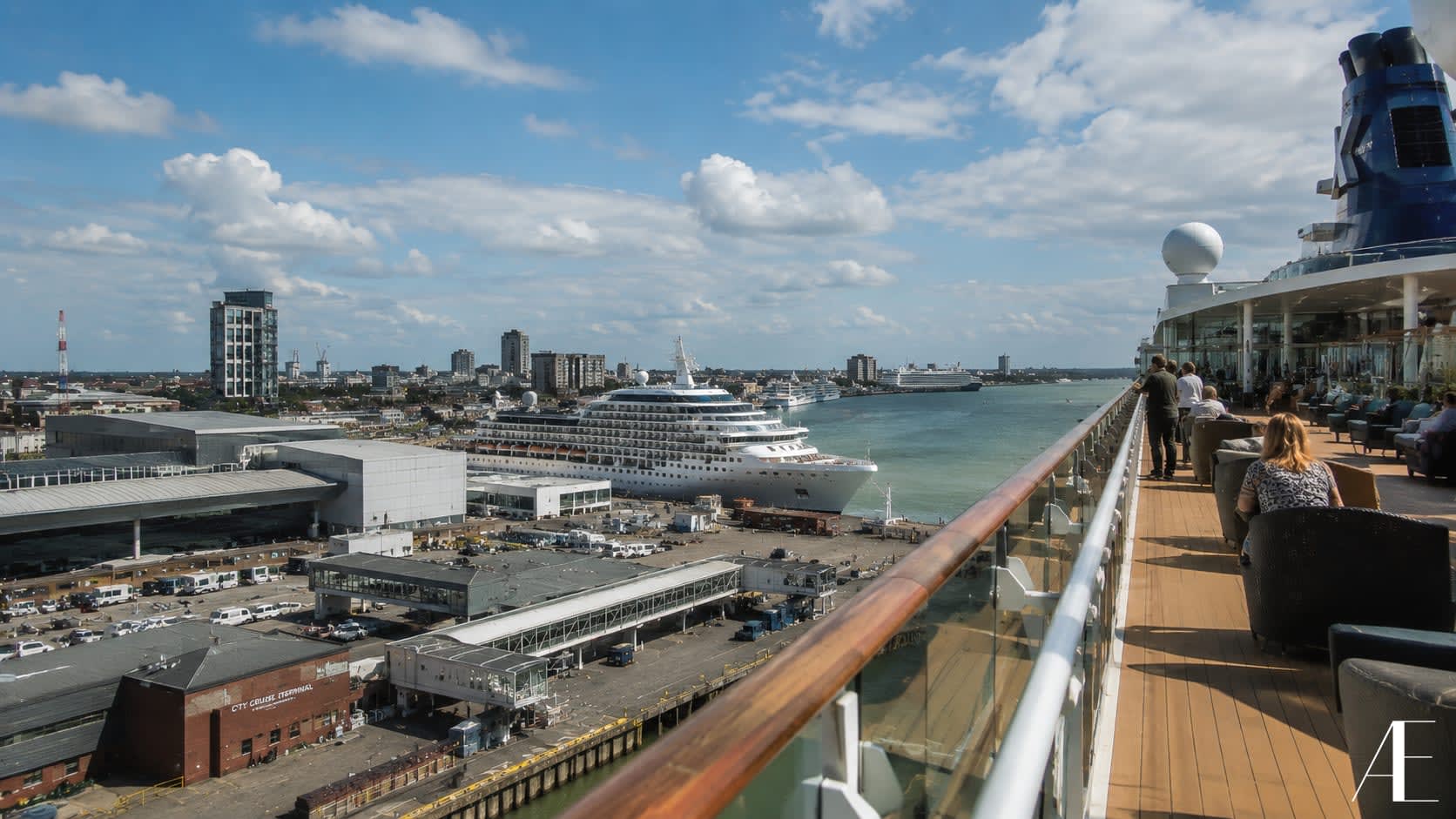
Unlike Edinburgh, Dublin, or most cruise destinations, London is almost never a "port of call" in the traditional sense. The ship rarely arrives, gives passengers six to ten hours ashore, and then leaves with them. Instead, London is the gateway city to which clients fly, in which they spend several nights before or after the cruise, and from which they transfer to the actual embarkation port.
This means the "London: The Cruise Connection" guide for London is structured very differently from the equivalent for Edinburgh, Dublin, or any standard port of call destination. The question is not "what can your clients realistically see in six hours ashore?" The question is "how many London hotel nights should be built around the cruise embarkation?"
What Is Realistic in a Pre-Cruise London Stay
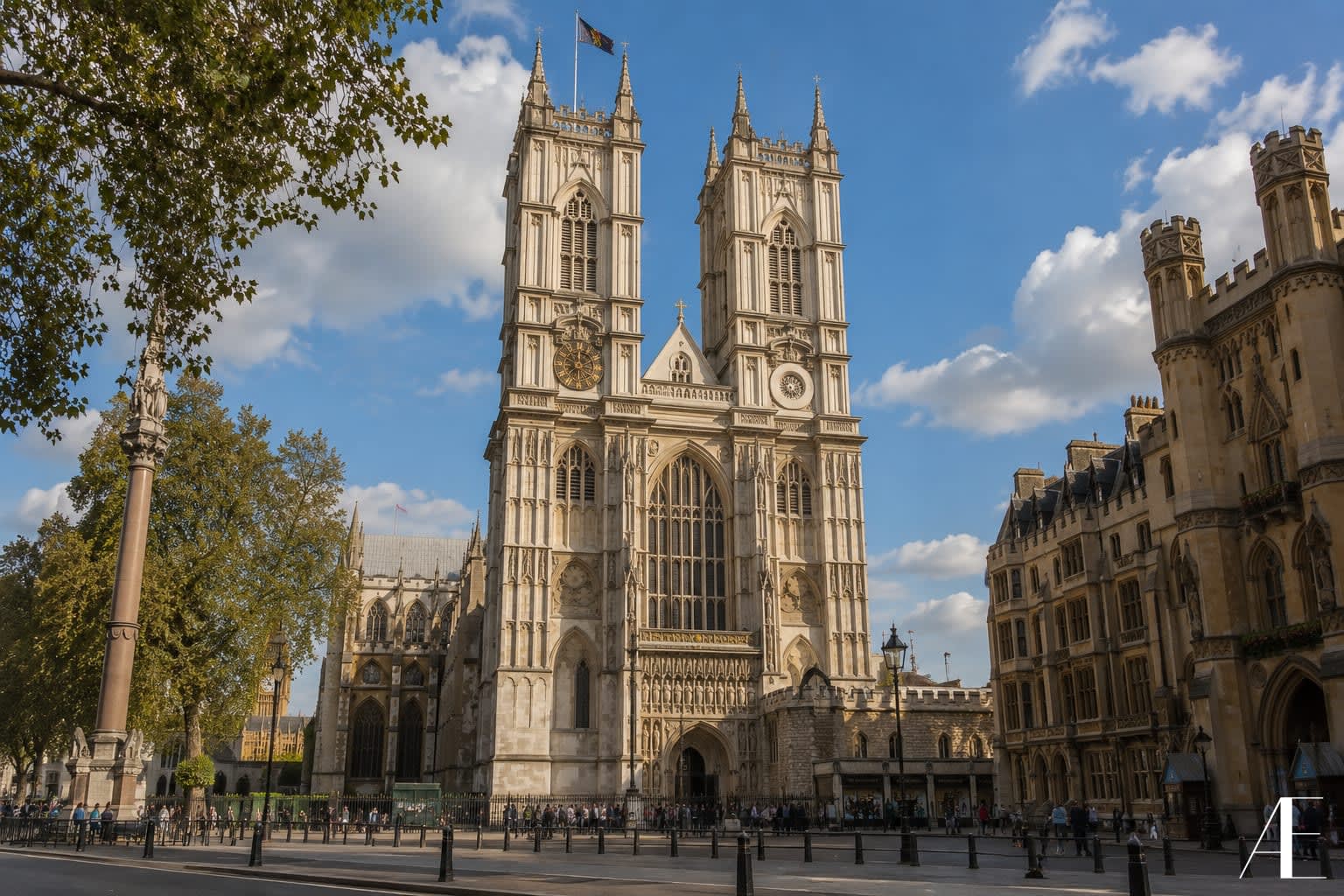
For Southampton, Tilbury, or Dover embarkations, the pre-cruise London stay is the entire point of the London portion of the trip. The structure depends on the number of nights and whether the client has been to London before.
Two nights pre-cruise (the absolute minimum)
This is the minimum that protects clients from jet lag and flight delays. It is not enough to see London properly.
- Day 1 (arrival): Land at Heathrow, Elizabeth line to a central hotel, check in, light lunch, a walk along the South Bank from Westminster Bridge to the Tate Modern in the late afternoon, an early dinner, and sleep.
- Day 2 (the full day): Tower of London at the first entry slot (book online in advance), lunch at Borough Market, Westminster Abbey in the afternoon (book online in advance), and a West End play or musical in the evening with an early pre-theatre dinner.
- Day 3 (transfer day): Breakfast at the hotel, taxi or train to Southampton (Waterloo to Southampton Central, approximately 80 minutes), board the ship.
Recommended hotel area: Bloomsbury, Covent Garden, or near Waterloo for easy Southampton transfer.
Three nights pre-cruise (the right minimum)
This adds a day that lets the city actually breathe.
- Days 1 and 2: As above.
- Day 3 (depth day): A morning at the British Museum or the National Gallery, an afternoon walk through one of the neighbourhoods (South Kensington for the museums, Notting Hill for the Saturday market, or Bermondsey for the food), and a final London evening at a serious restaurant.
- Day 4: Transfer to Southampton.
Recommended hotel area: As above. Three nights justifies a slightly nicer hotel choice.
Four to five nights pre-cruise (the first-time London client)
For clients who have never been to London and are about to cruise from Southampton, this is the right recommendation. Four to five days is the threshold where London opens up.
The structure: Westminster and the South Bank on day one; the Tower of London and the City on day two; the British Museum and a West End evening on day three; the V&A or Natural History Museum plus Notting Hill or Greenwich on day four; one final day for whatever the client is most drawn to (markets, theatre, neighbourhoods, royal residences). Then transfer to Southampton.
Recommended hotel area: South Kensington (for museum access) or Bloomsbury (for central location and value). Mayfair if the budget allows.
Post-cruise nights (the underused upsell)
Disembarkation mornings are rarely elegant. They are luggage-in-the-cruise-terminal mornings followed by a long transfer to an airport. For clients with the time, adding one or two nights in London after disembarkation transforms the end of the trip from a rushed exit into a graceful conclusion.
- Day 1 (post-disembarkation): Transfer from Southampton to London (approximately 80 to 90 minutes), check into a central hotel, late lunch, an unhurried afternoon, dinner.
- Day 2 (free day): Whatever the client wants to do, plus any London experiences they missed on the front end. A final theatre evening is the ideal conclusion to a British Isles or Northern Europe cruise.
- Day 3: Departure.
Agent note: Post-cruise nights are an easier upsell than pre-cruise nights because the client is already exhausted from the cruise and welcomes the slow re-entry. For luxury clients, the post-cruise London nights are where you book the most memorable hotel of the entire trip.
What Is Realistic in a Tilbury Port Call
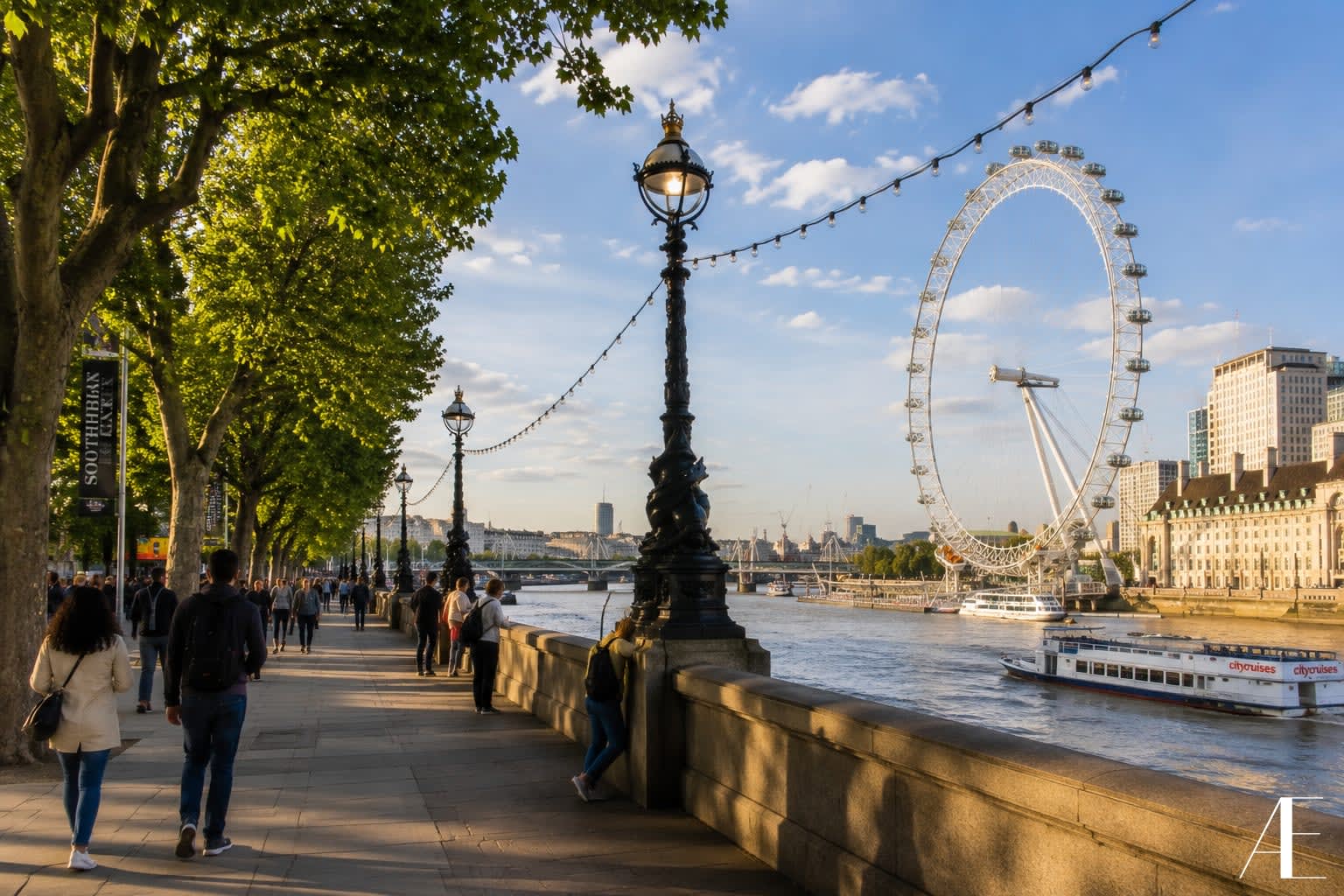
For ships that genuinely make a port call at Tilbury (rather than embarking or disembarking there), the practical window in central London is approximately six to seven hours, after deducting transfer time.
Option A: Westminster and the South Bank
Train from Tilbury Town to Fenchurch Street (40 minutes), Tube to Westminster, walk past the Houses of Parliament and Westminster Abbey, cross Westminster Bridge to the South Bank, walk east past the London Eye, the National Theatre, the Tate Modern, and Shakespeare's Globe to Tower Bridge, taxi or Tube back to Fenchurch Street, return train to Tilbury.
- Time required: approximately 5 to 6 hours in central London.
- Right for: First-time visitors who want the iconic London experience compressed into one day.
Option B: The Tower of London plus the City
Train from Tilbury Town to Fenchurch Street (40 minutes), walk to the Tower of London (10 minutes), pre-booked entry at the first available slot, lunch at one of the City restaurants or a pub, walk to St Paul's Cathedral via the Monument, cross the Millennium Bridge to the Tate Modern for the views from the tenth floor, taxi or Tube back to Fenchurch Street.
- Time required: approximately 5 to 6 hours.
- Right for: History clients, anyone who has been to London before but wants a focused day on the City of London.
Option C: The British Museum plus Covent Garden
Train from Tilbury Town to Fenchurch Street (40 minutes), Tube to Tottenham Court Road, two to three hours at the British Museum (pre-planned route to focus on highlights), lunch in Covent Garden, an afternoon walking Covent Garden, Soho, and Trafalgar Square, return Tube to Fenchurch Street.
- Time required: approximately 5 to 6 hours.
- Right for: Culturally engaged clients who want depth over breadth.
What Is Realistic in a Greenwich Port Call
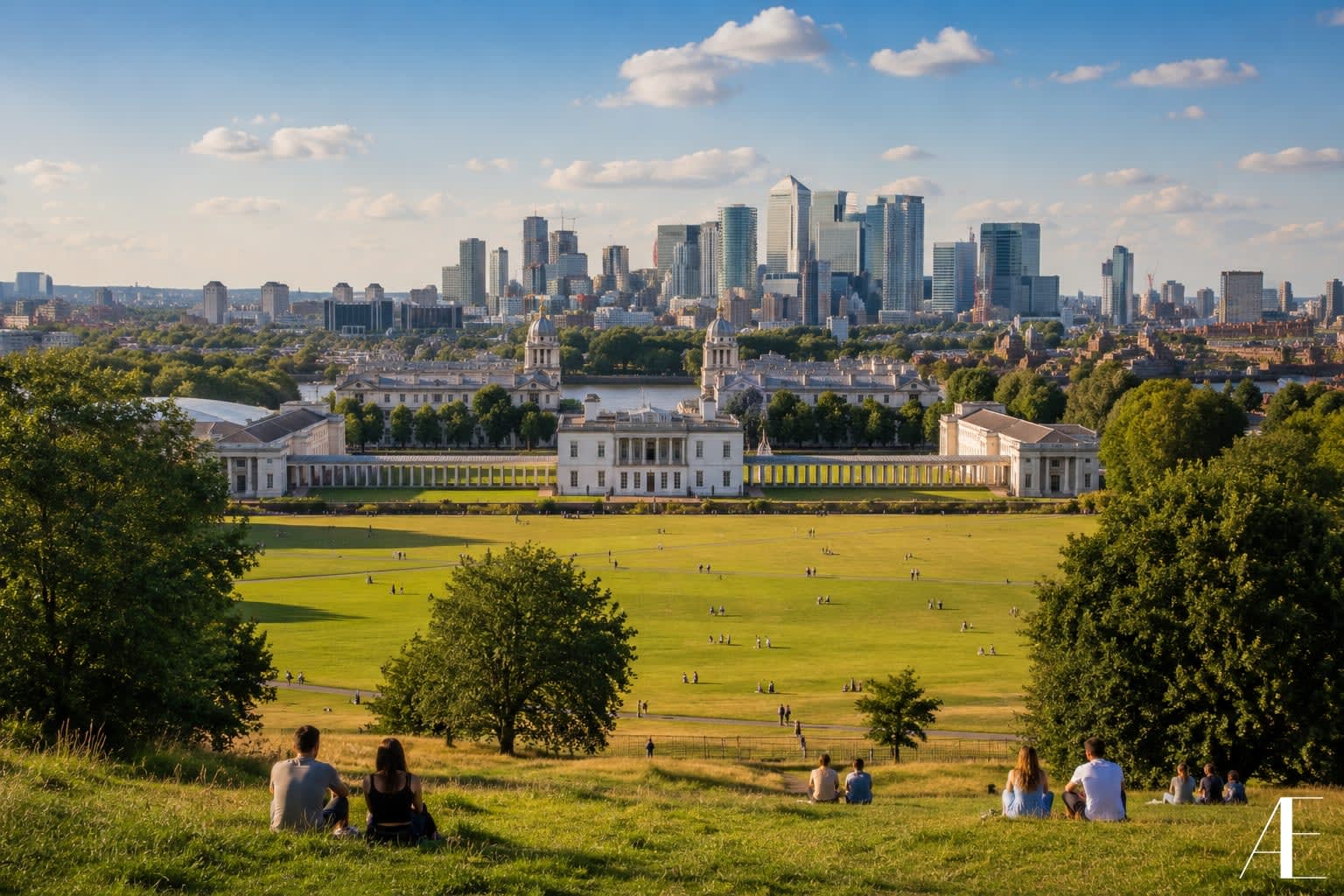
For smaller vessels berthing at Greenwich, the practical window is significantly larger because the transfer to central London takes only 25 minutes by DLR or 45 minutes by river boat, and Greenwich itself is genuinely worth half a day.
Recommended structure
Morning: Greenwich itself. The Royal Observatory (where the Prime Meridian is established at 0 degrees longitude), the Cutty Sark, the National Maritime Museum (free), the Queen's House, and Greenwich Park. Two to three hours.
Afternoon: River boat from Greenwich Pier to Westminster (45 minutes, scenic). Two to three hours in central London for the South Bank, a museum, or a neighbourhood visit. Return by river boat or DLR.
This is one of the most satisfying single-day London experiences possible from a cruise call.
Shore Excursions: What to Recommend
Best ship excursions
City highlights coach tour: Standard, covers the major sites, efficient but not deep. Suitable for clients who cannot walk long distances or who are nervous about independent London navigation.
Tower of London with guide: The most consistently recommended option for clients wanting a single major experience with context.
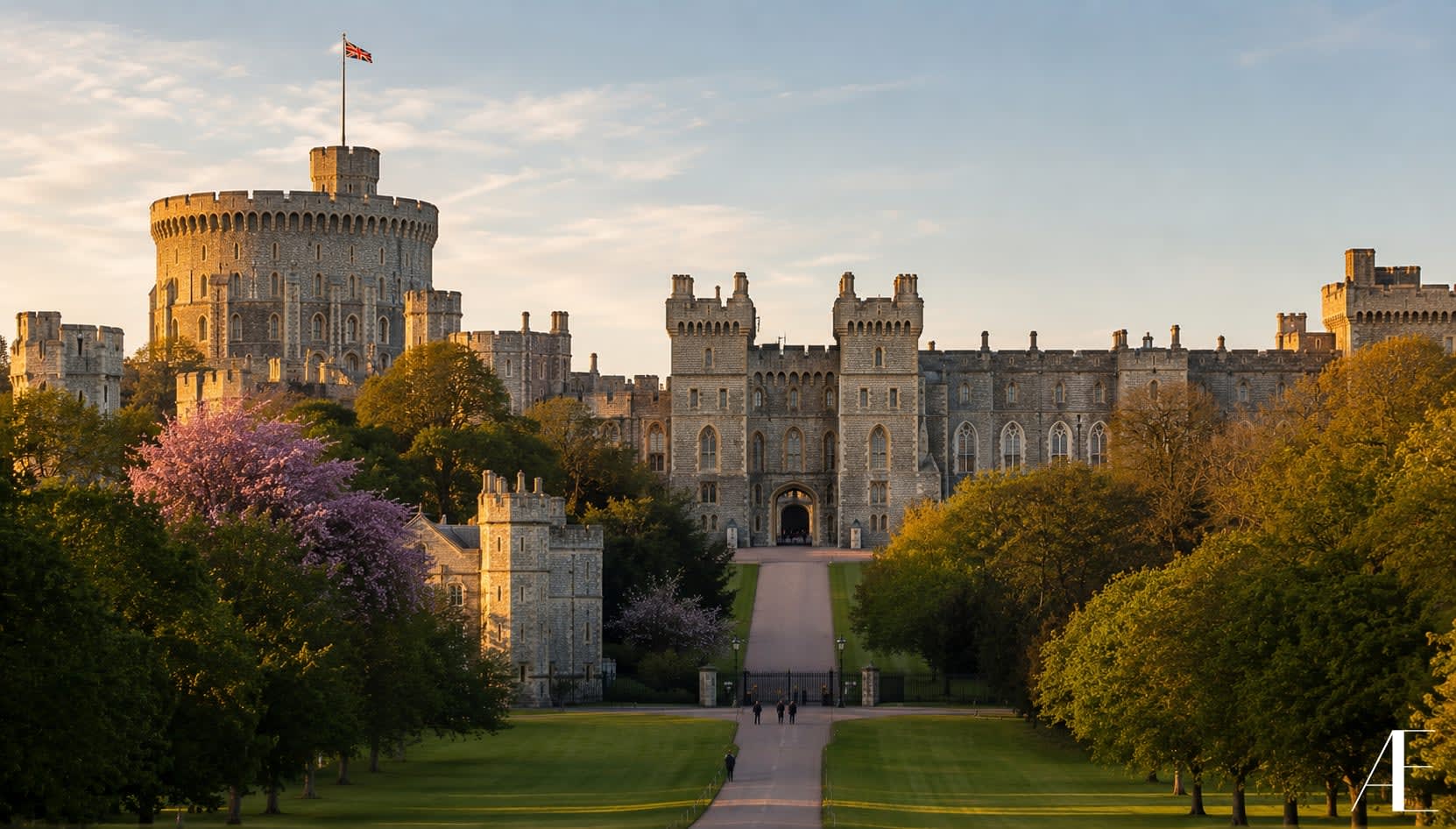
Windsor Castle day trip: A standard ship excursion. Windsor is 40 minutes from London by train (Heathrow side) and a strong half-day on its own.
Stonehenge and Salisbury day trip: Available on some longer port days. Significant drive time. Appropriate only if the call is 9 or more hours and there is genuine prehistoric or cathedral interest.
What to book independently
Book independently through GetYourGuide or Viator (to earn commission) or direct on the official sites.
- Tower of London: hrp.org.uk
- Westminster Abbey: westminster-abbey.org
- St Paul's Cathedral: stpauls.co.uk
- Buckingham Palace State Rooms (seasonal, late summer): rct.uk Royal
- Opera House: roh.org.uk
- West End theatre tickets: directly through producers or via TKTS Leicester Square for same-day discounts
Book through the ship
Coach-based tours for clients with mobility limitations Windsor, Stonehenge, or Bath day trips where logistics are complex
Self-guided (free, no booking required):
- The South Bank walk
- The British Museum
- The National Gallery
- The Tate Modern
- The V&A
- The Natural History Museum
- Trafalgar Square and Whitehall
- Borough Market (free to enter, pay only for food)
- Westminster
- Buckingham Palace exterior
- the changing of the guard Hyde Park
- St James's Park
- Green Park
What to Warn Clients About
- Distances are deceptive. London is not Paris or Amsterdam. Clients who try to walk between everything will exhaust themselves and miss most of it. The Tube is the answer. Plan the day in neighbourhood clusters.
- The Tube at rush hour. Avoid 7:30 to 9:30am and 4:30 to 7:00pm if possible. The Tube is genuinely crowded during these windows and uncomfortable with luggage.
- Pickpockets in tourist areas. The Tube around Westminster, Leicester Square, and Oxford Circus is a working environment for pickpockets. Keep bags in front, wallets in front pockets, phones secured. Standard urban awareness is sufficient.
- Pre-booking is essential. The Tower of London, Westminster Abbey, the Churchill War Rooms, and most major attractions now require timed-entry tickets booked online in advance. Summer queues for walk-up tickets are punishing or impossible.
- Theatre logistics. West End shows typically start at 7:30pm. Matinees usually at 2:30pm. Pre-theatre dinner reservations should be made for 5:30 or 6:00pm; post-theatre dinner is also possible but limited. Plan around the curtain.
- Heathrow on disembarkation day. If your clients are flying out the same day they disembark in Southampton, the transfer to Heathrow takes approximately 90 minutes by road and 2 hours by train (via Reading and the Elizabeth line). Build in significant buffer. Same-day-disembarkation flights are stressful and risky.
- The weather. Pack a waterproof and warm layers regardless of season. London rain is more frequent than it is heavy, but it is unpredictable.
- Tipping. Restaurant service charge is often added automatically (12.5 percent). Cash tips for taxis (round up or 10 percent) and hotel porters (1 to 2 pounds per bag) are standard.
- Power adapters. Type G three-pin plugs. North American visitors need adapters; most modern electronics handle the voltage automatically.
The Insider Detail That Make Agents Look Good
Choral Evensong at Westminster Abbey runs most weekdays at 5pm and is free to attend, with no booking required. It is one of the finest things you can do in London for free, and it is a working religious service rather than a tourist event, which means the atmosphere is genuine. The choir is one of the great cathedral choirs in the country. Arrive by 4:30pm to be seated. Phones off. Stay for the full hour.
Tell your clients this before they go. They will mention it for the rest of the trip, and they will tell every friend they have about the agent who recommended it.
Learn More

For the complete London destination guide, including the full seasonal breakdown, restaurant and hotel recommendations, client objections, and historical curiosities, see London: The Complete Agent's Guide in the Academy.
For the destination overview in under 5 minutes, see London: The Brief Overview.
For the sales playbook with discovery questions, client profiles, objection handling, upsell paths, and email templates, see London: The Pitch the Closes Deals.


Member discussion