
Dublin: The Pitch to Close Deals
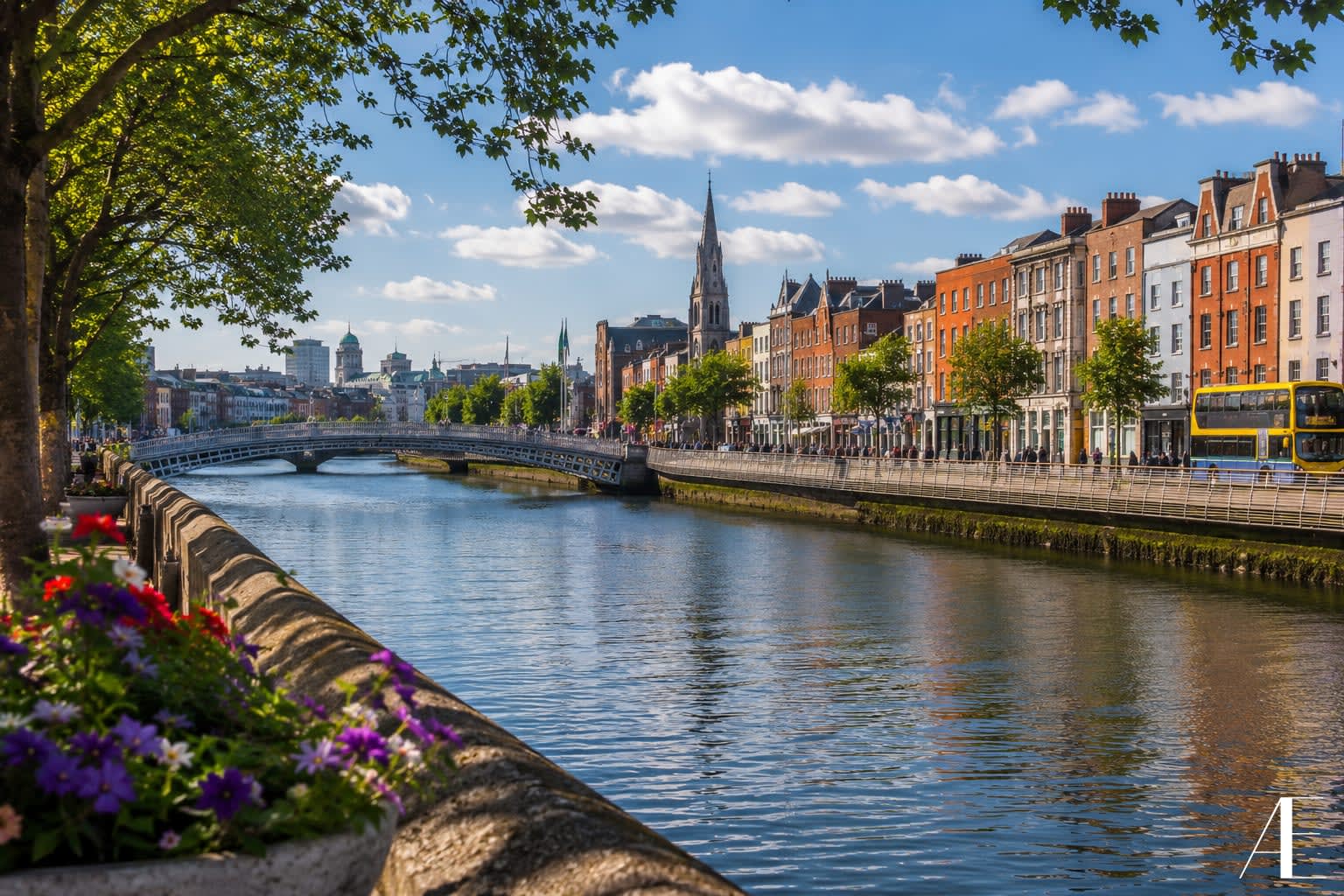
Dublin is the most consistently undersold capital city in Europe. Most agents pitch it as a one-night stopover, or as the gateway to "the real Ireland" out west, or as a literary curiosity. None of those framings does the city justice.
Dublin is a serious destination in its own right: a living capital with one of the great pub traditions, a literary inheritance unmatched by any city its size, and a food and design culture that has quietly become the equal of any in Northern Europe.
This guide is about selling it properly.
Before You Pitch: The Discovery Questions
Never pitch Dublin before you know which Dublin you are pitching. Ireland has a particular emotional resonance for North American clients, and the wrong angle will lose the booking even when the destination is right.
Ask these six questions before you say anything else
- Have they been to Ireland before, and what did they do?
Dublin-as-first-Ireland-visit and Dublin-as-return-visit are completely different sales. The first wants the iconic Dublin (Guinness, Trinity, Temple Bar). The second wants the Dublin that locals defend. - Are they cruising, land-touring, or both?
A pre- or post-cruise stay is sold against a completely different competing destination than a ten-day Ireland land trip. - Do they have Irish ancestry?
This is the question that opens the entire trip. Over 30 million Americans and 4.5 million Canadians claim Irish descent. For these clients, Dublin is rarely the whole answer, but it is almost always the right starting point. - What is their pub tolerance?
This matters. Dublin's pub culture is genuine and central to the city's identity, but it is not a cocktail-and-quiet-corner culture. Clients who do not drink at all can still have an excellent trip, but they need to be sold differently. - Are they walkers?
Dublin is flatter and easier on the feet than Edinburgh, but it is still a walking city. Confirm capability before pitching. - What is their relationship to literature?
Dublin is a UNESCO City of Literature for a reason. Joyce, Yeats, Wilde, Beckett, Heaney, Sally Rooney. The literary client buys differently than the heritage client.
These six questions take three minutes. They are the difference between a generic pitch and a closed sale.
The Five Clients Who Buy Dublin
Almost every Dublin booking maps to one of five client profiles. Identify the profile first, and the pitch writes itself.
The Irish-Descent Client
The largest single Dublin buyer in the Canadian and American markets. They may have a specific county connection (Cork, Galway, Mayo, Donegal) or they may simply know that their great-grandmother left in the 1880s and never came back. The emotional weight of this trip is significant before they have even booked.
What they want: Connection. The trip is a return, even though they have never been.
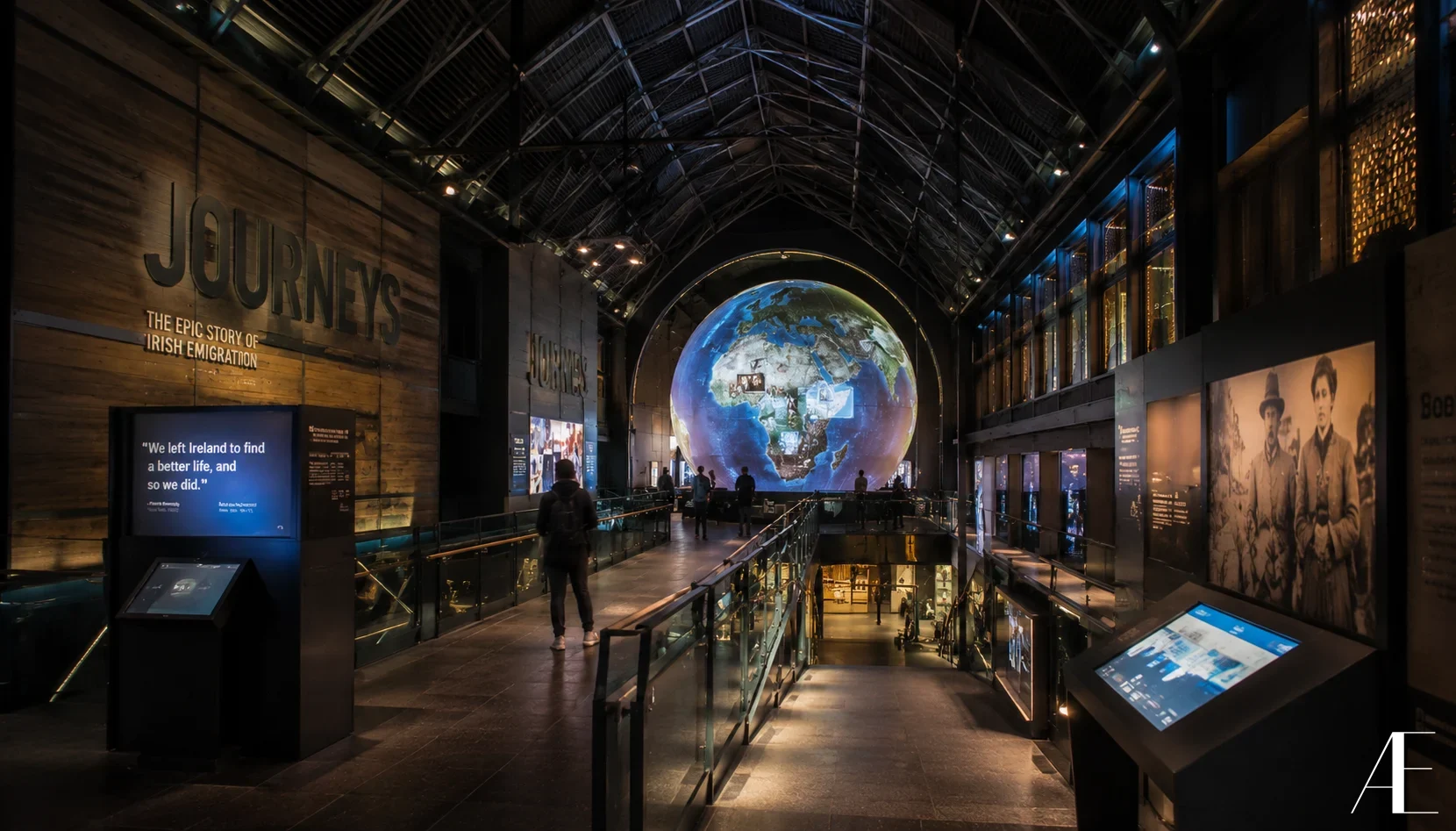
The pitch: Dublin is the start of the journey, not the destination. You will fly into the city where almost every Irish emigrant departed from, walk through the immigration museum at EPIC, find your county records at the National Library, and then head west or south to the country your family actually came from.
The Dublin part is shorter than people expect, three or four nights, but it is the part that makes everything else make sense. Without Dublin, the trip is a vacation. With it, it is the trip your family has been waiting for.
The upsell: This client almost always extends. Add the West (Galway, Connemara, the Aran Islands), the Southwest (Cork, Kinsale, the Ring of Kerry), or the Northwest (Donegal, Sligo) depending on family origin. Ten nights minimum total trip. The county-specific itinerary is the upsell.
Agent note: For Quebec and Maritime Canadian clients specifically, the Grosse-Île and Famine emigration narrative is the entry point. Many Quebec clients with surnames like O'Brien, Murphy, Ryan, Kelly, or Doyle do not realise their families came through the St. Lawrence quarantine station in 1847. EPIC covers this. The trip becomes deeply personal once they understand the connection.
The Literary Client
Usually 40+, reads serious fiction, may teach or work in publishing, considers Joyce or Beckett or Heaney part of their personal canon. May have a specific literary pilgrimage in mind (Bloomsday, Yeats country, the Dublin Writers Museum).
What they want: A city that takes its literature seriously, and infrastructure that lets them walk through it.
The pitch: Dublin is the only English-speaking city outside London that has produced four Nobel laureates in literature, and unlike London, the city has not buried them under property prices. You can walk from Trinity College's Long Room (one of the most beautiful libraries in the world) to the Joyce Tower at Sandycove (where Ulysses opens) to Sweny's Pharmacy (still selling lemon soap, exactly as Bloom buys it in the novel) in a single day.
The Dublin Writers Museum, the MoLI (Museum of Literature Ireland), and the National Library's Yeats exhibition are all serious institutions. For the literary client, Dublin is the city. Not Paris, not London. Dublin.
The upsell: Add Sligo for Yeats country, or Galway and the Aran Islands for Synge and the Western literary tradition. A Bloomsday trip (June 16) requires its own dedicated planning and is an entirely separate sale.
Common objection: "Will my non-reading partner enjoy it?" Yes, easily. Dublin is also a food, music, and pub city. The literary spine is the structure, not the whole trip.
The Foodie
Usually 35 to 60 years old, urban, has eaten well in Copenhagen and Lisbon, and is sceptical that Dublin belongs in that conversation. They are wrong, and the pitch is about telling them so.
What they want: Real food, real provenance, and to be surprised.
The pitch: Dublin's food scene has transformed in the last decade and the international press has not caught up. Chapter One holds two Michelin stars and is one of the most refined restaurants in the British Isles. Liath in Blackrock is two-starred and uncompromising. Mr. Fox, Variety Jones, Pichet, Etto, all serious. The Irish produce is exceptional: cold-water seafood from West Cork, Burren lamb, grass-fed beef, farmhouse cheeses that compete with anything in France.
The drinking culture is also evolving, with cocktail bars (the Blind Pig, the Liquor Rooms) and a craft beer scene that runs alongside the traditional pubs. Dublin eats better than your client expects. Significantly better.
The upsell: Pair Dublin with a food-focused trip to West Cork (Ballymaloe, Kinsale, Skibbereen) or the Burren (Burren Smokehouse, Aniar in Galway). Five nights Dublin plus four nights in the food country.
Common objection: "Isn't it all just potatoes and stew?" 1990s stereotype. Lead with the chefs and the Michelin count.
The Cruise Add-On Client
Booking a British Isles, Northern Europe, or transatlantic cruise that calls at Dublin or embarks/disembarks there. The cruise is already sold. The question is whether to add nights.
What they want: To not waste the trip. They suspect one day is not enough.
The pitch: Dublin on a cruise day gives you Trinity, the Book of Kells, maybe a pint at the Guinness Storehouse, and back to the ship by six. It is a teaser.
Add three nights pre- or post-cruise and you get Dublin properly: an evening in the Liberties, dinner in a serious restaurant, time at the Chester Beatty Library (one of the best small museums in the world and almost no cruise passengers ever see it), and an unhurried morning walking through Stephen's Green and Merrion Square. The cruise day is a postcard. The land stay is the actual visit.
The upsell: Three nights minimum pre- or post-cruise. For clients with Irish heritage, four to six nights pre-cruise with a side trip to the family county before joining the ship.
Agent note: Cruise calls at Dublin can use either Dublin Port (in the city) or Dún Laoghaire (south of the city). The transfer logistics are not equivalent. See Dublin: The Cruise Connection for the operational details. This matters at the booking stage for shore excursion timing.
The Pub-and-Music Client
Usually 30 to 55, looking for atmosphere, conversation, and traditional music. May be a returning visitor who fell in love with Ireland on a previous trip. This is the easiest emotional sell and one of the most loyal client profiles.
What they want: Authentic Irish music, conversation, and the pub culture done properly.
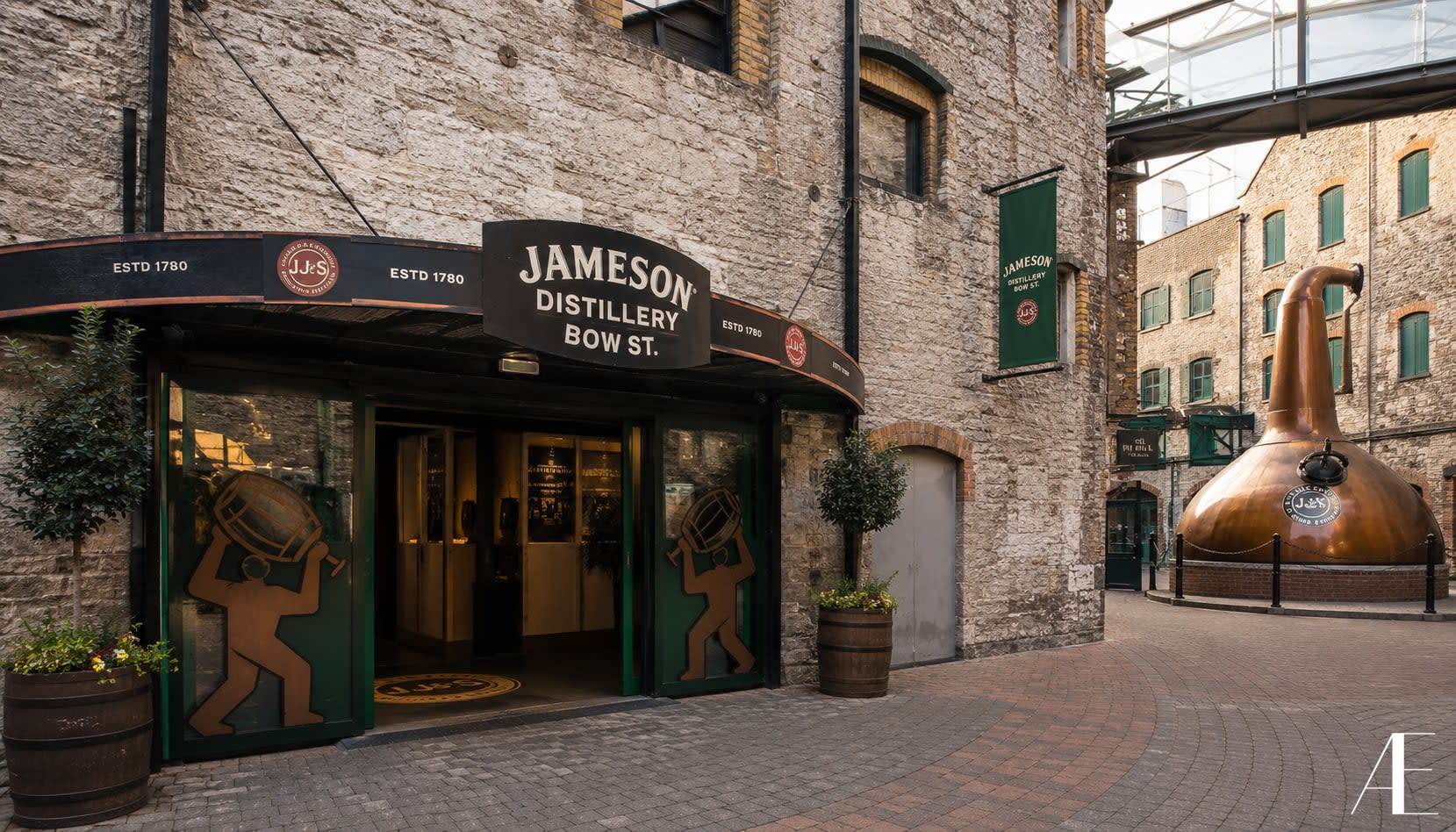
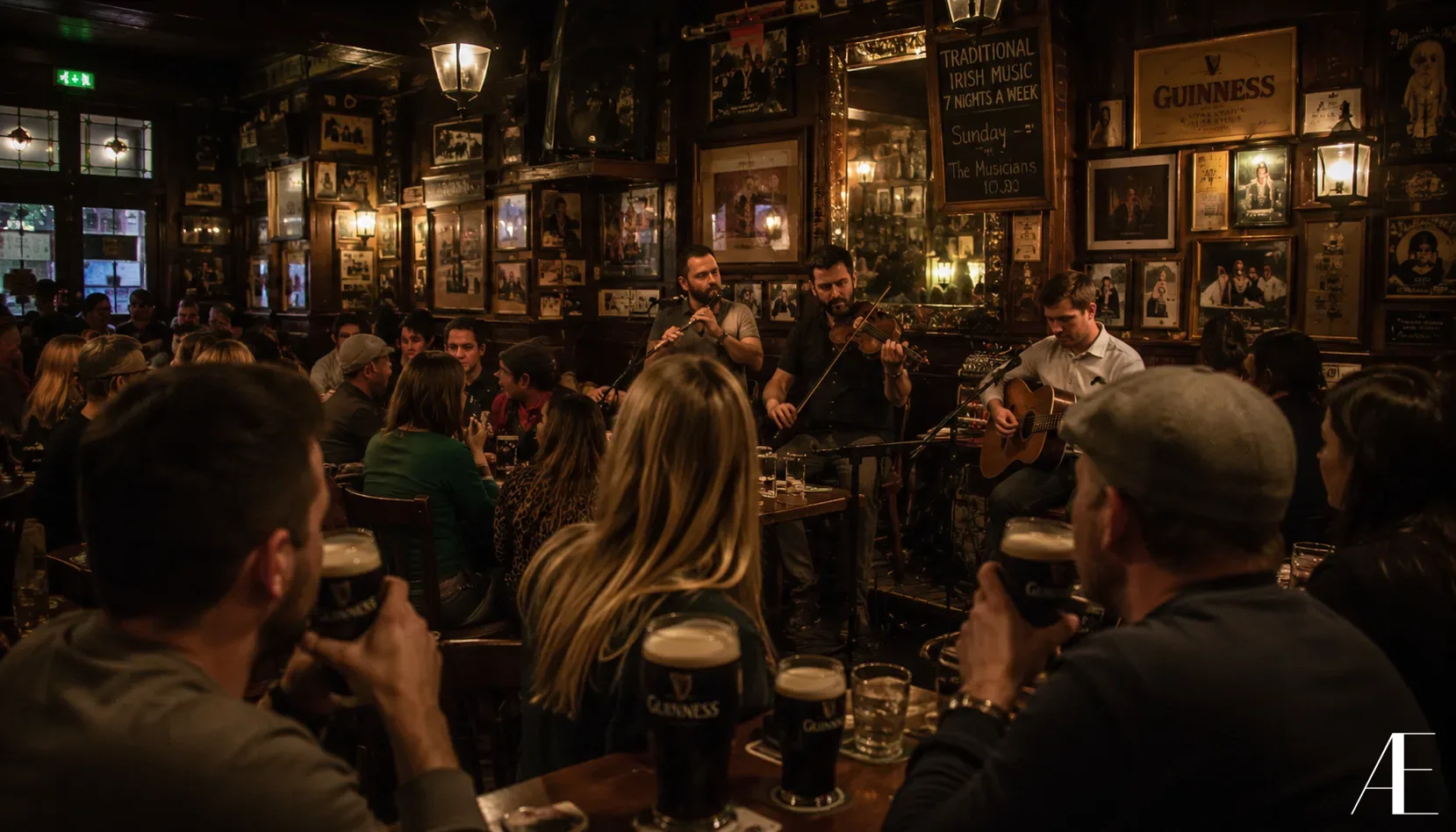
The pitch: Dublin's pub tradition is the genuine article, and it is not what your client will find in a Temple Bar tourist trap. The Cobblestone in Smithfield has trad music sessions seven nights a week, played by the best musicians in the city.
O'Donoghue's on Merrion Row is where the Dubliners (the band) got their start and still hosts sessions. Mulligan's of Poolbeg Street is essentially unchanged since 1782 and pours a famously perfect pint of Guinness.
The right pub for the right night is part of what your client is paying you to know. Send them to the Cobblestone on a Wednesday and they will tell their friends about that evening for the next five years.
The upsell: Add Galway (the trad music capital, especially Tigh Coili and the Crane Bar) and a weekend during a fleadh or Galway International Arts Festival. The trip becomes a music pilgrimage. Pair with a Doolin overnight for the West Clare trad scene.
Common objection: "Will it be too crowded with stags and tourists?" The answer is curation. The Temple Bar district has earned its reputation. The pubs the locals actually drink in are mostly outside it, and that is what you are selling.
The Objections (and How to Handle Them)
These are the objections that come up in roughly this order of frequency. Each has a real answer.
Isn't Dublin just a stopover before the countryside?
The most common objection, and the most damaging to commission. Almost every Ireland agent loses three to five nights of revenue per booking by accepting this framing without pushback.
The answer: Dublin is a serious capital city with two Michelin two-star restaurants, a UNESCO literary designation, one of the great museum collections in Europe (the National Museum of Ireland is free and outstanding), and a nightlife culture that competes with any city its size.
The 'real Ireland is in the countryside' line is something Americans started saying in the 1960s and it has stuck. Dublin is real Ireland. It is also where 28% of the country actually lives. Treat it as a destination, not a transit point, and your clients will come back with the trip they actually wanted.
Three days is enough, right?
Three days is enough if Dublin is functioning as a gateway. Three days is not enough if it is functioning as a destination.
The answer: Three days covers Trinity, the Book of Kells, the Guinness Storehouse, a Temple Bar evening, and a half-day at Kilmainham Gaol. You will have seen iconic Dublin.
Five days is when the city opens up: an evening in the Liberties, the Chester Beatty Library, EPIC, a day trip to Howth or Glendalough, time in the Georgian squares without an agenda, the dinner reservation at Chapter One. For most Ireland trips, four nights Dublin is the sweet spot. Less than three and you are using the city as a transit lounge.
Why Dublin over Edinburgh?
This comes up for first-time British Isles visitors choosing one anchor city.
The answer: Both are excellent, and very different. Edinburgh is visual, architectural, dramatic; it is a city of views and stone and history you can see. Dublin is auditory, social, literary; it is a city of conversation and music and history you have to listen for.
Edinburgh is the city of kings and philosophers. Dublin is the city of writers and rebels. If your client wants drama and walking, lead with Edinburgh. If they want atmosphere and people, lead with Dublin. For the right itinerary, do not choose... combine them across a British Isles trip, ten nights minimum.
Does it really rain that much?
Yes, more than they think. And it does not stop locals from going out.
The answer: Dublin gets rain in every month of the year. It rarely pours for long... it often drizzles. The Irish word for it is 'soft' weather and they mean it kindly.
Locals carry a folding waterproof and an attitude. Plan around the weather, not against it... pubs, museums, restaurants, and bookshops are interior activities and Dublin has them in abundance. A wet morning is a long breakfast and a museum. A wet afternoon is a pub. The weather is not the obstacle clients think it is.
Isn't Temple Bar a tourist trap?
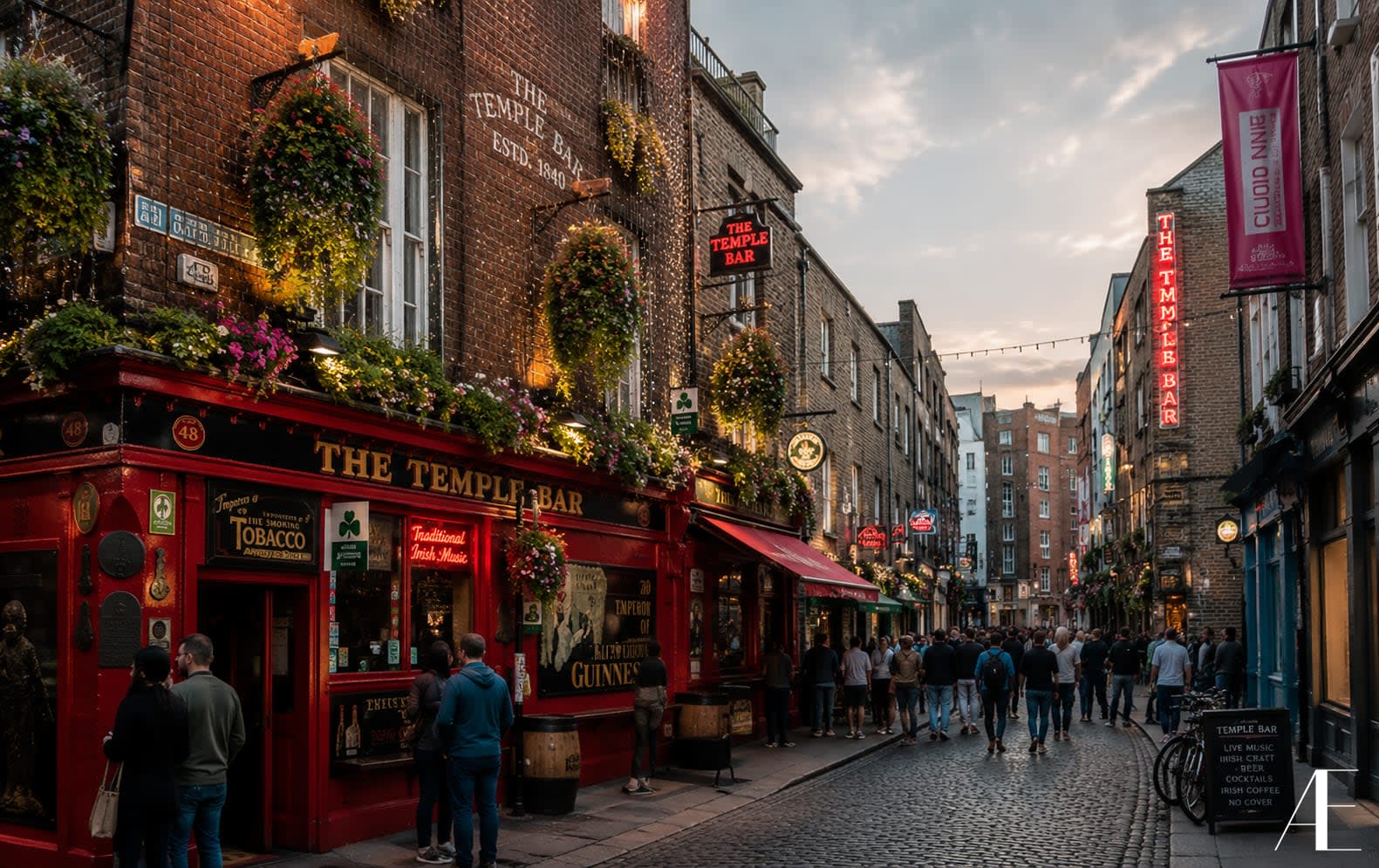
Yes, mostly. The answer is not to defend it but to redirect.
The answer: Temple Bar by day is genuinely interesting: the design and craft shops, the food market on Saturdays, the cobbled streets. Temple Bar by night is largely for British stag parties and tourists who do not know better, with €9 pints and indifferent music.
For the actual Dublin pub experience, your clients want the Cobblestone in Smithfield, O'Donoghue's on Merrion Row, Mulligan's of Poolbeg Street, or Grogan's on South William Street. Walk through Temple Bar in the afternoon. Drink elsewhere at night. That is what locals do.
Is it safe?
Dublin is generally very safe, with caveats. The answer should be honest.
The answer: Dublin is a safe city by international standards, with the standard urban precautions. The city centre after dark on a Friday or Saturday can get rowdy, especially around Temple Bar, with public drinking and occasional fights between stag parties. This is loud rather than threatening.
Pickpocketing happens in tourist areas; standard awareness is sufficient. Late-night O'Connell Street and the immediate surrounds can feel uncomfortable for some clients; recommend taxis after midnight. Outside these specifics, Dublin is comparable to Quebec City or Boston in safety terms.
Will my clients understand the accent?
Mostly yes, with practice.
The answer: Dublin English is among the more accessible Irish accents, especially in the city centre. Working-class North Dublin (sometimes called Dublinese) takes an ear to adjust, but your clients will rarely be in a situation where they need to follow it precisely.
Rural Irish accents, especially Cork and Kerry, are harder. Northern Irish (Belfast and Derry) is its own challenge. Reassure clients: they will be fine in Dublin. They might miss a joke or two. That is part of the trip.
Is Northern Ireland safe to visit?
This comes up because clients are nervous about the Troubles even though the Good Friday Agreement is over twenty-five years old.
The answer: Northern Ireland is entirely safe to visit and has been for over a generation. Belfast is one of the most interesting cities in the British Isles right now: serious food scene, the Titanic Quarter, the political murals tour (which is moving and important), and the gateway to the Causeway Coast. Derry is smaller and even more rewarding for the right client.
Northern Ireland is part of the UK, uses sterling, and has its own ETA requirement for Canadian and American visitors. For a Belfast + Dublin trip, the cross-border train is straightforward and takes about two hours."
The Upsell Paths
Dublin is rarely the whole trip. The structured upsell is where the commission compounds.
Dublin & the West (Galway and Connemara)
Dublin & the West (Galway and Connemara) is the most popular Irish itinerary. Four nights Dublin, three nights Galway, with day trips to the Cliffs of Moher, the Aran Islands, and Connemara National Park.
The right client: first-time Ireland visitors, anyone wanting the iconic landscape experience.
Dublin & the Southwest (Cork, Kinsale, Ring of Kerry)
Dublin & the Southwest (Cork, Kinsale, Ring of Kerry) is the food-and-coast option. Four nights Dublin, three to four nights split between Cork city, Kinsale, and a Killarney or Kenmare base for the Ring of Kerry.
The right client: foodies, garden lovers, slow-travel clients.
Dublin & the Northwest (Sligo, Donegal)
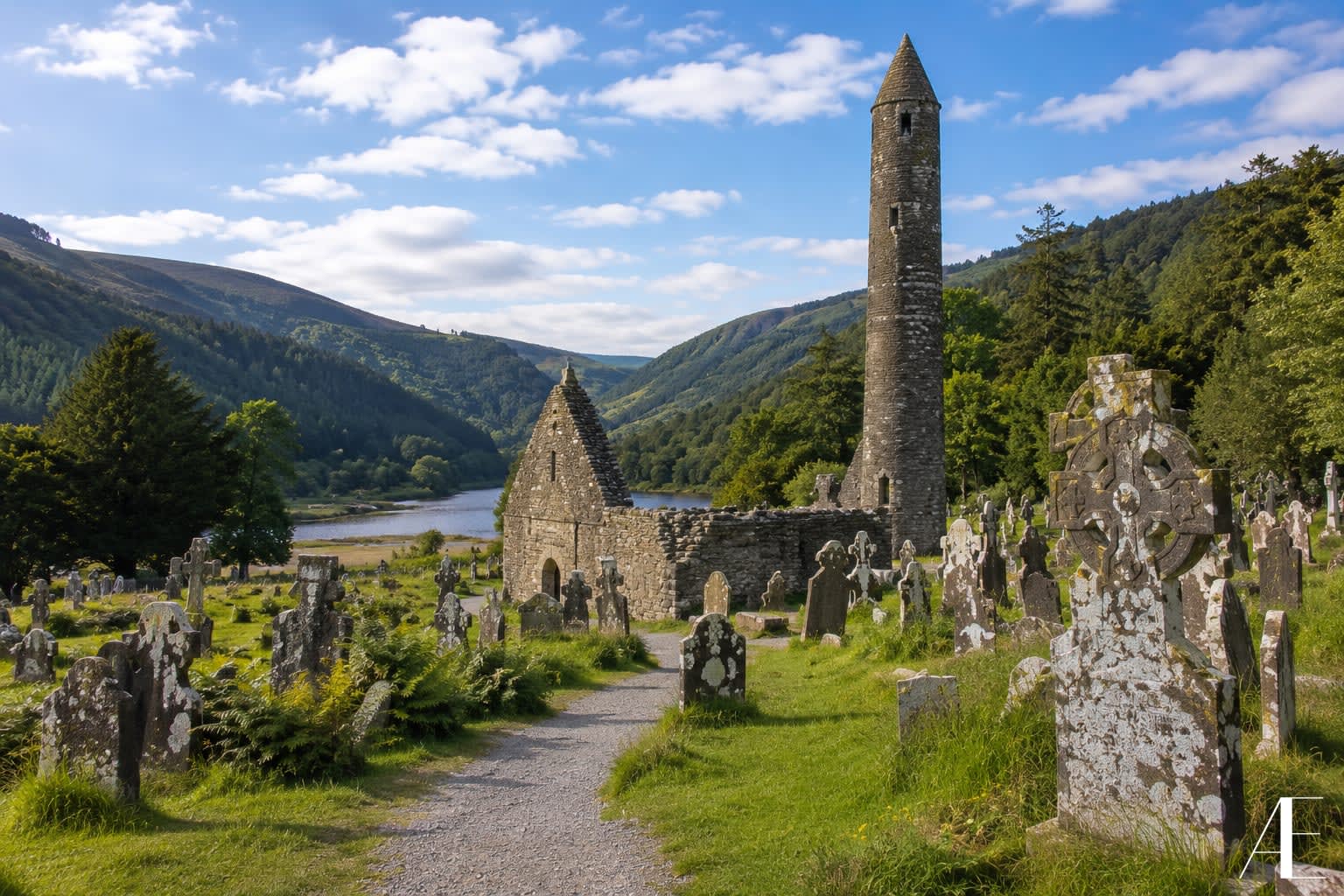
Dublin & the Northwest (Sligo, Donegal) is the underrated literary and landscape route. Four nights Dublin, three to four nights based in Sligo or Donegal town. Yeats country, the Slieve League cliffs (higher than the Cliffs of Moher and significantly less crowded), and some of the most genuinely traditional Irish-speaking communities in the country. The right client: returning Ireland visitors, literary clients, anyone who wants Ireland without the coach tours.
Dublin, Belfast & the Causeway Coast
Dublin, Belfast and the Causeway Coast is the cross-border option. Four nights Dublin, three nights in Belfast or split between Belfast and a Causeway Coast base (Bushmills, Portrush). The Titanic Quarter, the Giant's Causeway, Dunluce Castle, and the Causeway Coastal Route. The right client: history clients, photographers, anyone with mixed Northern/Southern Irish heritage.
Dublin & a county-specific heritage base
Dublin & a county-specific heritage base is the genealogical upsell. For the Irish-descent client, identify the specific county of origin and base for two to three nights nearby with a private genealogy researcher or driver-guide. The trip becomes the trip of a lifetime.
The Cross-Sell Paths

These are the multi-city itineraries to position when the client is open to more than one destination.
The British Isles Triangle
London, Edinburgh & Dublin. Ten to fourteen nights. The single best first-time-to-Britain-and-Ireland itinerary on the market. Trains and short flights connect everything easily.
The Celtic Crescent
Dublin, Galway, Belfast, Edinburgh & Glasgow. Two weeks minimum. For clients with deep Celtic heritage, mixed Irish and Scottish ancestry, or a serious interest in the music and literary traditions of both islands.
The Atlantic Way
Dublin & a full Wild Atlantic Way drive, ending in Cork or Galway. Ten to fourteen nights. For clients who want the iconic Ireland road trip with a proper Dublin start.
The Cruise Anchor
Dublin as the pre- or post-cruise stay for a British Isles or transatlantic cruise. Dublin works particularly well as a post-cruise stay before a Canadian or American return flight, since direct service from DUB to YUL, YYZ, JFK, EWR, BOS, and ORD is excellent and the city is a graceful end to a longer trip.
The Email Templates
Three templates to adapt. Each should be customised to the client and the discovery answers, but the structure works.
Template 1: The Initial Pitch (after discovery call)
Subject: Dublin, the trip we discussed
Hi [name],
Thinking about our call yesterday. Based on what you told me about [first-time Ireland / returning visitor / cruise add-on / family connection], Dublin is the right anchor for this trip, and here is why.
[Two to three sentences from the relevant client-profile pitch above, customised.]
What I would suggest: [number] nights in Dublin, anchored at [hotel category], with [day trip / regional extension] built in. Total trip length [X] nights, ballpark investment [range], best months [based on discovery].
I will put together a proper proposal once you confirm direction. Two quick questions before I do:
- [Question about ancestry, county connection, or specific interests]
- [Question about cruise component, music/pub preferences, or budget anchor]
Looking forward to building this one.
[Signature]
Template 2: The Cruise Add-On Pitch
Subject: Your [cruise line] itinerary, one suggestion
Hi [name],
One thought on your [ship name] sailing in [month]. The itinerary calls at Dublin on [date] for a single day. That day will give you the Book of Kells, a quick Guinness Storehouse visit, and back to the ship by six.
Dublin deserves more than that. I would strongly suggest adding three nights pre-cruise, flying into Dublin directly and joining the ship in [embarkation port] from there. You would get the city properly: a serious dinner, an evening at the Cobblestone for trad music, an unhurried morning at the Chester Beatty Library and a walk through Stephen's Green, time at EPIC if there is any family history to explore. The ship day then becomes a confirmation, not a first impression.
The pre-cruise stay typically adds [range] to the total trip cost and is the part most clients tell me they remember most. Want me to price it out?
[Signature]
Template 3: The Heritage Pitch
Subject: Dublin, and the road to [county]
Hi [name],
Thinking more about our conversation. The [surname] name traces back to [county / region], and from Dublin you are within a half-day's drive of the country your family came from.
Here is what I would suggest:
Three nights in Dublin to start, including a half-day at EPIC (the emigration museum) and time at the National Library to look at the parish records for [county]. Then three to four nights based in [regional hub], with a private driver-guide for one day to explore the specific area your family is from, the parish church, the local cemetery, and any townland records still accessible. Return to Dublin for a final night before departure.
This is the trip that completes the story your family has been telling for four generations. It is also one of the most meaningful itineraries I sell.
Let me know if you would like to see the full proposal.
[Signature]
When NOT to Sell Dublin
The hardest part of advisor work is telling a client their idea is wrong. Dublin is wrong for some clients, and saying so builds more trust than any pitch ever will.
Skip Dublin for sun-and-beach clients. Obvious but worth saying. The Irish weather is part of the city's character and your client should expect grey skies and soft rain, not Mediterranean sun. If they want the latter, sell the Algarve.
Skip Dublin for clients who genuinely do not drink and dislike pub atmospheres. Dublin can be sold to non-drinkers, but the heart of the city's social culture is the pub, and clients who actively dislike that environment will find the city less rewarding than its reputation promises. For these clients, Edinburgh or Copenhagen is a better fit.
Skip Dublin as the only stop for clients with deep Irish heritage. Counterintuitive but important. For the client who has spent decades imagining Ireland, three nights in Dublin and home is a disappointment waiting to happen. They need the country, not just the capital. Either sell the full trip or do not sell Ireland at all.
Skip Dublin for clients who want dramatic landscape over urban culture. Dublin is a city, with city pleasures. Clients whose primary motivation is the Wild Atlantic Way, the Burren, or the Cliffs of Moher should base outside Dublin, in Galway or Doolin or Killarney, with Dublin as a brief gateway only.
Skip Dublin in deep winter for clients sensitive to short days. Seven and a half hours of daylight in December. Beautiful for some, depressing for others. Ask honestly.
Saying these things, in plain language, is the act of a specialist. Clients will trust the destinations you recommend more once they have heard you turn one down honestly.
The Close
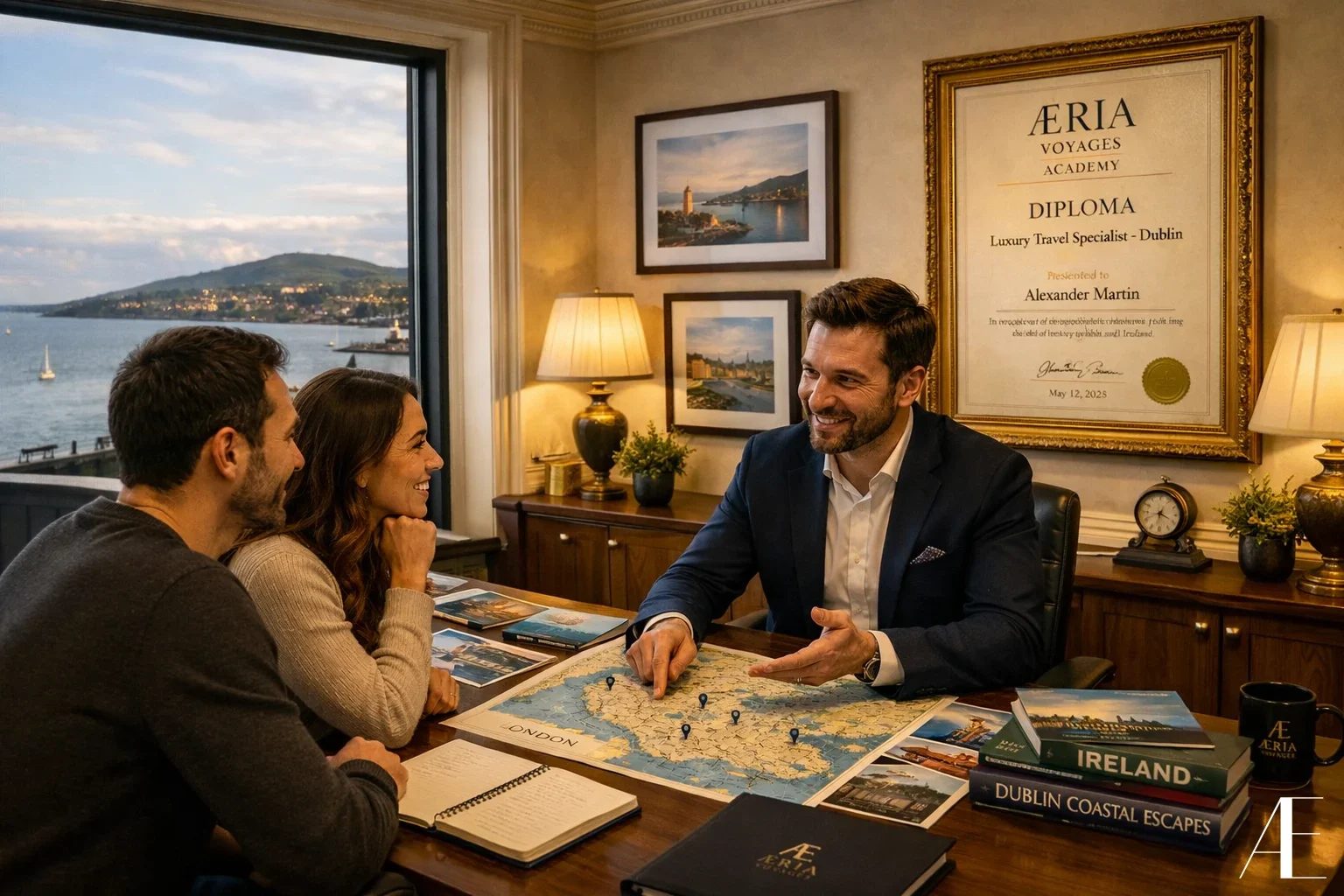
Closing a Dublin booking is rarely about clever language. It is about positioning the city correctly for the specific client in front of you, handling two or three objections without flinching, and offering a structured proposal within twenty-four hours of the discovery call.
The clients who book Dublin properly are not impulsive. They are often returning to a country they have always wanted to see, or completing a family story, or upgrading from a previous one-night stopover to the trip they should have taken the first time. They are looking for an advisor who treats Dublin as a destination, not a connecting flight.
Be specific. Name the pubs. Name the restaurants. Tell them about the Sweny's Pharmacy lemon soap, and the Cobblestone on a Wednesday night, and the way the light comes through the Long Room at Trinity in late afternoon. Tell them about the Chester Beatty and the silence of Glasnevin Cemetery and the fact that the Book of Kells is shown one page at a time and the page they see is whichever page it happened to be turned to that day.
The clients who hear that pitch "this is what your trip will actually feel like, told by someone who knows the city" book. Not always immediately. But they book.
This is part of the ÆRIA Voyages Academy series on Dublin.
See also:


Member discussion