
Paris: The Brief Overview
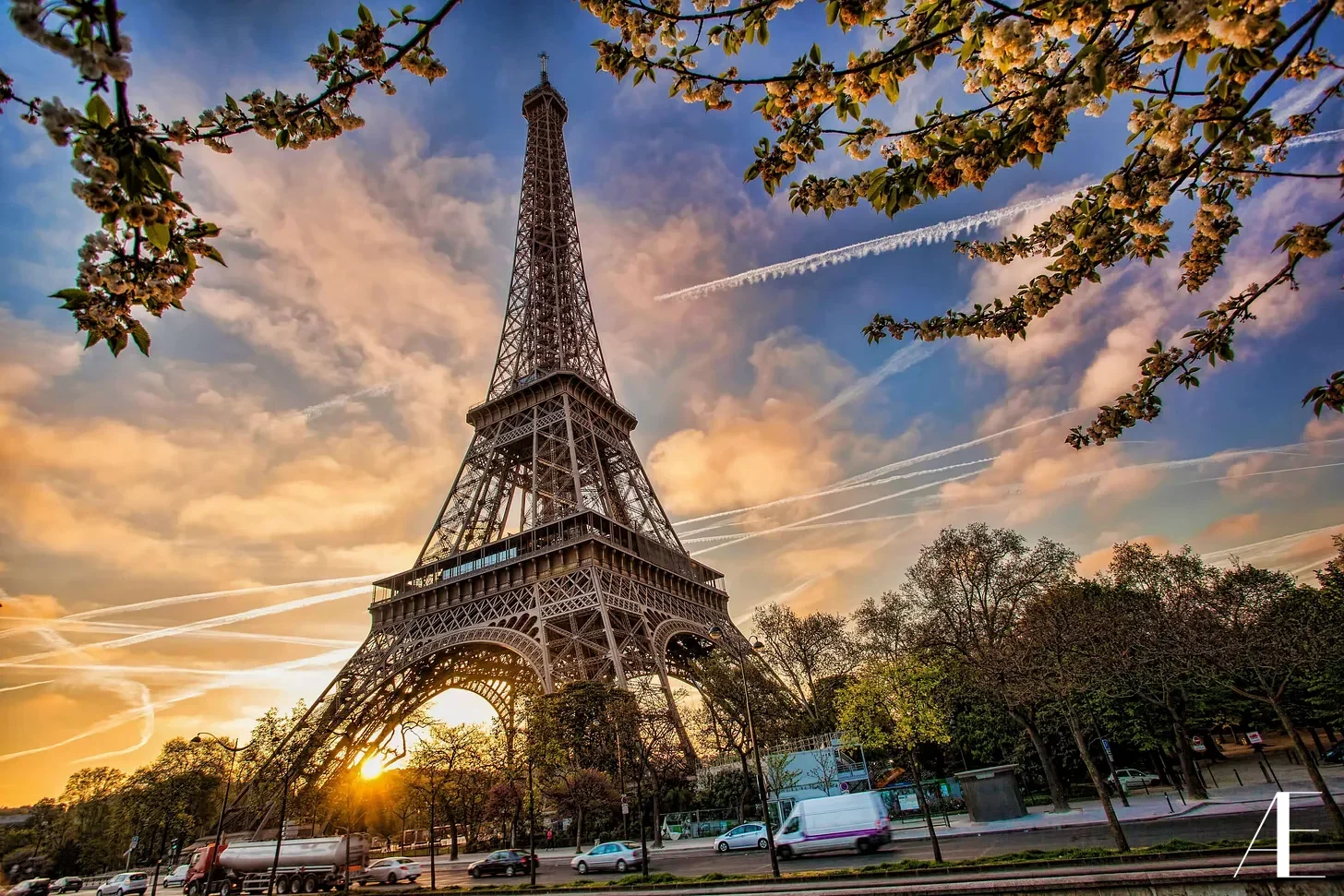
Paris is the capital of France: a city of approximately 2.1 million people in the city proper and 12 million in the wider metropolitan area, that has been continuously inhabited and continuously reinventing itself for more than two thousand years...
What Paris Is
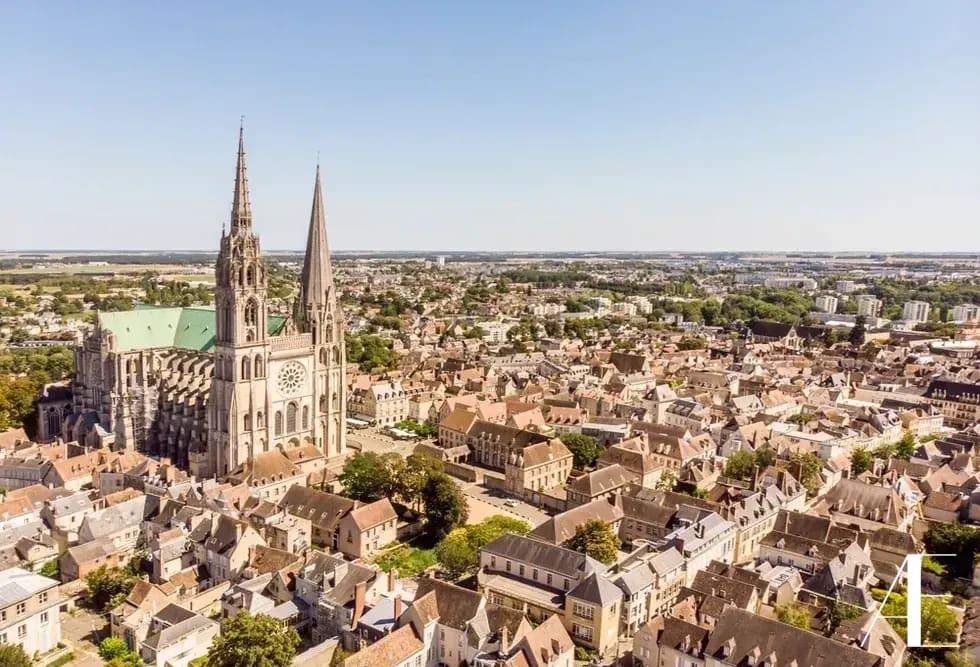
Paris is the capital of France: a city of approximately 2.1 million people in the city proper and 12 million in the wider metropolitan area, that has been continuously inhabited and continuously reinventing itself for more than two thousand years. It sits on the River Seine in north-central France, roughly 200 kilometres inland from the English Channel.
It is one of the world's three great cultural capitals, the most visited city on earth by international arrivals, and the global benchmark for what an urban experience is supposed to feel like. For a travel agent, Paris is the most romanticised destination in Europe and one of the easiest to sell badly. Almost every client carries a mental image of Paris formed by film, fashion, food and a century of cliché; the difference between a mediocre Paris trip and a great one is almost entirely a matter of which neighbourhoods the agent steers them toward, which days they go where, and how much patience the itinerary builds in.
Unlike London, Paris is compact. The 20 arrondissements that make up the city proper cover only 105 square kilometres, arranged in a spiral starting at the Louvre and moving outward clockwise like a snail's shell. The historic centre is genuinely walkable. Clients who treat it like London or Los Angeles, assuming they need to plan around long transit times, will miss the point: Paris rewards aimless walking like no other major capital, and the best Paris days have unstructured hours built in. The Metro handles the longer distances. The Seine is the orientation device. Everything else is patience.
One-line client pitch: "It is the most visited city in the world for a reason: two thousand years of layered history, the finest museum density on earth, a food culture that is not a hobby but a way of life, and an urban beauty you cannot really prepare clients for. Tell them to walk slowly."
Quick Reference
- Country / Region: France
- Time zone: CET (UTC+1); CEST (UTC+2) from late March to late October
- Currency: Euro (€)
- Language: French. English is widely understood in tourist-facing settings, less so outside them.
- Best airports: Charles de Gaulle (CDG), 30 km northeast of central Paris; primary international hub. Orly (ORY), 15 km south; Air France domestic, European and Caribbean routes. Beauvais (BVA), 85 km north; budget carriers (Ryanair, Wizz). All Canadian and American non-stops use CDG.
- From Montreal (YUL): ~7 hrs non-stop (Air Canada, Air Transat, Air France). Multiple daily departures.
- From Toronto (YYZ): ~7.5 hrs non-stop (Air Canada, Air France). Daily.
- From New York (JFK / EWR): 7–8 hrs non-stop (Air France, Delta, United, American, La Compagnie). Multiple daily departures.
- Visa, Canadian citizens: No visa required for Schengen-area stays of up to 90 days in any 180-day period. ETIAS is currently scheduled to come into force in late 2026; once operational, all Canadian visitors will need an approved ETIAS travel authorisation (€20, valid three years) before departure. As of 2026 it is not yet live — always verify the current status on the official EU site before travel and warn clients to avoid third-party scam sites.
- Visa, American citizens: Same terms. No visa required for stays up to 90 days; ETIAS will apply once operational. Apply only via the official EU portal.
- Entry/Exit System (EES): Operational at French border points since October 2025, with full rollout completed in April 2026. Replaces passport stamping with biometric registration (fingerprint and facial image) on first entry into the Schengen area; subsequent entries are faster. Allow extra time at the border on a client's first European arrival under the new system.
The Mental Map
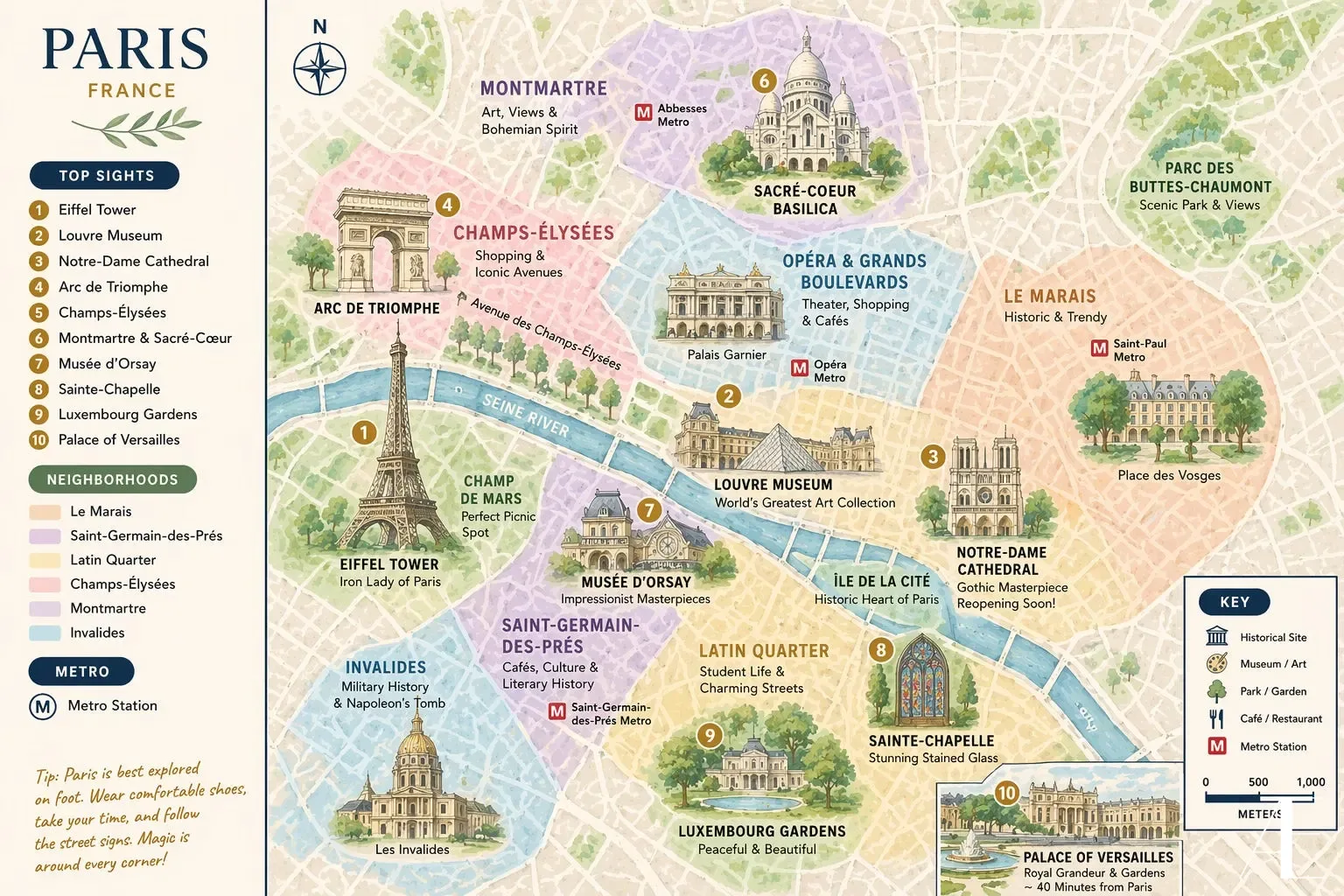
Paris is bisected by the Seine running roughly east to west. Everything is oriented relative to the river: the Rive Droite (Right Bank) to the north, the Rive Gauche (Left Bank) to the south. The 20 arrondissements spiral outward from the Louvre, beginning at the 1st in the geographic centre and moving clockwise. The lower the number, the more central.
The centre of gravity for visitors is a compact rectangle bounded by Étoile / Arc de Triomphe to the west, the Marais / Bastille to the east, Montmartre to the north, and the Latin Quarter / Saint-Germain to the south. Almost all the major monuments, museums, hotels and restaurants worth recommending fall within this rectangle, which a fit walker can cross on foot in under an hour.
The key east-west axis: The Seine itself. The Berges de Seine on the Left Bank and the Quai des Tuileries on the Right Bank are the most beautiful free promenades in any major European capital.
The key north-south axis: From Sacré-Cœur in Montmartre down through Opéra and the Palais Royal, across the Île de la Cité, into the Latin Quarter and the Luxembourg Gardens.
The most useful planning principle: Paris is small enough to walk and dense enough that every arrondissement has its own personality. Plan by Rive Droite or Rive Gauche per day, not by attraction. A day on the Left Bank (Latin Quarter, Saint-Germain, Musée d'Orsay, Luxembourg) is coherent. A day in the Marais and the Île de la Cité is coherent. Trying to combine Montmartre, the Eiffel Tower and the Marais in a single day is a forced march that will exhaust the client and ruin the city for them.
The neighbourhoods agents need to know
The 1st and 2nd: Louvre, Palais Royal, Opéra
The royal and imperial centre: the Louvre, the Tuileries, the Palais Royal, the Place Vendôme, the Opéra Garnier. Grand, monumental, tourist-dense. Right for every first-timer.
The 3rd and 4th: Le Marais
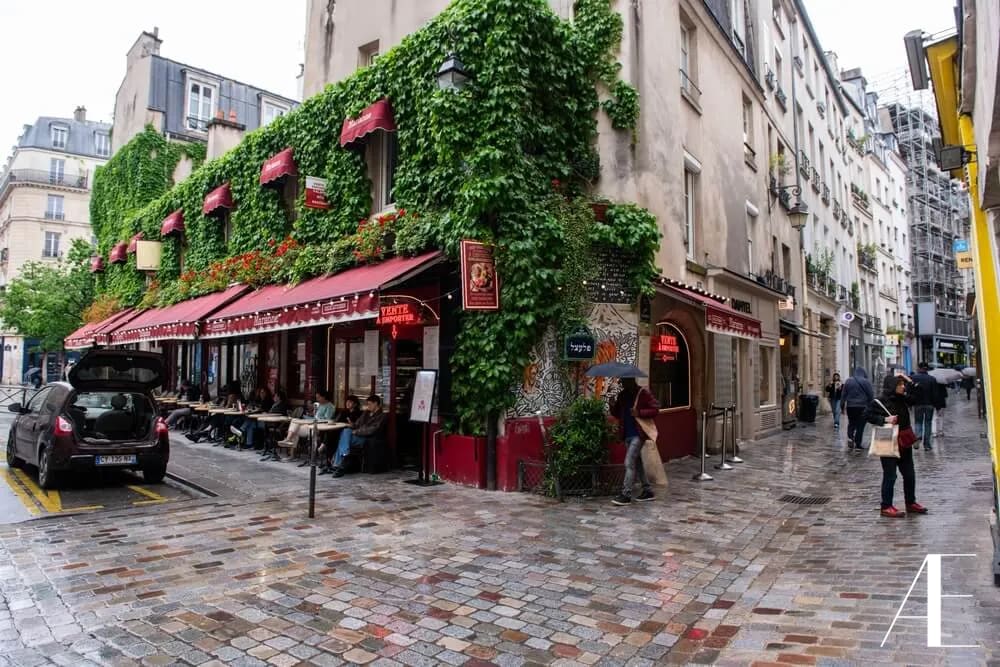
Centuries of Jewish, gay and Bohemian Paris layered over medieval streets. The Place des Vosges (the oldest planned square in Paris, completed 1612), the Musée Picasso, the Musée Carnavalet, falafel on the rue des Rosiers. Right for all clients; exceptional for second-time visitors.
The 5th: the Latin Quarter
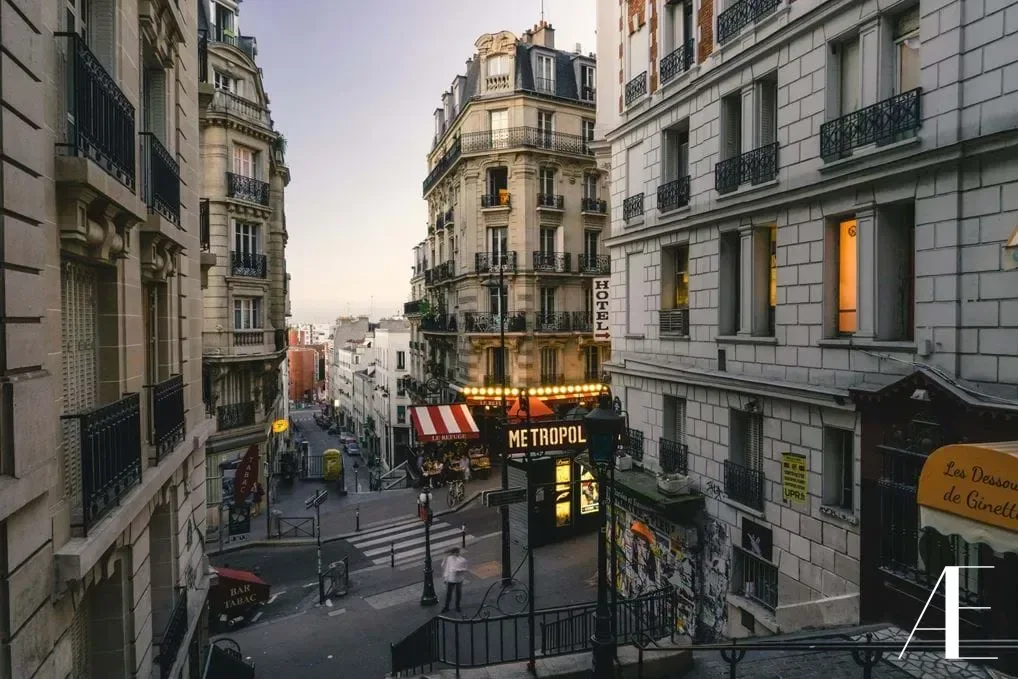
The student quarter since the 13th century. The Panthéon, the Sorbonne, the Jardin des Plantes, Shakespeare and Company. Notre-Dame and Sainte-Chapelle just to the north on the Île de la Cité. Intellectual, walkable, the heart of literary Paris.
The 6th: Saint-Germain-des-Prés
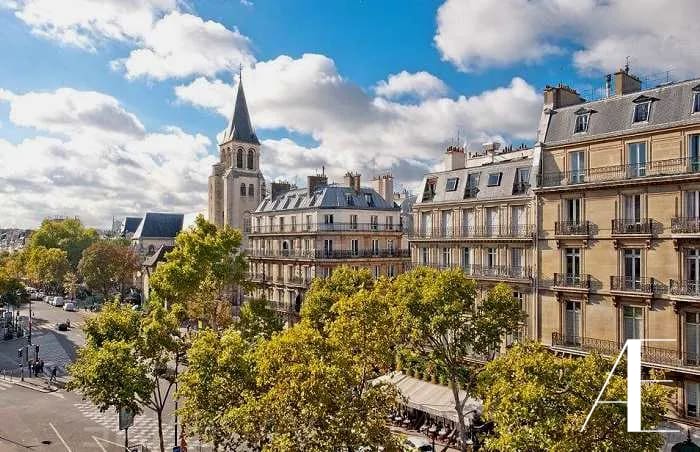
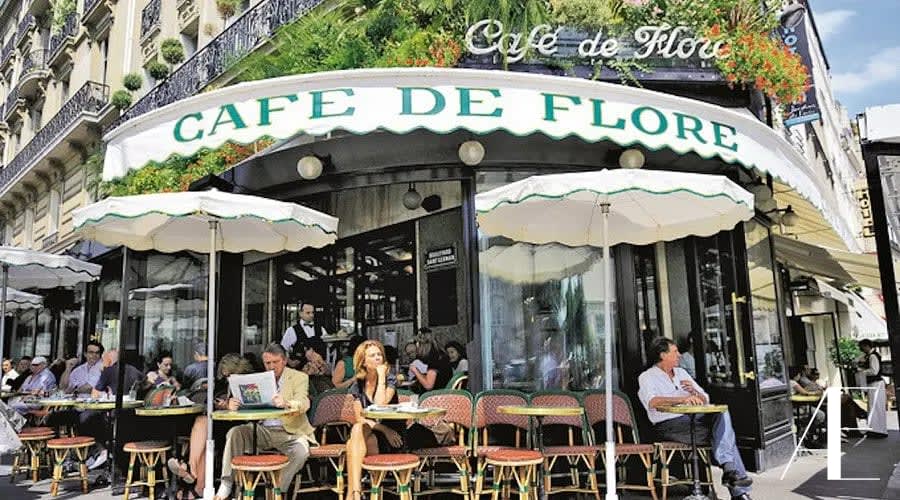
The Left Bank café Paris of the 20th-century imagination. Café de Flore, Les Deux Magots, the Luxembourg Gardens, the great antiquarian booksellers, the Saint-Sulpice church. Refined, expensive, perpetually loved.
The 7th: Eiffel Tower, Orsay, Invalides
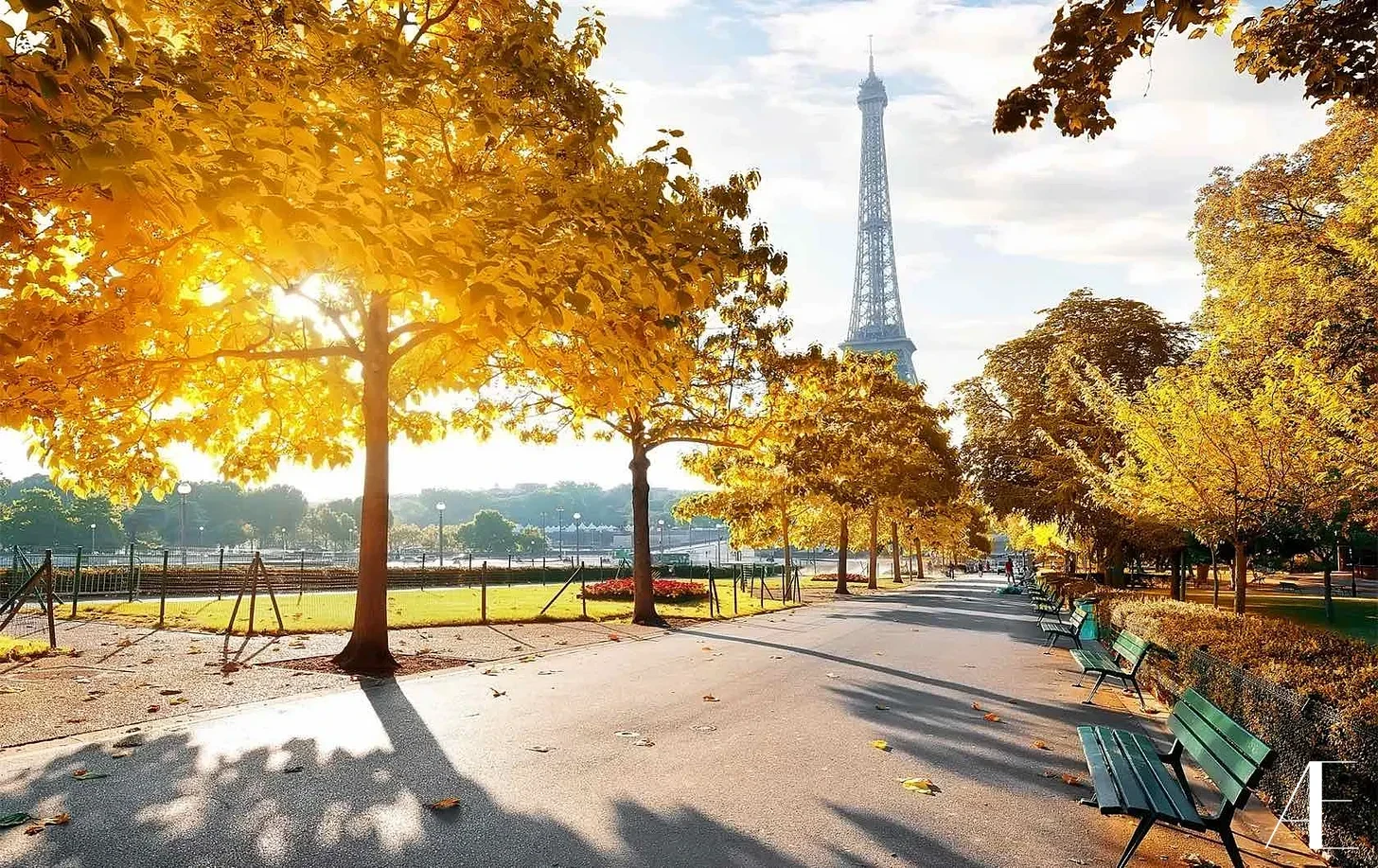
The diplomatic and ceremonial quarter. Eiffel Tower, Musée d'Orsay, Musée Rodin, Les Invalides (Napoleon's tomb), the Champ-de-Mars. Right for all first-timers. The hotel choice for clients who want walking access to the icons.
The 8th: Champs-Élysées, Madeleine, Avenue Montaigne
The luxury triangle. Arc de Triomphe at the top, Place de la Concorde at the bottom, Avenue Montaigne for couture, Place de la Madeleine for the great food halls (Fauchon, Hédiard, Maison Ladurée). Right for luxury clients and any first-timer ticking the iconic monuments.
The 9th: Opéra, SoPi, Pigalle
The Opéra Garnier, the grand magasins (Galeries Lafayette, Printemps Haussmann), and the lively new bistros of South Pigalle ("SoPi"). Right for shoppers and food clients. One of the most underrated central neighbourhoods.
The 10th and 11th: Canal Saint-Martin, Bastille, Oberkampf
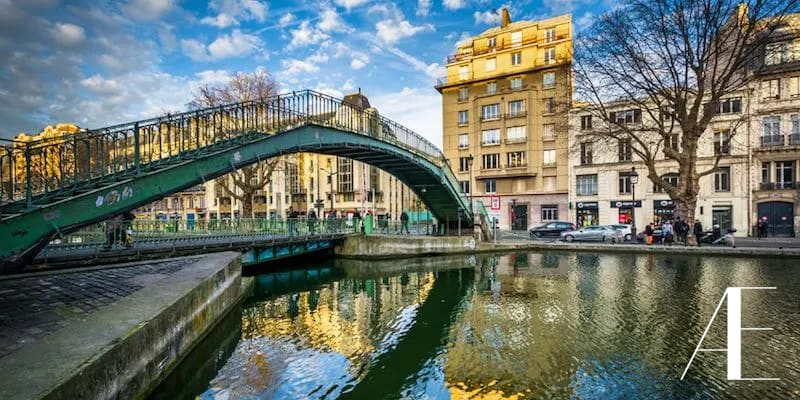
The northern canal and the eastern food belt. Bobo (bourgeois-bohème) cafés, independent shops, picnics on the canal banks, and the most interesting restaurant scene in Paris right now: Septime, Clamato, Bistrot Paul Bert, Le Servan. Right for second-time visitors, foodies, and younger clients.
The 18th: Montmartre
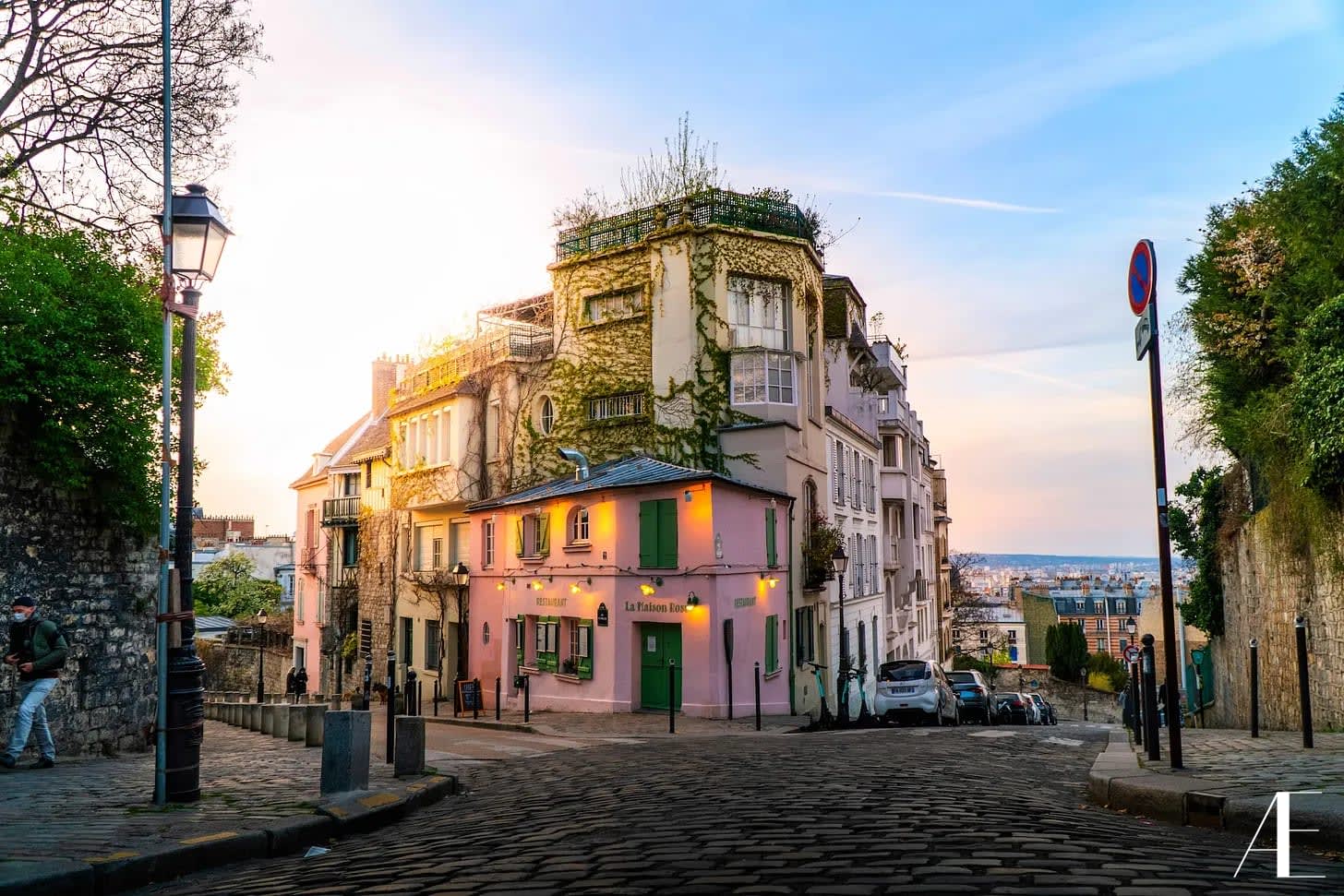
The hilltop village. Sacré-Cœur, Place du Tertre, the staircases and cobbled lanes, the last surviving windmills, Renoir's Bateau-Lavoir. Right for all first-timers — but visit early morning or late afternoon, never at midday.
The 20th: Belleville and Père Lachaise
The east. Père Lachaise cemetery (Jim Morrison, Édith Piaf, Oscar Wilde, Chopin), the Belleville heights with the best skyline view in Paris, the Asian and North African neighbourhoods. Right for repeat visitors and history clients.
The Five Things Every Agent Should Know
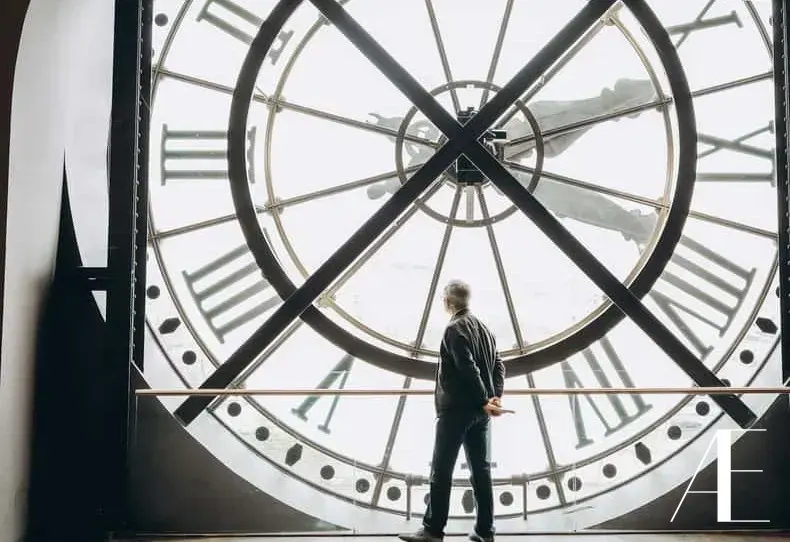
The major museums are not free, but the Paris Museum Pass is brilliant
Unlike London, the great Paris museums charge admission: the Louvre, the Orsay, Versailles, the Pompidou, the Rodin, the Orangerie. The Paris Museum Pass covers entry to more than 50 sites for two, four or six consecutive days and pays for itself by the second major museum. For any client booking three or more paid-entry museums, recommend the pass without exception. Buy online in advance or at the first museum.
Paris is genuinely walkable
The historic city is dense, beautiful and small. The Louvre to the Eiffel Tower is 3 km — about 45 minutes at a pace that lets you enjoy the river along the way. Clients who walk Paris experience the city; clients who Metro between attractions experience attractions. Build walking time into every itinerary.
The Metro is the best in Europe and dirt cheap
Fourteen lines, more than 300 stations, a train every two to three minutes during the day. For most visitors, individual tickets purchased via the Île-de-France Mobilités app on the phone are sufficient. The Navigo Easy card is the better option for clients staying a few days. The Metro is the answer to anything more than 20 minutes' walk.
Versailles is not optional, and not a half-day
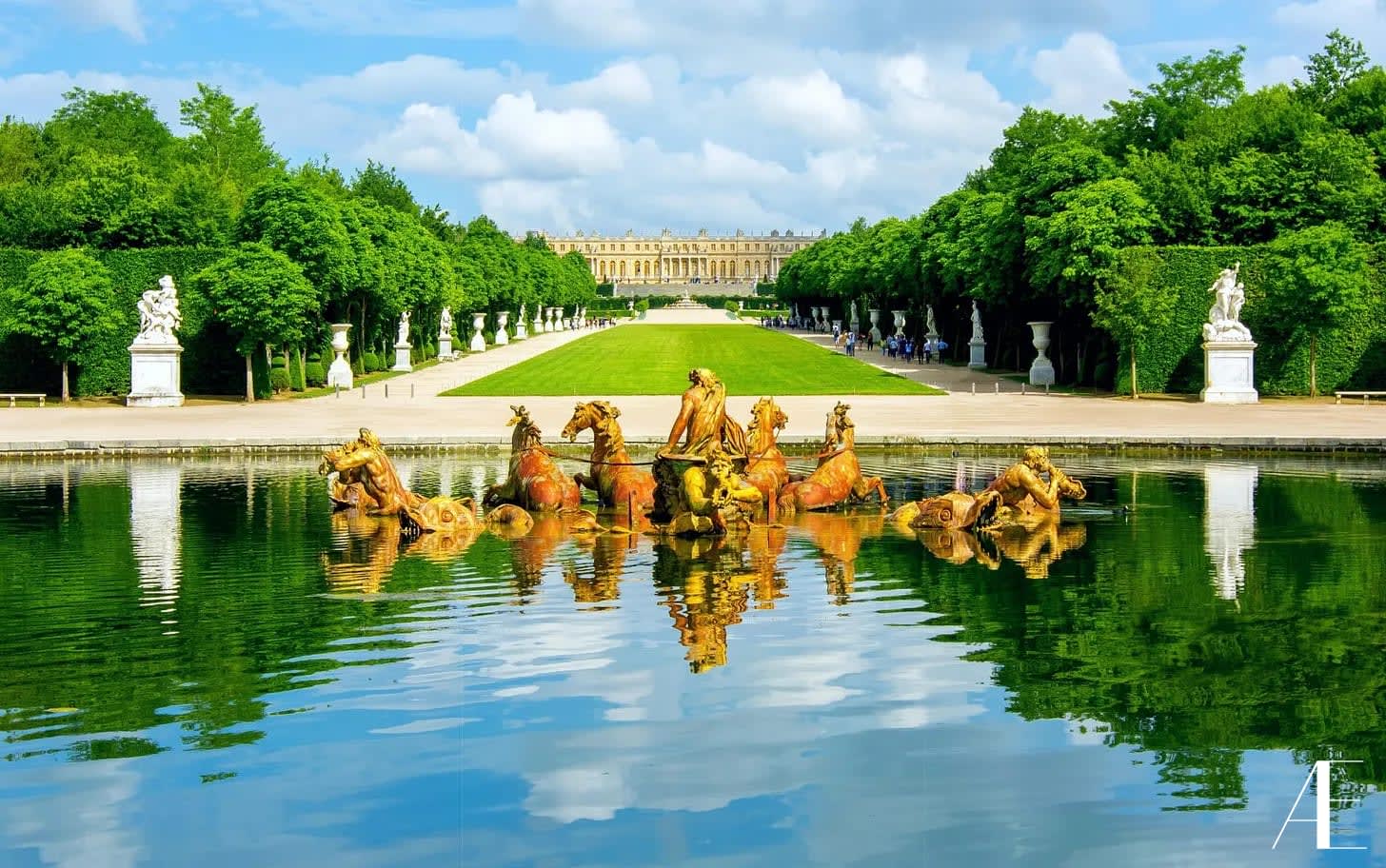
The Château de Versailles is 25 km west of central Paris (45 minutes by RER C, hourly trains). It is not an attraction; it is its own destination. For first-time visitors this is a non-negotiable full day. The gardens alone need two hours. The Hall of Mirrors is unmissable. Always book timed entry online to skip the queue.
Lunch is from 12:00 to 14:00 and dinner is after 19:30
The Parisian restaurant culture runs on French schedule. Most kitchens close from 14:00 to 19:00 and reopen for dinner from 19:30 or 20:00. A 17:00 dinner is not a French dinner. Brasseries (Bouillon Chartier, Brasserie Lipp, Brasserie Bofinger, Brasserie Flo) serve continuously and are the workaround for clients on jet-lagged timing or cruise-ship schedules.
When to Go
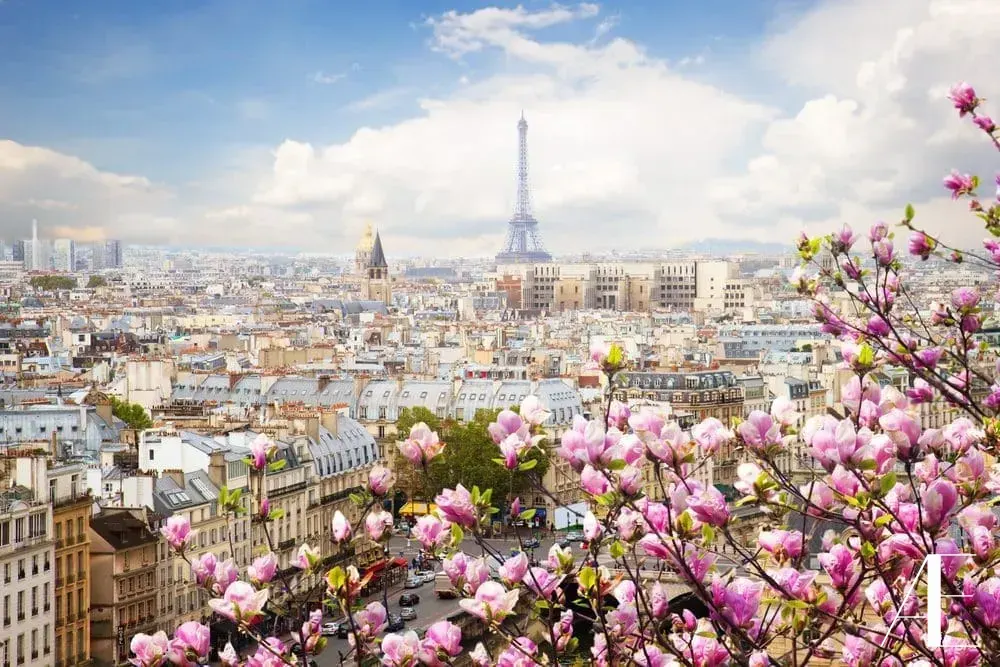
Best months: May, June, September, October. The best balance of weather, daylight, cultural calendar, and manageable crowds. September is particularly strong: the rentrée brings the city back to life, the museums and galleries reopen after August, and tourist crowds drop sharply from the summer peak.
April to early June: Long evenings, parks in full bloom, the terrasses open. May 1 (Labour Day) and May 8 (VE Day) are public holidays — many small shops and some restaurants close. Roland-Garros (the French Open) runs from late May to early June.
July and August: Tourist crowds at peak. August is the Paris paradox: the city empties of Parisians (who go on holiday) and fills with international visitors. Many of the best small restaurants, bakeries and boutiques close for two to four weeks (fermeture annuelle). The major sites and museums are crowded. The trade-off is light traffic, generous hotel availability, and a city that feels strangely calm. Acceptable for clients who know what they are choosing.
September to mid-October: The finest single period of the year. Mild weather, the full cultural calendar in operation, manageable crowds at the major sites.
November to February: The lowest hotel prices of the year, outside the Christmas/New Year window. Christmas lights from late November (Champs-Élysées, Galeries Lafayette, Rue Royale), the Christmas markets (Tuileries and Notre-Dame), and serious art and theatre programming throughout. Grey skies are real, but for cultural visitors the off-season is when Paris is at its most rewarding.
How Many Days
2 days (absolute minimum): The Eiffel Tower, the Louvre, a Seine walk. Clients leave with the postcards but not the city.
3 days (the standard short stay): Adds Notre-Dame and the Île de la Cité, Saint-Germain, an evening on the Champs-Élysées. Covers iconic Paris but feels rushed. Useful as a Eurostar add-on from London or as a stopover.
4 to 5 days (the ideal first visit): Adds Versailles (a full day), the Marais, Montmartre at dawn or dusk, the Musée d'Orsay, and unstructured walking time. This is the right recommendation for a first-time visitor who wants to actually experience Paris rather than tick it off.
7 days: Adds Père Lachaise, the Orangerie, the Marmottan, a day trip (Giverny, Champagne or Chartres), and the neighbourhoods the first trip skipped — Canal Saint-Martin, Belleville, the Coulée Verte. Paris starts to feel like a city to inhabit.
10+ days: Paris as a base. Day trips to Giverny, Reims (Champagne), Chartres, Fontainebleau, or further (Mont Saint-Michel, the Loire Valley). For repeat visitors, ten days is the proper structure: a settled hotel, a daily café, a neighbourhood that becomes "yours," and one or two excursions per week.
The rule: Two days is a stopover. Three days is a compressed introduction. Four to five days is the strongest recommendation for a first visit. A week is where Paris becomes genuinely understood. Two weeks is when clients return home talking about moving there.
The Must-Knows for Selling It
For the first-time European client: Paris is one of the two natural first European destinations (the other is London). Lead with the walkability, the density of unmissable sights, the food, and the romance. Five days minimum. Always pair with a Versailles day.
For the romance and honeymoon client: Paris is the single most-sold romantic destination in the world for a reason. Lead with river walks at dusk, small bistros, a Seine cruise on the Bateaux-Mouches at golden hour, a stay at the Crillon or the Plaza Athénée. Less is more — do not over-program the itinerary.
For the food client: Paris is structural French cooking at its source. Lead with the boulangeries (Du Pain et des Idées, Poilâne, Cyril Lignac), the markets (Marché Bastille on Sundays, Marché des Enfants Rouges in the Marais), and the bistro renaissance (Septime, Clamato, Le Comptoir du Relais, Bistrot Paul Bert). For the serious food client add a multi-Michelin dinner: L'Ambroisie, Plénitude, Arpège, Pierre Gagnaire, Guy Savoy, Le Cinq.
For the art and culture client: This is one of Paris's deepest strengths. The Louvre alone is a full day. The Musée d'Orsay is the greatest concentration of Impressionist painting on earth. The Orangerie's Water Lilies room is one of the great experiences in 20th-century art. Add the Rodin, the Marmottan, the Picasso Museum, the Pompidou. Five to seven days minimum.
For the luxury client: Paris has the deepest concentration of palace hotels in the world: the Ritz, the Crillon, Le Bristol, the Plaza Athénée, the Four Seasons George V, Le Meurice, the Mandarin Oriental. Add a private guided Louvre tour before opening hours, a couture appointment on the Avenue Montaigne, dinner at L'Ambroisie or Plénitude, a Champagne day trip to Reims. Five to seven nights.
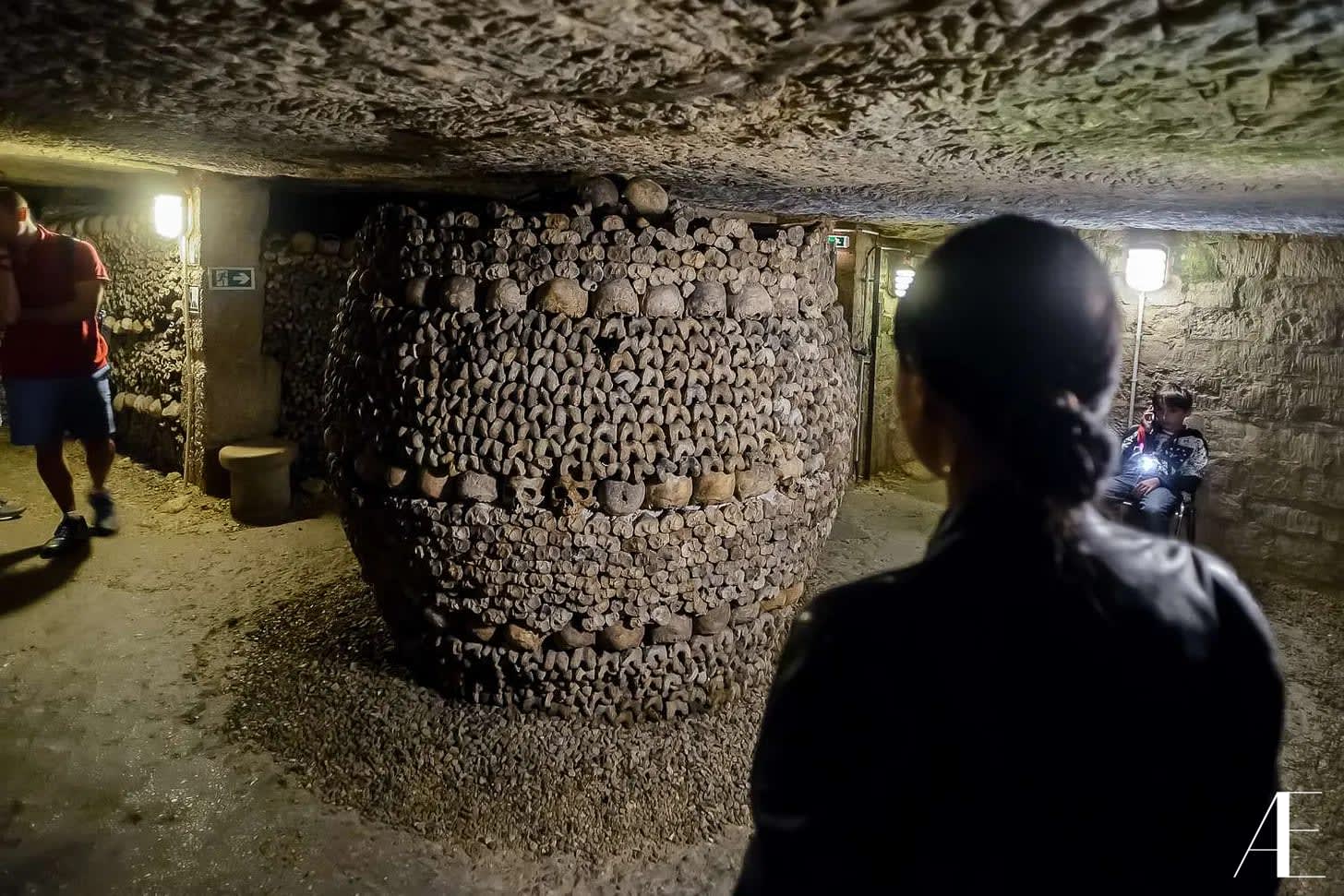
For the family: Versailles for the spectacle, the Eiffel Tower for the climb, the Jardin du Luxembourg for the wooden sailboats on the pond, the Jardin d'Acclimatation for younger children, the Catacombs for the older ones. Disneyland Paris for one full day if the children are the right age. Hotels in the 6th or 7th arrondissement for walking access and child-friendly cafés.
For the cruise client: Two completely different scenarios — see Paris: The Cruise Connection. Ocean cruise calls almost always dock at Le Havre, 2 to 2.5 hours from Paris by road; ship-arranged Paris excursions are punishing day trips. Seine river cruises embark in Paris itself and treat the city as the centrepiece. Always confirm which.
For the "I've already been to Paris" client: "You've seen the headline Paris. Now let's show you the real one: the Marché des Enfants Rouges on a Sunday morning, the Marmottan instead of the Orsay, a Friday evening at Septime, a Sunday walk along the Coulée Verte, breakfast at Du Pain et des Idées, dinner in a twelve-seat neo-bistro in the 11th, the Promenade Plantée in autumn. This is a different city."
One Conversation Starter
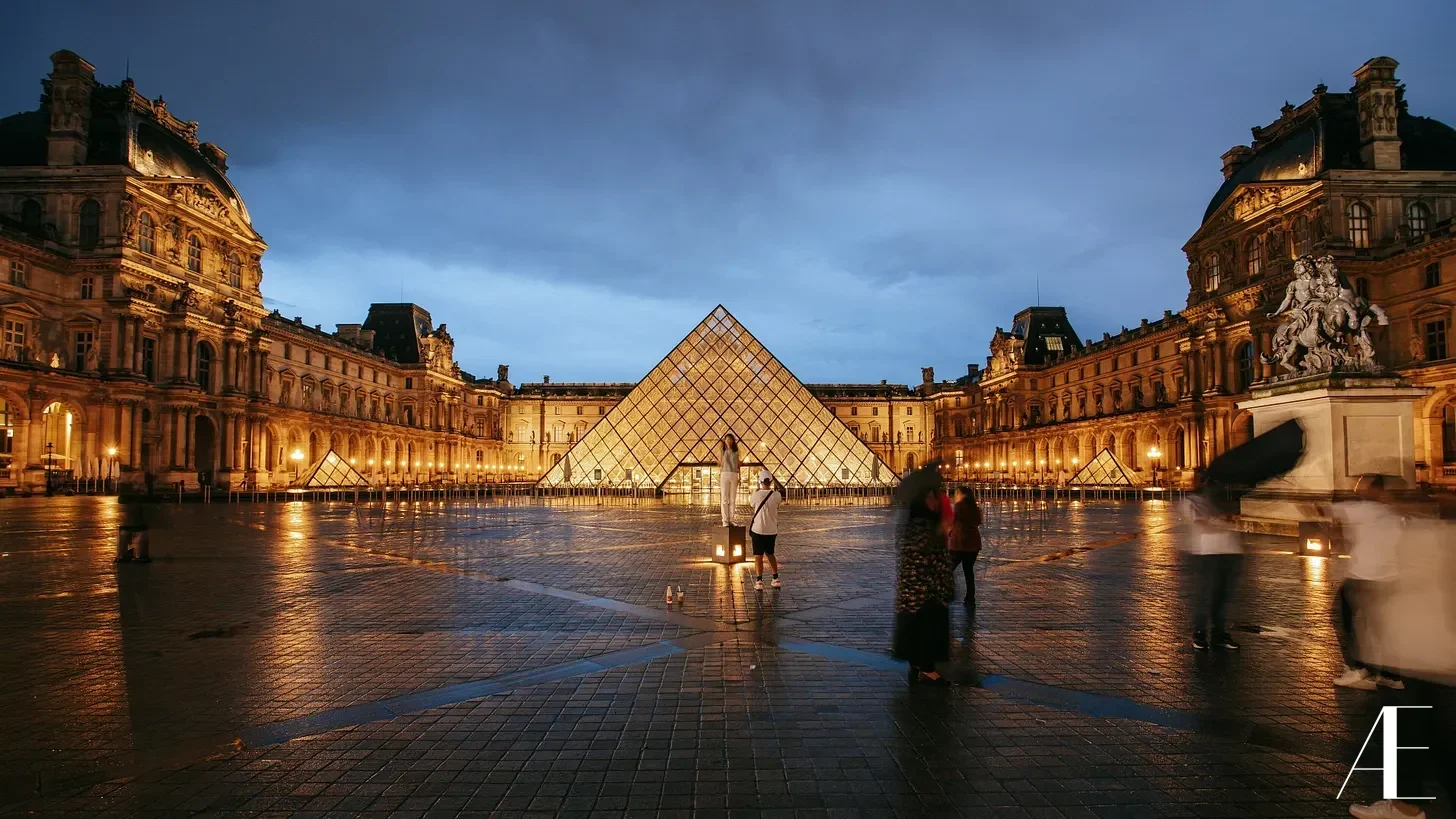
The glass pyramid at the entrance to the Louvre, designed by I.M. Pei and completed in 1989, contains exactly 673 glass panes — 603 rhombi and 70 triangles. A persistent legend (popularised by The Da Vinci Code) claims the figure is 666, but the actual count is 673 and has been since the day the pyramid opened. President Mitterrand approved Pei's design over fierce public protest in 1984; it is now one of the most photographed buildings in the world, and the entire stainless-steel substructure weighs only 95 tons.
Clients always check the number. It takes ten seconds to explain and they remember it for the rest of the trip.
Learn More
For the complete Paris guide covering full history, all attractions with practical details, restaurants, hotels, seasonal breakdown, day trips, client objections and curiosities, see Paris: The Complete Agent's Guide in the Academy.
For port-by-port cruise details, the Le Havre transfer, Seine river cruise logistics, and what is realistic in a Paris port call, see Paris: The Cruise Connection.
For ready-to-use responses to every common client objection and the exact language to move hesitant clients from interest to booking, see Paris: The Pitch to Close Deals.


Member discussion